
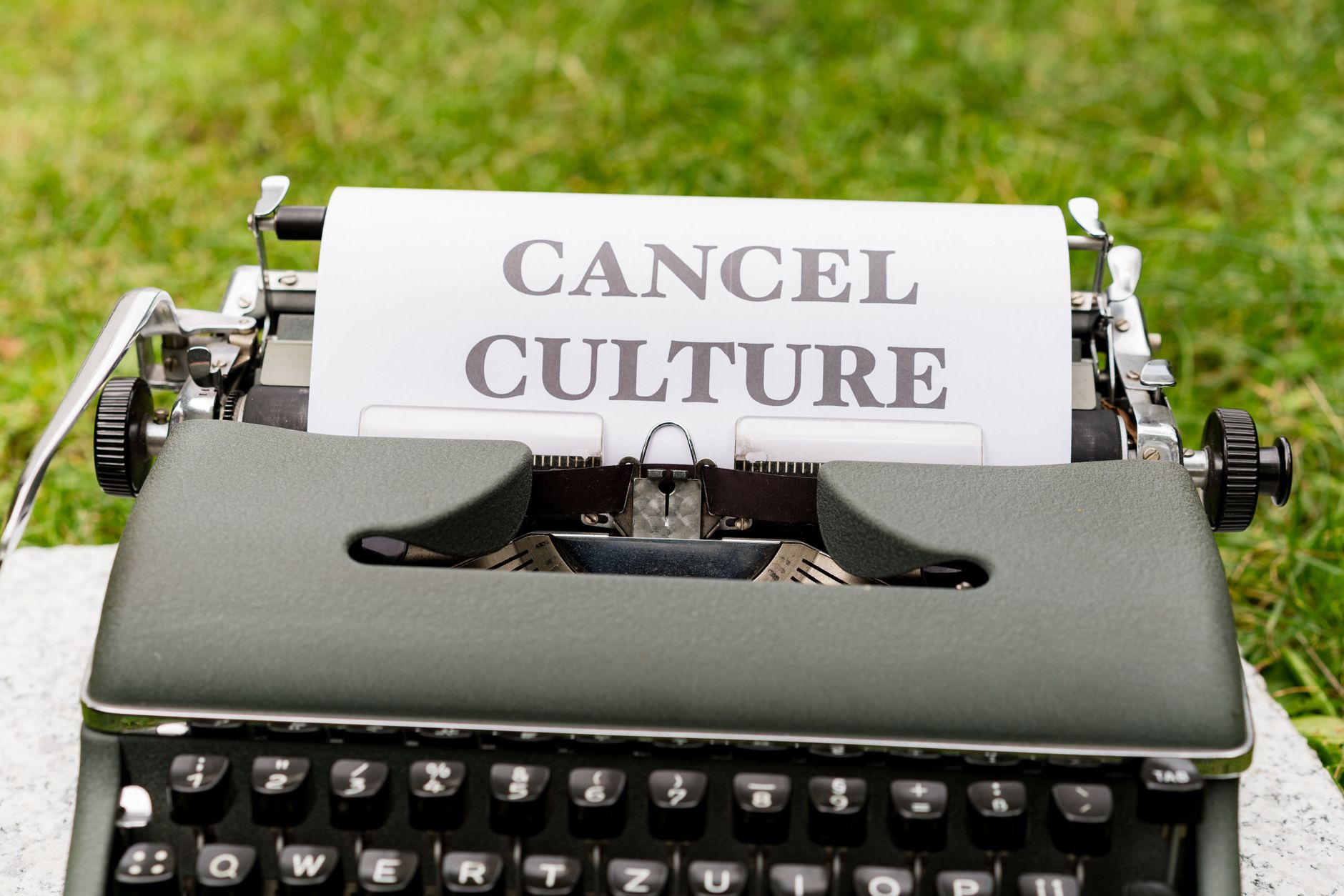
Trump coverage boycott is a significant development in U.S. media. Major networks have decided to halt coverage of the former president in response to his White House ban, raising questions about journalistic integrity and public trust.
Background on the Boycott
The recent decision by major US networks to implement a Trump coverage boycott marks a significant turning point in political journalism. This move comes in response to the White House’s ban on certain media outlets, which has raised concerns about press freedom and transparency.
As networks withdraw from covering Trump, they aim to send a message about the importance of fair and unbiased reporting. However, this boycott has sparked debate among journalists and media analysts alike regarding its potential consequences for public trust in the media.
- Increased Polarization: Critics argue that the boycott may further divide audiences and entrench existing biases.
- Impact on Viewership: Some analysts believe that this strategy could lead to a decline in viewership for the networks involved.
- Trust Issues: The Trump coverage boycott raises questions about how the public perceives media integrity in times of political turmoil.
Ultimately, the implications of this boycott will unfold over time, affecting both media practices and public perception.
Implications for Media
The recent Trump coverage boycott by major US networks has raised significant implications for media trust among the public. As news outlets choose to limit their coverage of the former President, questions arise regarding the transparency and accountability of media organizations.
Several key factors contribute to the evolving landscape of trust in the media:
- Perception of Bias: The boycott may reinforce perceptions that media outlets are politically biased, as audiences may feel that their coverage decisions are influenced by political agendas.
- Information Access: With limited coverage of a prominent political figure, audiences may struggle to access a well-rounded view of current events, impacting their understanding of key issues.
- Public Engagement: This decision could lead to decreased public engagement with traditional news sources, as people turn to alternative platforms for information.
As the boycott continues, its long-term effects on media credibility and audience trust will become increasingly evident.
Public Reaction to the Ban
The recent decision by major US networks to implement a Trump coverage boycott has sparked significant public reaction. Many viewers have taken to social media to express their opinions on the boycott and its implications for journalism.
Among the key reactions, several themes have emerged:
- Support for the Boycott: Some individuals believe that the boycott is a necessary stand against what they perceive as the unfair treatment of the media by Trump’s administration.
- Concerns Over Transparency: Critics argue that the ban could lead to a lack of transparency and accountability, potentially undermining the public’s right to know.
- Impact on Trust: Many respondents worry that the boycott may further erode trust in media outlets, making it difficult for audiences to discern credible news from sensationalism.
As the situation evolves, it remains to be seen how this boycott will shape public perceptions of media integrity and reliability.
Historical Context of Coverage
The historical context of media coverage surrounding political figures has evolved significantly over the years. In the past, the media often faced criticism for its perceived favoritism or bias, leading to calls for more balanced reporting. The recent Trump coverage boycott is reminiscent of earlier media boycotts that aimed to challenge political narratives and protect journalistic integrity.
During the late 20th century, various news outlets faced backlash for their handling of controversial figures, resulting in temporary coverage restrictions. These instances highlighted the tension between media responsibility and political power. Today, the landscape is further complicated by social media, where misinformation can spread rapidly, influencing public perception.
As networks collectively decided to implement a boycott against covering Trump, it marked a pivotal moment in media history. This decision reflects a growing frustration with the administration’s attempts to control the narrative and poses questions about the future of journalistic practices in a polarized environment.
Future of Political Reporting
The future of political reporting is at a crossroads, largely influenced by the ongoing Trump coverage boycott. As news organizations reevaluate their strategies in light of the current media landscape, several trends are beginning to emerge.
First, there is a growing emphasis on transparency and accountability. News outlets are increasingly aware that their audiences demand not only information but also a clear understanding of how that information is reported. This shift could lead to more in-depth explanations of editorial choices, particularly regarding coverage of contentious figures like Trump.
Additionally, the boycott may encourage media outlets to diversify their sources and stories, focusing more on local and grassroots narratives that resonate with the public. This could foster a broader understanding of political issues beyond the polarized national dialogue.
Finally, as trust in media continues to wane, journalists face the challenge of rebuilding credibility through responsible reporting and an unwavering commitment to factual accuracy.
Analysis of Media Ethics
The recent Trump coverage boycott by major US networks raises significant ethical questions regarding media responsibility. As journalists grapple with their role in democracy, the implications of this boycott extend beyond mere reporting. It challenges the traditional tenets of journalism, which prioritize the dissemination of information, even when that information is controversial or unwelcome.
Some argue that boycotting coverage can lead to a dangerous precedent, where the media selectively chooses what narratives to amplify. This could erode public trust, leaving citizens ill-informed about key political events. Others contend that refusing to cover certain figures may be a stand against misinformation and divisive rhetoric, aligning with ethical journalism principles.
The balance between ethical responsibility and the obligation to report is delicate. As the media landscape evolves, it is crucial for outlets to reflect on their practices and the potential consequences of actions like the Trump coverage boycott. Ultimately, maintaining transparency and accountability is vital to restoring and preserving trust with the public.
The Trump coverage boycott has led to a noticeable decline in audience engagement among major news outlets. As trust in media wanes, the implications of the Trump coverage boycott extend far beyond just political reporting.
Photo by Markus Winkler on Pexels
Sources
Related stories
India’s Schedule At Asian Games: Best Proven Highlights · Odisha Voter List 2026: The Proven Guide to Elector Insights · Tommy Hilfiger D2C expansion: Best Proven Strategies