
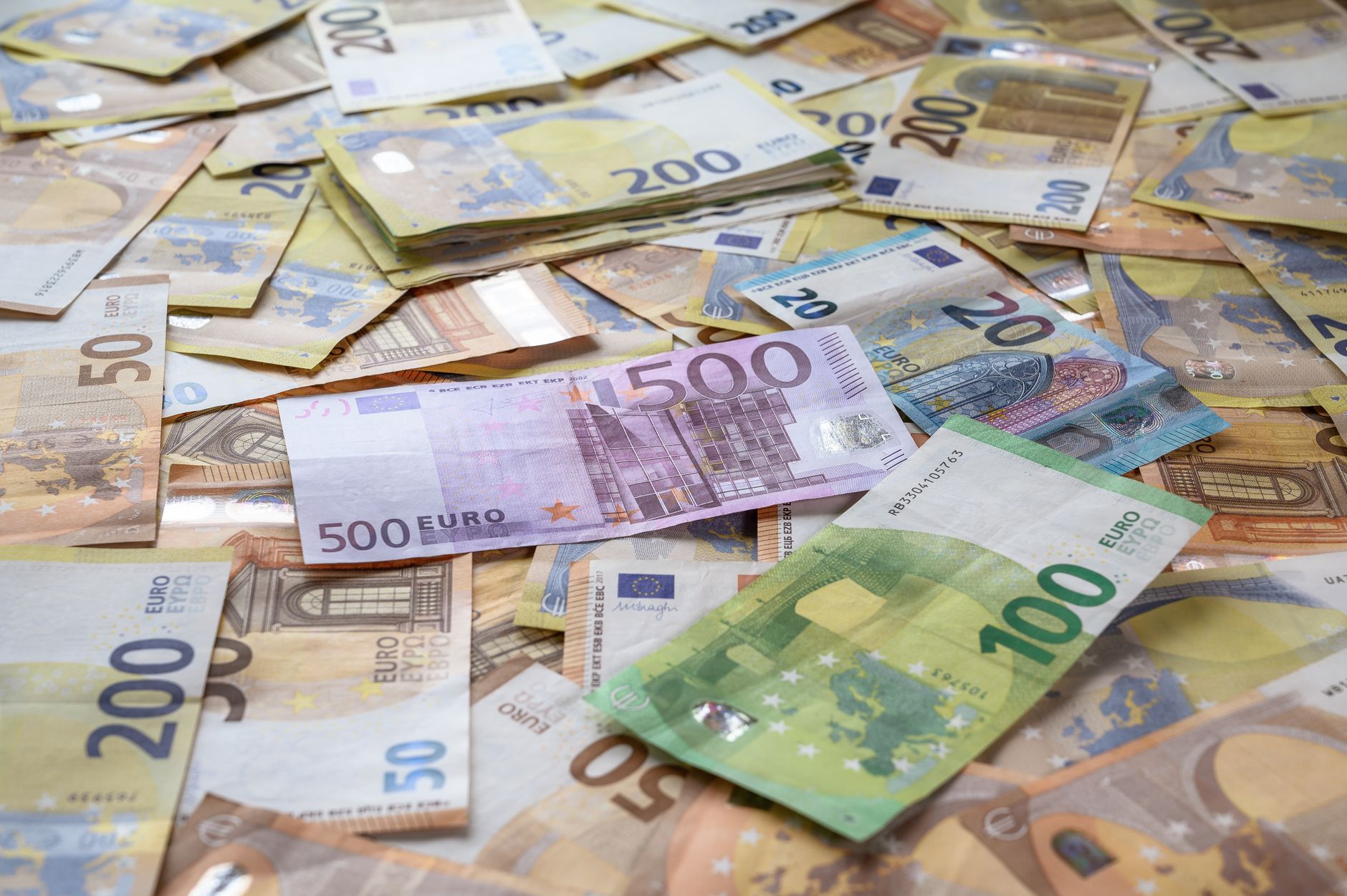
The European Union carbon tax is a significant policy reshaping trade relations globally. Experts explain how this tax works and why BRICS nations are pushing back against it.
Understanding the European Union Carbon Tax
The European Union carbon tax is designed to reduce greenhouse gas emissions by imposing a price on carbon emissions from various sectors, including energy and transportation. This tax aims to incentivize businesses and consumers to adopt more sustainable practices.
Under this system, companies must purchase carbon credits for their emissions, promoting a shift towards greener alternatives. The revenue generated from the carbon tax is often reinvested into renewable energy projects and climate adaptation efforts.
However, the implementation of the European Union carbon tax has faced pushback from BRICS nations, which argue that it disproportionately affects developing economies. Key concerns include:
- Economic Impact: Potential job losses in carbon-intensive industries.
- Trade Barriers: Increased costs for imports from BRICS countries.
- Equity Issues: The need for a balanced approach to climate action.
Why BRICS Nations Oppose the Carbon Tax
The introduction of the European Union carbon tax has sparked significant opposition from BRICS nations. These countries argue that the tax disproportionately affects their economies and hinders their development goals. Many BRICS leaders emphasize the following reasons for their resistance:
- Economic Impact: The carbon tax may increase costs for industries heavily reliant on fossil fuels, which are vital for BRICS economies.
- Equity Concerns: Developing nations believe that the tax ignores historical emissions and the current economic disparities between developed and developing countries.
- Trade Implications: There are fears that the carbon tax could lead to trade barriers, affecting exports from BRICS nations to the EU.
- Alternative Solutions: BRICS advocates for collaborative approaches to combat climate change that do not penalize developing economies.
These concerns highlight the complexities of global climate policies and the need for inclusive dialogue.
Key Features of the EU Carbon Tax
The European Union carbon tax is designed to promote sustainability and reduce greenhouse gas emissions across member states. Here are some key features:
- Objective: The primary aim is to incentivize businesses to adopt greener practices by imposing a financial penalty on carbon emissions.
- Scope: The tax applies to a wide range of sectors, including energy, transportation, and manufacturing, impacting both domestic and imported goods.
- Revenue Generation: Funds collected from the tax are expected to be reinvested in renewable energy projects and climate initiatives.
- Carbon Border Adjustment Mechanism: This feature is designed to level the playing field for EU companies by taxing imports based on their carbon footprint.
Despite its intentions, the European Union carbon tax has faced significant opposition from BRICS nations, who argue it could hinder their economic growth.
Global Reactions to the EU’s Carbon Policy
The European Union’s carbon tax has sparked significant global reactions, particularly among the BRICS nations. These countries, which include Brazil, Russia, India, China, and South Africa, are voicing their concerns about the potential economic impacts of the tax. Experts argue that the European Union carbon tax could lead to increased costs for imports from these nations, potentially disrupting trade relations.
Several BRICS leaders have stated that the tax unfairly targets developing economies, placing them at a disadvantage in the global market. They emphasize the need for a more equitable approach that considers the differing capabilities and responsibilities of nations regarding carbon emissions.
Furthermore, some nations are exploring alternative strategies to counteract the effects of the EU’s policy, including seeking new trade partnerships and investing in cleaner technologies to reduce their carbon footprints.
Impact on International Trade
The introduction of the European Union carbon tax is set to reshape international trade dynamics, particularly for BRICS nations. As these countries heavily rely on fossil fuels and carbon-intensive industries, the tax could impose significant financial burdens.
Key impacts on international trade include:
- Increased Costs: BRICS exporters may face higher tariffs, making their products less competitive in EU markets.
- Supply Chain Disruptions: Compliance with EU carbon regulations could lead to shifts in supply chains, affecting production processes.
- Investment Shifts: Investors may reconsider funding projects in BRICS countries due to the anticipated costs associated with the European Union carbon tax.
As a result, BRICS nations are advocating for adjustments to the EU’s policy to safeguard their economic interests while navigating the implications of this new tax.
Future of Climate Policies in the EU
The future of climate policies in the European Union is poised for significant evolution, particularly in light of the implementation of the European Union carbon tax. As member states strive to meet ambitious climate goals, the tax is expected to drive changes in emissions reduction strategies and energy consumption patterns.
Experts predict that the EU will continue to refine its carbon pricing mechanisms to enhance environmental effectiveness while addressing concerns from global partners, especially BRICS nations. The following elements are likely to shape future climate policies:
- Increased investment in renewable energy to meet carbon reduction targets.
- Enhanced regulatory frameworks to support innovation in green technologies.
- Stricter emissions standards for industries heavily reliant on fossil fuels.
- Collaboration with international partners to promote a global carbon market.
These developments could redefine the EU’s approach to climate action, balancing economic interests with environmental responsibilities.
Photo by Willfried Wende on Pexels