
Farm Bill action is urgently needed as the NCGA responds to the latest WASDE report and a significant drop in corn prices.
Understanding the WASDE Report
The World Agricultural Supply and Demand Estimates (WASDE) report plays a crucial role in shaping agricultural policy and market expectations. It provides forecasts for crop production, supply, and demand, which are essential for farmers and stakeholders in the agricultural sector. Recent data from the WASDE report indicates a significant decline in corn prices, raising concerns among farmers and industry leaders.
The National Corn Growers Association (NCGA) has responded decisively to these developments, urging for immediate Farm Bill action. They emphasize that the current economic climate, exacerbated by the decline in corn prices, necessitates a reevaluation of policies that support farmers and ensure their livelihoods.
Key points highlighted by the NCGA include:
- The need for increased support for crop insurance programs.
- Advocacy for legislative measures that promote the use of E15 fuel.
- Calls for a more robust safety net for farmers facing volatile market conditions.
As the agricultural community navigates these challenges, the NCGA’s push for Farm Bill action reflects a growing urgency to protect the interests of corn producers nationwide.
Impact of Corn Price Drop
The recent drop in corn prices has raised significant concerns among farmers and agricultural stakeholders. As outlined by the National Corn Growers Association (NCGA), this sharp decline can have far-reaching implications on the farming sector.
Farm Bill action is urgently needed to address these challenges and support corn growers facing financial instability. The following points highlight the potential impacts of the price drop:
- Reduced Income: Many farmers rely heavily on corn sales for their livelihood, and falling prices directly affect their revenue.
- Budget Constraints: Lower incomes may lead to tighter budgets, restricting farmers’ ability to invest in necessary resources for the upcoming planting season.
- Market Volatility: The instability in corn prices can discourage long-term planning and investment in agricultural advancements.
- Policy Support: There is a pressing need for legislative support to stabilize the market and provide safety nets for growers.
As the NCGA emphasizes, timely Farm Bill action is essential to ensure the sustainability of corn farming and the broader agricultural economy.
NCGA’s Response to E15 Legislation
The National Corn Growers Association (NCGA) has expressed strong support for the recent legislative efforts surrounding E15 fuel. In light of the ongoing challenges highlighted in the WASDE report and the recent drop in corn prices, the NCGA is advocating for decisive Farm Bill action that prioritizes renewable fuel initiatives.
According to NCGA President, Chris Edgington, the association believes that expanding access to E15 is crucial for both farmers and consumers. He stated, “We need to ensure that farmers receive the support they require, and expanding E15 is a vital step in that direction.” This sentiment reflects the urgency felt by many in the agriculture sector as they navigate fluctuating market conditions.
Furthermore, the NCGA emphasizes that the Farm Bill action is essential not only for economic stability but also for promoting environmental sustainability. The association is calling on lawmakers to prioritize provisions that support biofuels, which can help reduce greenhouse gas emissions while providing a robust market for corn producers.
As the legislative process unfolds, the NCGA remains vigilant in advocating for policies that benefit farmers and the economy.
Why Farm Bill Action is Necessary
The current agricultural landscape is facing significant challenges, making Farm Bill action more necessary than ever. Farmers are grappling with fluctuating commodity prices, unpredictable weather patterns, and increasing input costs. These factors threaten the sustainability of farms across the nation.
Moreover, the recent WASDE report highlighted a concerning trend in corn prices, leading to uncertainty for corn producers. As a staple crop, corn serves as a foundation for various agricultural sectors, and its decline impacts not just farmers but the entire economy. The National Corn Growers Association (NCGA) emphasizes that timely legislative action is crucial in addressing these pressing issues.
In addition to price volatility, the ongoing debates around E15 legislation illustrate the urgent need for a comprehensive Farm Bill. Farmers require clear guidelines and support to navigate the complexities of biofuels and renewable energy. Without decisive Farm Bill action, the future of farming remains precarious, placing the livelihoods of many at risk.
As stakeholders in the agricultural sector come together, the call for reform is louder than ever, highlighting the need for a robust and responsive Farm Bill.
Future of Agriculture Policy
The future of agriculture policy hinges on the timely Farm Bill action needed to address the challenges faced by farmers across the nation. As the agricultural landscape continues to evolve, it is crucial for policymakers to consider the needs of all stakeholders involved in the farming community.
In light of recent developments, farmers are calling for comprehensive reforms that address not only immediate financial pressures but also long-term sustainability. The National Corn Growers Association (NCGA) emphasizes the importance of incorporating innovative practices and technology in agriculture policy to ensure productivity and resilience against market fluctuations.
Key areas for consideration include:
- Support for crop insurance programs to mitigate risks associated with unpredictable weather patterns.
- Investment in research and development to foster advancements in agricultural technology and practices.
- Promotion of sustainable farming methods that align with environmental goals and economic viability.
As stakeholders advocate for these changes, the call for decisive Farm Bill action has never been more critical to secure the future of farming in America.
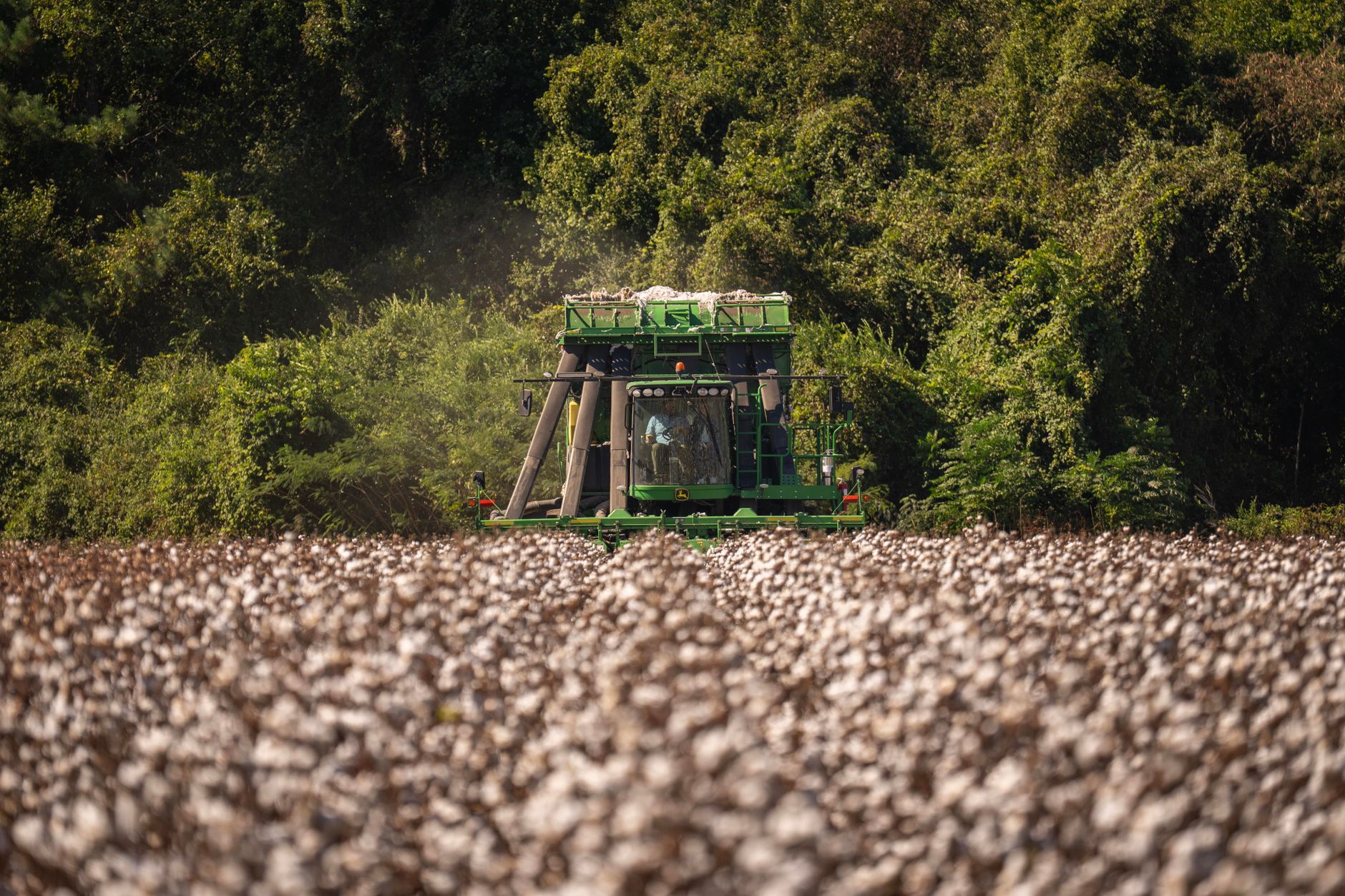
Photo by Mark Stebnicki on Pexels