
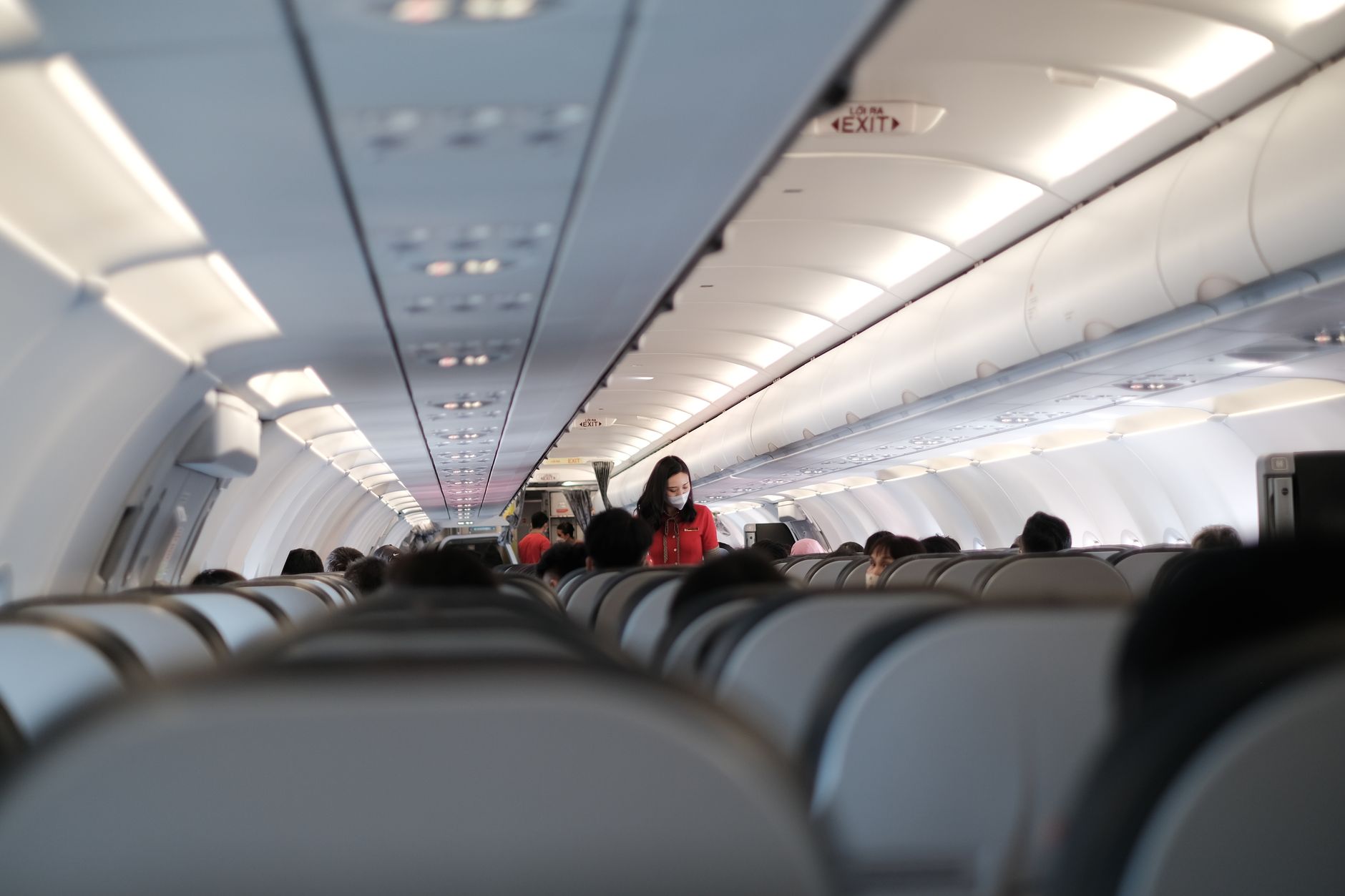
Air France crew restrictions have emerged following a flydubai incident, leading to a ban on Pakistani and Muslim-majority crew members. This decision has sparked debates about discrimination in the aviation sector.
Overview of Air France’s New Policies
Air France has recently implemented new crew restrictions that have sparked significant debate within the aviation community. In a move following the recent flydubai incident, the airline has adopted policies similar to those enforced by Israeli carriers, which specifically target crew members based on their nationality and religion. This decision has raised concerns about the implications for safety and discrimination in the airline industry.
Key aspects of Air France’s new policies include:
- Prohibition of Pakistani nationals and crew from Muslim-majority countries.
- Heightened scrutiny of crew members based on nationality and perceived risk factors.
- Potential impact on crew diversity and morale.
Critics argue that these restrictions could undermine the principles of equality and fairness, while supporters claim they are necessary for security reasons. As Air France navigates these complex issues, the long-term effects of such crew restrictions remain to be seen.
Impact of Flydubai Incident
The recent incident involving Flydubai has prompted Air France to impose new crew restrictions, raising concerns about safety and discrimination in the aviation industry. Following the events in Israel, Air France has decided to ban Pakistani and Muslim-majority crew members, citing security risks as the primary reason.
This decision has sparked widespread debate among industry experts and human rights advocates. Critics argue that these crew restrictions are not grounded in factual evidence and could lead to increased prejudice against certain ethnic groups. The implications of such policies extend beyond safety, potentially affecting the morale and diversity of the airline’s workforce.
In an increasingly globalized world, fostering an inclusive environment within airlines is crucial. The move by Air France may inadvertently send a message that the airline prioritizes perceived security over the principles of equality and fairness. Stakeholders are concerned that this could set a dangerous precedent for other airlines, further entrenching discrimination under the guise of safety.
Reactions from Affected Crew Members
Reactions from affected crew members regarding Air France crew restrictions have been overwhelmingly negative. Many express feelings of disappointment and frustration over the new policies that seemingly target specific nationalities and religions. A flight attendant, who wished to remain anonymous, stated, “These restrictions not only impact our jobs but also create an atmosphere of division among crew members.”
Others have voiced concerns about the implications for safety and inclusivity. A pilot remarked, “By banning certain crew members based on nationality, Air France is sending a message that we are not all equal in our roles. This is not just about safety; it’s about respect and unity.”
- “This policy feels like a step backward in our fight for equality,” said another crew member.
- “We should be judged on our skills, not our backgrounds,” added a cabin crew member.
The widespread discontent highlights a growing push for reassessment of these policies from within the airline.
Industry Response to Discrimination Claims
The recent decision by Air France to impose crew restrictions has sparked significant backlash across the aviation industry. Critics argue that these restrictions are discriminatory and undermine the values of equality and fairness in the workplace. Industry leaders and human rights organizations have voiced their concerns, stating that such policies could lead to a culture of exclusion rather than inclusivity.
Many have pointed out that similar measures have been criticized for perpetuating stereotypes and fostering a climate of fear among crew members. John Smith, a spokesperson for an aviation advocacy group, emphasized that “safety should not come at the cost of discrimination.” He further noted that these Air France crew restrictions could adversely affect employee morale and public perception of the airline.
In response to these claims, Air France has defended its policies as necessary for operational security and compliance with international regulations. However, the broader implications for crew diversity and equality remain hotly debated within the industry.
Safety Concerns in Aviation
Safety remains a paramount concern in the aviation industry, and the recent Air France crew restrictions have raised significant alarms. Many experts argue that implementing policies based on nationality or religion could undermine safety protocols rather than enhance them. The reliance on stereotypes rather than individual assessments may lead to a false sense of security while potentially overlooking qualified personnel.
Moreover, the implications of such restrictions extend beyond immediate safety concerns. They can foster an environment of distrust among crew members and passengers alike. Airline safety has historically thrived on diversity and inclusion, drawing from a wide array of perspectives and experiences to address challenges effectively.
- Increased scrutiny of crew backgrounds may not equate to increased safety.
- Creating divisions among crew members can disrupt teamwork and communication.
- Emphasizing skills and training over background is essential for operational integrity.
The ongoing dialogue surrounding Air France crew restrictions suggests that a reevaluation of these policies is necessary for the betterment of all stakeholders in the aviation community.
Historical Context of Crew Restrictions
The implementation of Air France crew restrictions has raised concerns among aviation experts and civil rights advocates alike. Historically, airlines have navigated the complexities of crew management while prioritizing safety and inclusivity. However, recent events, including the flydubai incident, have prompted a shift towards more stringent policies. This change is particularly notable given the ongoing discussions around discrimination and the implications of profiling in aviation.
In the past, crew selection was primarily based on qualifications and experience rather than nationality or religious background. The introduction of Air France crew restrictions marks a significant departure from these principles, leading many to question the rationale behind such measures. Critics argue that these policies not only perpetuate stereotypes but also undermine the airline’s commitment to diversity and equality within the workplace.
As Air France navigates these turbulent waters, the impact of crew restrictions on employee morale and public perception remains to be seen, raising important questions about the future of safety and inclusivity in aviation.
Future Implications for Airlines
The recent Air France crew restrictions have raised significant concerns about their long-term implications for the airline industry. As other carriers observe Air France’s policies, a trend may emerge where safety protocols are compromised in the name of security. This could lead to an atmosphere of discrimination, where crew members are judged not by their qualifications, but by their nationality or religion.
Such practices may also influence recruitment strategies across the industry. Airlines could prioritize the hiring of crew members based on perceived safety risks rather than professional capabilities, potentially resulting in a decline in service quality and operational efficiency.
Additionally, these restrictions could damage the reputation of airlines, leading to public backlash against perceived bias. A loss of trust from passengers may ensue, impacting flight bookings and overall profitability. It is crucial for the aviation sector to reflect on the consequences of these actions and strive for a more inclusive approach that upholds the highest safety standards without discrimination.
The recent Air France crew restrictions have raised concerns among safety experts who believe that limiting flight crew flexibility could compromise passenger safety. Critics argue that these Air France crew restrictions may lead to increased fatigue and stress, ultimately jeopardizing the well-being of everyone on board.
Photo by Pew Nguyen on Pexels
Sources
Cisco critical infrastructure brings real opportunities to India · Nasdaq Chipmakers Fall: Worst Day for Investors This Month · Elite status changes: Bad news for frequent flyers