
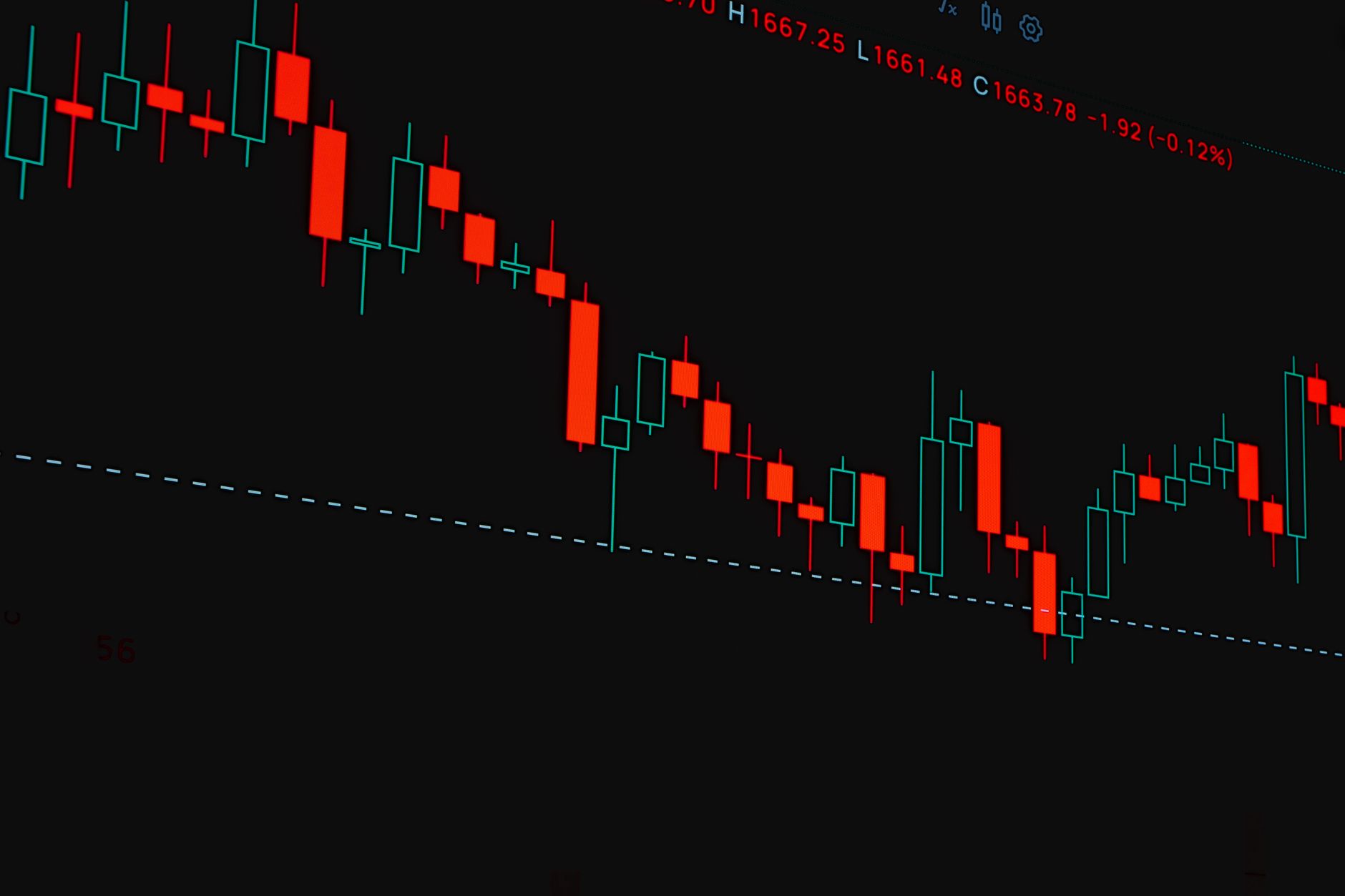
Wall Street downturn has left investors concerned as worries about AI trade and high oil prices weigh on market stability. This sharp decline signals potential challenges ahead.
Understanding the Wall Street downturn
The recent Wall Street downturn has raised significant concerns among investors and analysts alike. As market fluctuations continue to affect various sectors, the implications of artificial intelligence (AI) and soaring oil prices have come to the forefront. Many experts believe that the combination of these two factors is creating an environment of uncertainty that is difficult to navigate.
Investors are particularly worried about the potential for AI technology to disrupt traditional industries, leading to job losses and economic instability. The rapid advancements in AI are prompting fears of a major shift in employment patterns, which could ultimately dampen consumer spending. Additionally, high oil prices are straining both businesses and consumers, contributing to inflationary pressures.
- AI Impact: Concerns over job displacement and industry transformation.
- Oil Prices: Rising costs affecting consumer behavior and corporate profits.
- Market Sentiment: Growing anxiety among investors leading to sell-offs.
The combination of these elements is creating a volatile atmosphere on Wall Street, making the outlook increasingly uncertain.
Factors contributing to market decline
The recent Wall Street downturn has raised concerns among investors, primarily driven by two significant factors: advancements in artificial intelligence (AI) and soaring oil prices. As companies rush to implement AI technologies, uncertainty around job displacement and regulatory scrutiny has created a ripple effect across various sectors.
Many analysts believe that the rapid integration of AI could lead to volatile market conditions. Key points contributing to this sentiment include:
- Job Market Disruption: The fear of AI replacing human jobs has led to anxiety among workers and investors, causing fluctuations in stock prices.
- Regulatory Challenges: Governments are beginning to scrutinize AI developments, which may impose restrictions that could hinder growth in tech stocks.
- Oil Price Surge: Increasing oil prices have heightened inflation concerns, prompting investors to reassess their portfolios and resulting in a sell-off.
As both AI advancements and oil prices continue to evolve, the impact on Wall Street remains uncertain, leaving many to question the sustainability of recent market gains.
Impact of AI trade on stocks
The recent Wall Street downturn has raised significant concerns about the impact of artificial intelligence (AI) on stock valuations. Analysts are particularly worried about how rapidly evolving AI technologies could disrupt established markets and job sectors.
As companies invest heavily in AI, there is a dual-edged sword effect on their stock prices. On one hand, successful AI integration can lead to increased efficiency and profits. On the other hand, there is a growing fear that these advancements may render entire sectors obsolete, leading to volatility in stock markets.
Furthermore, the uncertainty surrounding regulatory frameworks for AI has added to investor anxiety, causing fluctuations in stock prices. Key points to consider include:
- Market sentiment: Investor confidence is wavering, impacting stock valuations.
- Sector shifts: Industries reliant on traditional labor may face declines.
- Investment strategies: Shifts towards AI-focused companies are reshaping portfolios.
As Wall Street grapples with these challenges, the intertwining effects of AI and high oil prices continue to weigh heavily on the market.
The role of oil prices in market shifts
The recent downturn on Wall Street has been significantly influenced by fluctuating oil prices, which have created uncertainty among investors. As the cost of crude oil rises, it impacts various sectors, particularly transportation and manufacturing, leading to increased operational costs.
Analysts indicate that higher oil prices can exacerbate inflationary pressures, causing the Federal Reserve to reconsider its monetary policy. This uncertainty has a cascading effect on market sentiment, prompting traders to adopt a more cautious approach.
Furthermore, the Wall Street downturn has been exacerbated by geopolitical tensions that disrupt supply chains and fuel fears of further price hikes. The interplay between oil prices and economic indicators creates a volatile environment, impacting investor confidence.
In response to these challenges, many companies are re-evaluating their strategies to mitigate risks associated with rising energy costs. Some are investing in alternative energy sources, while others are passing costs onto consumers, which could lead to reduced demand.
Ultimately, the relationship between oil prices and market performance remains critical, as fluctuations continue to shape the economic landscape.
Investor reactions to recent changes
As the Wall Street downturn continues to unfold, investor reactions have been increasingly cautious. Many traders are expressing concern over the dual pressures of rising oil prices and the unpredictable nature of AI-related investments. Market analysts suggest that these factors have led to a significant shift in investor sentiment, with a noticeable trend toward risk aversion.
In recent days, a number of investors have reacted to the downturn by reallocating their portfolios, moving funds away from high-risk tech stocks that have previously benefited from AI hype. Instead, they are looking to more stable investments, such as utilities and consumer staples, which are traditionally seen as safer during market volatility.
Moreover, some investors are advocating for a wait-and-see approach, hoping for clarity on oil price stabilization and AI market trends before making substantial moves. This cautious attitude is reflected in the overall trading volumes, which have decreased as many participants choose to stay on the sidelines amidst the ongoing Wall Street downturn.
Ultimately, the combination of uncertainty surrounding AI advancements and fluctuating oil prices has created a challenging environment for investors.
Future predictions for Wall Street
As analysts assess the implications of the recent Wall Street downturn, several predictions are emerging regarding the future of the market. Many experts suggest that the volatility caused by fluctuating oil prices and the evolving landscape of artificial intelligence will continue to impact investor sentiment.
Key factors influencing future market trends include:
- AI Integration: The rapid adoption of AI technologies could lead to both opportunities and challenges for businesses, potentially creating market instability as companies adjust to new operational paradigms.
- Oil Price Stability: A sustained rise in oil prices may exacerbate inflation concerns, leading to tighter monetary policy and impacting consumer spending.
- Market Sentiment: Investors may remain cautious, with psychological factors playing a significant role in trading decisions as they react to news related to AI and energy sectors.
Ultimately, while some analysts remain optimistic about recovery, the consensus suggests that the Wall Street downturn could persist until clearer trends in AI development and oil price stability emerge.
Comparing past downturns
In examining the Wall Street downturn, it is essential to compare it with previous market declines to understand its broader implications. Historical downturns often share common characteristics, including heightened volatility and investor uncertainty.
Several key downturns can be highlighted:
- The Dot-Com Bubble (2000): The tech-heavy NASDAQ experienced a dramatic fall, primarily due to overvaluation and market speculation. Similar to today’s atmosphere, investors were caught off-guard by sudden losses.
- The Financial Crisis (2008): Triggered by subprime mortgage failures, this downturn was marked by widespread panic and a significant drop in consumer confidence, paralleling the current fears surrounding AI and oil prices.
- The COVID-19 Crash (2020): The pandemic brought abrupt market changes, with rapid declines followed by swift recoveries. The current Wall Street downturn exhibits a sense of unpredictability reminiscent of this period.
Overall, while each downturn has unique causes, the consistent thread remains investor anxiety, which is prevalent in the current Wall Street downturn scenario.
Expert opinions on recovery strategies
Experts are weighing in on potential recovery strategies in light of the recent Wall Street downturn. Many analysts agree that a multifaceted approach is essential for stabilizing the market and boosting investor confidence.
Some key strategies discussed include:
- Diversification: Experts suggest that investors should diversify their portfolios to mitigate risks associated with heavy reliance on AI and oil sectors.
- Focus on fundamentals: Analysts recommend that investors prioritize companies with strong fundamentals, even if they are not currently in the spotlight.
- Long-term investment: Many financial advisors emphasize the importance of viewing investments through a long-term lens, advising against panic selling during downturns.
- Technology adaptation: Some experts believe that embracing technological advancements can help companies pivot effectively and recover from losses.
While the Wall Street downturn has raised concerns, experts remain optimistic that strategic adjustments and a focus on resilience can pave the way for recovery in the near future.
Photo by Rafael Minguet Delgado on Pexels
References
Holiday on October 19: Yogi Government’s Special Announcement · ICICI Life Insurance: Best Opportunity for Women Advisors · ChatGPT Google Chrome tabs: Easy access for smarter tasks