
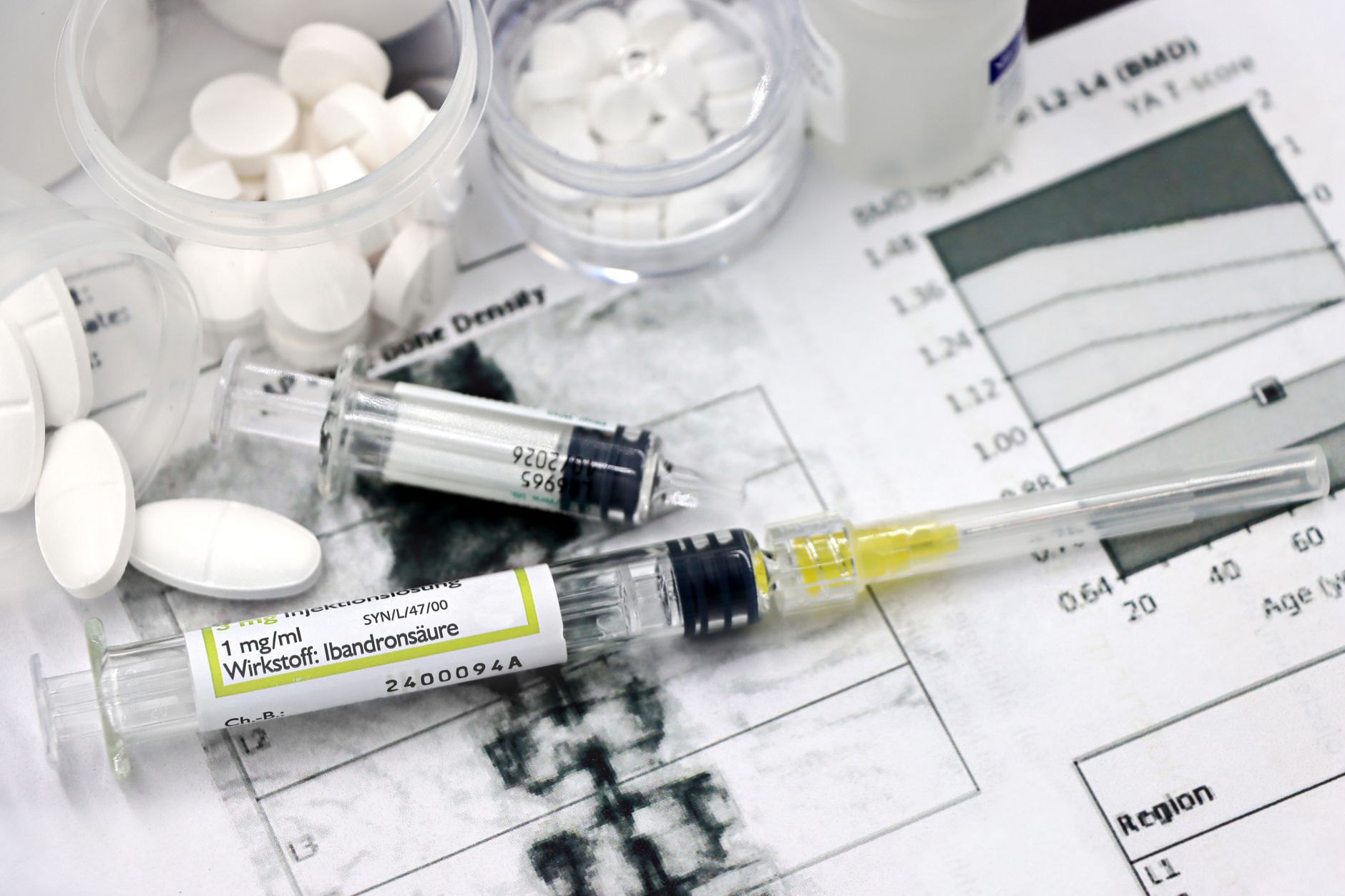
MDR TB treatment outcomes are critical for understanding patient recovery. Recent research highlights the importance of baseline predictors in shaping effective treatment strategies.
Understanding MDR TB
Multidrug-resistant tuberculosis (MDR TB) poses significant challenges to global health, primarily due to its resistance to standard treatments. Understanding MDR TB is crucial in developing effective strategies for management and improving treatment outcomes. The disease results from Mycobacterium tuberculosis strains that are resistant to at least isoniazid and rifampicin, the two most potent first-line anti-TB drugs.
Recent research highlights several baseline predictors that can significantly influence MDR TB treatment outcomes. These predictors can be broadly categorized into two groups:
- Radiographic Predictors: The extent of lung damage visible in chest X-rays can provide valuable insights into the severity of the disease. Patients with less extensive lung involvement often experience better outcomes.
- Microbiologic Predictors: The presence of specific bacterial characteristics, such as the level of drug resistance and the bacterial load, can indicate how a patient will respond to treatment.
By identifying these predictors, healthcare providers can tailor treatment plans more effectively, potentially leading to improved success rates in managing MDR TB. This approach underscores the importance of personalized medicine in combating this formidable disease.
Importance of Treatment Outcomes
The importance of treatment outcomes in managing multidrug-resistant tuberculosis (MDR TB) cannot be overstated. Effective treatment outcomes are crucial not only for the health of the individual but also for public health efforts aimed at controlling the spread of MDR TB.
Successful treatment outcomes can significantly impact various aspects, including:
- Patient Recovery: Positive treatment outcomes lead to improved health and quality of life for patients. Early identification of predictors for success can facilitate timely and appropriate interventions.
- Infection Control: Achieving favorable treatment outcomes minimizes the risk of transmission within communities, thereby protecting vulnerable populations.
- Resource Allocation: Understanding the predictors of treatment success helps healthcare providers allocate resources more effectively, ensuring that patients receive the necessary support and medication.
- Research and Development: Insights into treatment outcomes pave the way for advancements in MDR TB therapies and treatment protocols, ultimately leading to better patient care.
In conclusion, recognizing the significance of MDR TB treatment outcomes enables healthcare professionals to improve interventions and strategies, contributing to a more effective response to this global health challenge.
Baseline Predictors Explained
Baseline predictors play a crucial role in determining the treatment outcomes of patients diagnosed with MDR TB. These predictors can be categorized into two main groups: radiographic and microbiologic factors.
- Radiographic Predictors: Imaging studies, such as chest X-rays or CT scans, provide critical insights into the extent of lung damage caused by MDR TB. Key aspects assessed include:
- Presence of cavitary lesions
- Extent of lung involvement
- Signs of pleural effusion
- Microbiologic Predictors: The results of microbiological tests help to evaluate the severity and transmissibility of the disease. Important factors include:
- Baseline sputum smear results
- Cultures showing drug resistance patterns
- Time to conversion of sputum culture to negative
Understanding these baseline predictors is essential as they can inform treatment strategies and tailor interventions for improved MDR TB treatment outcomes. By focusing on these predictors, healthcare providers can enhance the chances of successful treatment and recovery for patients facing this challenging disease.
Microbiologic Factors in Treatment
Microbiologic factors play a crucial role in predicting MDR TB treatment outcomes. Various studies have identified several key microbiologic predictors that can significantly influence the effectiveness of treatment regimens.
One of the primary predictors is the initial bacterial load, which refers to the number of Mycobacterium tuberculosis organisms present at the start of treatment. A higher bacterial load often correlates with poorer treatment outcomes, making it a vital consideration for healthcare providers.
Additionally, the presence of drug resistance mutations in the bacteria can also impact the success of treatment. Specific mutations can reduce the efficacy of certain antibiotics, thereby complicating the treatment process. Regular monitoring of these mutations through genotypic testing allows for tailored treatment plans that increase the chances of a successful outcome.
Furthermore, the rate of sputum culture conversion during the initial months of treatment serves as an important indicator. A rapid conversion to negative cultures typically suggests a favorable response to therapy and improved MDR TB treatment outcomes.
In summary, understanding these microbiologic factors is essential in optimizing treatment strategies and enhancing success rates for patients battling multidrug-resistant tuberculosis.
Radiographic Indicators
Radiographic indicators play a crucial role in assessing the treatment outcomes of multidrug-resistant tuberculosis (MDR TB). These indicators can provide valuable insights into the patient’s response to therapy and the progression of the disease.
Several key radiographic features have been identified as significant predictors of treatment success. These include:
- Cavitary lesions: The presence and size of cavities in the lungs can indicate the severity of the disease and are often associated with poorer treatment outcomes.
- Extent of lung involvement: A larger area of lung affected by the disease correlates with a higher risk of treatment failure.
- Radiological improvement: Early signs of improvement in imaging results, such as reduced lesion size, can be strong predictors of favorable MDR TB treatment outcomes.
- Initial radiographic scoring: A comprehensive assessment of the initial radiographic findings can help clinicians tailor treatment plans and predict the likelihood of success.
By integrating these radiographic indicators into the treatment planning process, healthcare providers can enhance their ability to predict treatment outcomes and improve overall care for patients battling MDR TB.
Shortened Oral Regimens
Shortened oral regimens for treating multidrug-resistant tuberculosis (MDR TB) have gained attention for their potential to improve treatment outcomes. Recent studies emphasize the importance of specific predictors that can influence success rates in these regimens.
One significant factor is the patient’s baseline radiographic findings. Clear identification of the disease’s extent can help healthcare providers tailor the treatment approach effectively. Furthermore, microbiologic factors, such as the presence of viable mycobacteria, are critical in determining the likelihood of a favorable response to therapy.
In addition, patient adherence to the treatment regimen plays a crucial role. Factors influencing adherence include:
- Socioeconomic status: Access to healthcare and support systems can significantly impact a patient’s ability to follow through with treatment.
- Education: Understanding the disease and its treatment can motivate patients to commit to the regimen.
- Side effects: The tolerability of the treatment can affect ongoing adherence, making it essential to manage any adverse reactions promptly.
By focusing on these predictors, healthcare providers can enhance MDR TB treatment outcomes, ultimately leading to better patient recovery rates and reduced transmission.
Research Findings Summary
Recent research has revealed significant insights into the MDR TB treatment outcomes, particularly regarding baseline predictors that influence success rates. The study emphasizes various factors that can effectively forecast treatment responses in patients undergoing a shortened all-oral regimen for MDR/RR-TB.
- Radiographic Indicators: Initial imaging results play a crucial role. Patients with less extensive lung damage often experience better outcomes.
- Microbiologic Factors: Bacterial load at the outset is a strong predictor. A lower initial bacterial count correlates with higher treatment success.
- Patient Demographics: Age and previous treatment history also significantly impact recovery rates. Younger patients or those without prior treatment tend to fare better.
- Nutritional Status: Adequate nutrition appears to support improved treatment outcomes, highlighting the importance of comprehensive care.
- Adherence to Treatment: Consistent medication intake is crucial. Patients who adhere strictly to their regimens show markedly better success rates.
These findings underline the necessity of identifying these predictors early in the treatment process to tailor interventions and enhance MDR TB treatment outcomes. By focusing on these indicators, healthcare providers can improve patient care and overall success in managing this challenging disease.
Future Directions in TB Treatment
The future of tuberculosis (TB) treatment is increasingly focused on improving outcomes for patients with multidrug-resistant tuberculosis (MDR TB). As research continues to evolve, several key directions are emerging that promise to enhance treatment effectiveness and patient care.
- Personalized Treatment Approaches: Tailoring treatment regimens based on individual patient profiles, including genetic factors and previous treatment history, may lead to better MDR TB treatment outcomes.
- Integration of Novel Therapies: Incorporating new drugs and therapeutic strategies, such as immunotherapy and host-directed therapies, could significantly improve outcomes for patients struggling with MDR TB.
- Enhanced Diagnostic Tools: Advances in diagnostic technologies, such as rapid molecular testing, will facilitate earlier detection and more accurate monitoring of MDR TB, thereby informing treatment decisions.
- Community Health Strategies: Strengthening public health initiatives that focus on education, awareness, and access to treatment can improve adherence and reduce transmission rates.
As we move forward, continuous research and collaboration among healthcare professionals, policymakers, and researchers will be essential in identifying and implementing effective strategies to enhance MDR TB treatment outcomes and ultimately reduce the global burden of this disease.
Understanding the factors influencing MDR TB treatment outcomes is crucial for improving patient care. Recent studies have identified several proven predictors for success in achieving favorable MDR TB treatment outcomes.
Photo by Marta Branco on Pexels