
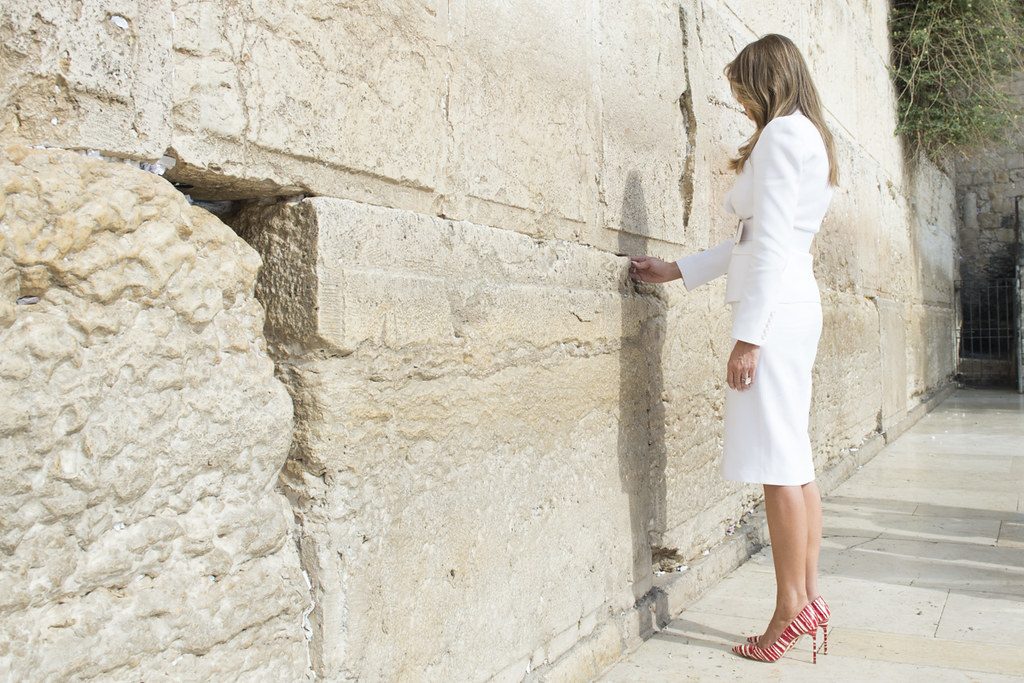
The White House prayer photo has drawn significant attention, as bishops express regret over its political implications. This moment has raised questions about the intersection of faith and politics.
Background on the White House prayer photo
The recent White House prayer photo featuring Catholic bishops has sparked significant controversy and reflection among the church’s leaders. The image, which captured a moment of prayer with former President Donald Trump, has been criticized for its perceived political implications. Many bishops who participated in the event have since expressed their regrets, stating that the photo was used to further political agendas rather than solely for spiritual purposes.
In a statement released by several bishops, they emphasized the importance of maintaining the sanctity of prayer and communal worship, which they feel was compromised by the association with a political figure. They acknowledged that the photo could be interpreted as an endorsement of Trump’s policies, which was never the intention.
As the bishops reflect on the implications of the White House prayer photo, they are calling for a renewed focus on the spiritual mission of the church. They hope to remind followers that faith should transcend political affiliations and that prayer should be a unifying force rather than a divisive one. Moving forward, they aim to ensure that any public displays of faith are free from political entanglements.
Reactions from Catholic bishops
In the aftermath of the controversial White House prayer photo, several Catholic bishops have expressed their honest regrets regarding the event. They believe that the image, which featured President Trump alongside religious leaders, was manipulated for political gain. This has led to a deeper reflection on the intersection of faith and politics.
Among the key sentiments shared by the bishops, a few stand out:
- Bishop Robert McElroy of San Diego stated that the photo did not represent the teachings of the Church, emphasizing that faith should not be co-opted for partisan purposes.
- Bishop Thomas Paprocki of Springfield expressed concern that the image could mislead the faithful, suggesting it may create confusion about the Church’s stance on political matters.
- Bishop David O’Connell of Los Angeles noted that the White House prayer photo could alienate those who feel marginalized, asserting that prayer should unite rather than divide.
These reactions illustrate a growing unease among some church leaders about how religious symbols are used in the political arena, echoing a broader concern about maintaining the integrity of the faith in public life.
The political context of the photo
The recent White House prayer photo featuring President Trump has sparked significant controversy, particularly among Catholic bishops who feel it was used for political gain. The bishops expressed their honest regrets, stating that the image, which was intended to convey a message of faith and unity, has been overshadowed by the political implications surrounding its release.
In the backdrop of a polarized political climate, the photo was perceived by many as an attempt to leverage religious sentiment for electoral advantage. This has raised questions about the appropriateness of such displays at the highest levels of government, especially when they intertwine with partisan agendas.
Several bishops have voiced their concerns, noting that the sacredness of prayer should not be exploited in a way that alienates individuals across the political spectrum. They emphasized the importance of maintaining the integrity of religious practices and the need for church leaders to be mindful of how their actions can be interpreted in the public eye.
As discussions about the White House prayer photo continue, it remains evident that the intersection of faith and politics is a delicate matter, one that requires careful consideration to uphold the dignity of both realms.
Public opinion on religious imagery
Public opinion regarding the controversial White House prayer photo has been sharply divided. Many individuals expressed their discontent, arguing that the image symbolized a troubling intersection of faith and politics. Critics contend that the photo depicted a misuse of religious imagery for political gain, particularly in the context of its association with former President Trump.
Among those expressing regret are Catholic bishops who have publicly acknowledged their discomfort with the way the image was utilized. They emphasized the importance of maintaining the sanctity of religious practices without intertwining them with political agendas. In a recent statement, several bishops remarked:
- “We must prioritize spiritual authenticity over political symbolism.”
- “This photo does not reflect the values of the Church or its mission.”
Supporters of the photo, on the other hand, argue that it represents a moment of unity and prayer in a tumultuous political climate. They assert that the image is a powerful reminder of the role faith can play in public life. Ultimately, the White House prayer photo has sparked a dialogue about the appropriateness of religious imagery in political settings, revealing the complexities of faith in contemporary society.
Future implications for church and state
The recent controversy surrounding the White House prayer photo has raised significant questions about the future relationship between church and state. Many bishops who participated in the photo now express regret, stating that their intentions were misinterpreted and that the image was used politically to enhance a particular narrative.
As church leaders reflect on this incident, they emphasize the need for clearer boundaries between religious expressions and political endorsements. Some bishops have called for a reassessment of how religious leaders engage with political figures, advocating for a more cautious approach that prioritizes spiritual integrity over political visibility.
This incident has also sparked a broader debate about the role of faith in public life. Concerns have been raised about the potential for religious imagery to be co-opted for political gain, which could undermine the credibility of religious institutions.
As the church navigates these complexities, there is a growing recognition that maintaining a balanced relationship with the state is crucial. Future implications may include stricter guidelines for public appearances and a commitment to ensuring that faith remains a source of unity rather than division.
By The White House via Openverse