
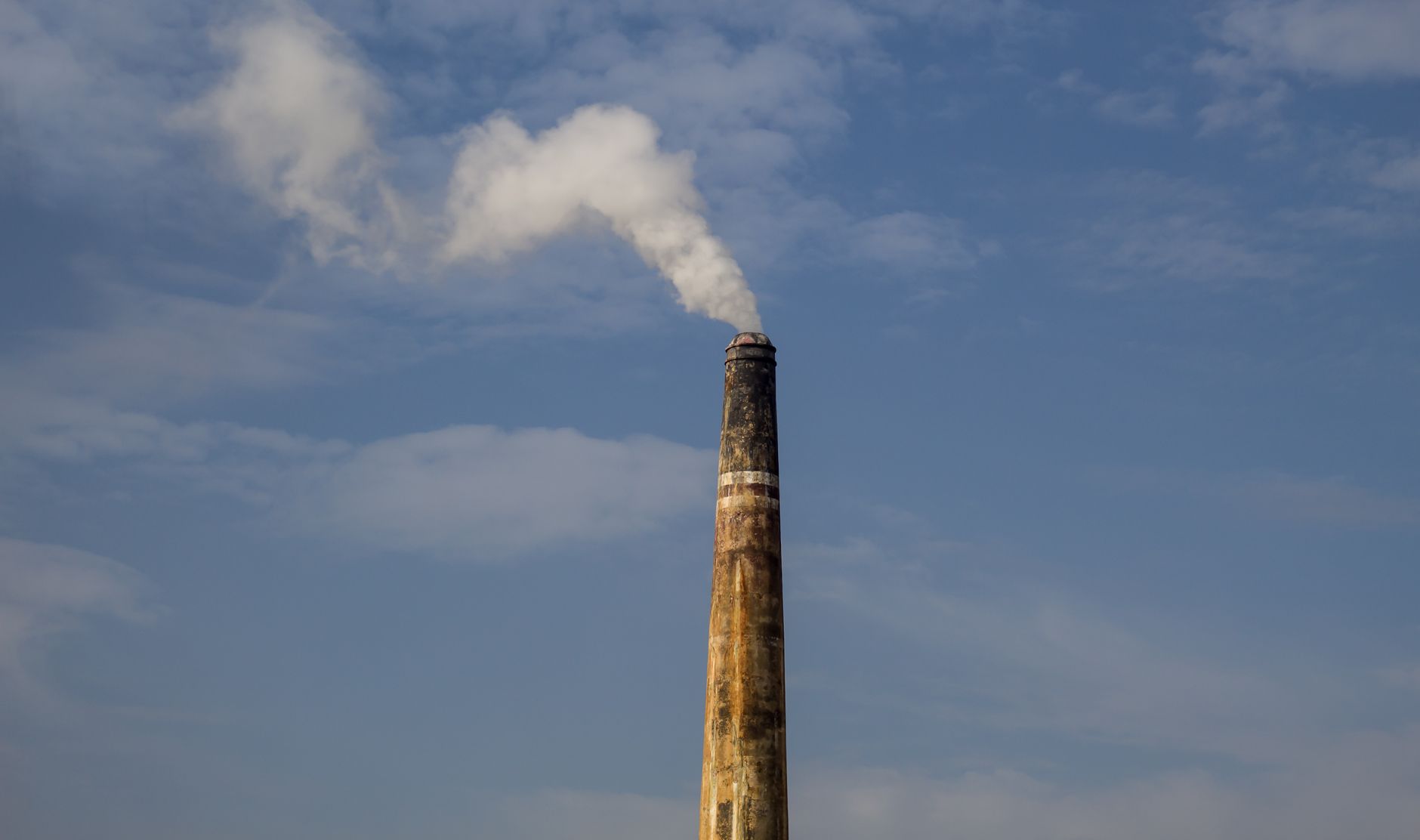
Lahore smog concerns are escalating as hazardous air quality blankets the city, exacerbated by Diwali fireworks and winds from India. Residents are increasingly worried about health impacts.
Understanding Lahore’s Smog Problem
Lahore, known for its vibrant culture and rich history, is currently grappling with severe smog concerns that have escalated in recent weeks. The annual celebration of Diwali has compounded the issue, as fireworks set off during the festivities contribute significantly to air pollution.
The combination of fireworks and seasonal weather patterns has led to hazardous air quality levels, affecting the health and well-being of residents. Experts warn that the particulate matter generated from these celebrations combines with other pollutants, creating a toxic atmosphere.
Key factors contributing to Lahore’s smog problem include:
- Industrial Emissions: Factories release large quantities of smoke and chemicals into the air.
- Vehicular Pollution: An increase in traffic congestion adds to the overall pollution levels.
- Crop Burning: Agricultural practices in surrounding areas contribute to seasonal smog.
As Lahore continues to choke under the weight of these environmental challenges, the community calls for immediate action to tackle the smog concerns and protect public health.
The Impact of Diwali Celebrations
The recent celebration of Diwali has raised significant concerns regarding the worsening smog situation in Lahore. As fireworks lit up the night sky, the resulting air pollution has compounded the already hazardous conditions faced by residents.
The effects of these celebrations can be particularly severe, as toxic chemicals released from fireworks mix with existing pollutants, leading to a spike in hazardous smog levels. Health experts warn that this can result in:
- Increased respiratory issues among vulnerable populations, including children and the elderly.
- Heightened risk of heart-related conditions due to poor air quality.
- Significant visibility reduction, impacting travel and daily activities.
Moreover, the situation is exacerbated by weather patterns, as winds from India carry additional pollutants into the region. This combination of local and external factors significantly contributes to the growing Lahore smog concerns, prompting authorities to urge residents to limit outdoor activities during peak smog hours.
As Diwali festivities continue, the enduring impact on air quality remains a pressing issue for the city.
Health Risks Associated with Poor Air Quality
The worsening air quality in Lahore has raised significant health concerns among residents, particularly following the recent Diwali celebrations. The use of fireworks during this festive period has exacerbated the already hazardous smog conditions, leading to numerous health risks.
Medical experts warn that poor air quality can have severe implications for the population. Some of the key health risks associated with Lahore’s smog concerns include:
- Respiratory Issues: The inhalation of fine particulate matter can lead to chronic respiratory diseases, including asthma and bronchitis.
- Cardiovascular Problems: Increased air pollution levels are linked to heart attacks and other cardiovascular complications.
- Adverse Effects on Children: Children are particularly vulnerable, facing risks of developmental issues and decreased lung function.
- Mental Health Implications: Studies suggest that prolonged exposure to polluted air can contribute to anxiety and depression.
As Lahore continues to grapple with the fallout from Diwali fireworks, residents are urged to take precautions and stay informed about air quality levels to protect their health.
Government Response to Smog Issues
In response to the escalating Lahore smog concerns, the provincial government has announced a series of measures aimed at mitigating the harmful effects of air pollution exacerbated by Diwali fireworks. Officials have emphasized the urgency of addressing this environmental crisis, which has seen air quality plummet to hazardous levels.
Among the key initiatives being discussed are:
- Increased Enforcement: Authorities plan to enhance monitoring of construction sites and industrial emissions, ensuring compliance with environmental regulations.
- Public Awareness Campaigns: The government aims to educate citizens about the dangers of burning waste and using fireworks, especially during festive seasons.
- Collaboration with Neighboring Regions: Efforts are being made to work with neighboring states to tackle cross-border pollution that contributes to Lahore’s air quality issues.
The government has also called for a temporary ban on fireworks, urging the public to seek safer, eco-friendly alternatives to celebrate festivals. As residents continue to suffer from the adverse effects of smog, these measures are seen as crucial steps toward safeguarding public health and restoring air quality in Lahore.
Community Actions Against Air Pollution
In response to the increasing Lahore smog concerns, local communities have started to take proactive measures to combat air pollution. Grassroots organizations and residents are coming together to raise awareness about the detrimental effects of smog, especially during festive occasions like Diwali.
Several initiatives have emerged, including:
- Awareness Campaigns: Community leaders are organizing workshops and seminars to educate citizens about the health risks associated with poor air quality and the role of fireworks in exacerbating smog.
- Clean-Up Drives: Volunteers are participating in clean-up drives to remove debris and rubbish that contribute to air pollution, particularly in urban areas.
- Advocacy for Policy Change: Activists are lobbying for stricter regulations on fireworks and industrial emissions, urging local governments to implement more sustainable practices.
These actions are crucial as residents of Lahore continue to face the adverse effects of rising pollution levels. By fostering community engagement and promoting environmentally friendly habits, citizens hope to alleviate the ongoing smog crisis and protect public health.
Expert Opinions on Smog Solutions
Experts are increasingly vocal about the pressing Lahore smog concerns exacerbated by recent Diwali fireworks. According to Dr. Amina Malik, an environmental scientist, the combination of airborne pollutants from fireworks and prevailing winds from India have heightened the smog levels significantly. “The situation is alarming, and immediate action is required to mitigate the effects,” she stated.
In addition, Dr. Farhan Iqbal, an air quality researcher, emphasized the need for a comprehensive policy that targets both local and cross-border pollution sources. “We cannot solely blame one event; multiple factors contribute to the air quality crisis in Lahore. A multi-faceted approach is essential,” he explained.
Local environmental groups suggest that public awareness campaigns can play a crucial role in reducing air pollution during festive seasons. They advocate for community-led initiatives that encourage people to limit fireworks usage and adopt cleaner alternatives.
Furthermore, experts recommend the implementation of stricter regulations on industrial emissions and vehicular pollution to ensure long-term solutions. “It’s not just about the immediate effects of Diwali; it’s about creating a sustainable environment for future generations,” Dr. Malik concluded.
Future Projections for Lahore’s Air Quality
As Lahore continues to grapple with the persistent issue of smog, future projections raise alarming concerns regarding air quality in the city. Experts predict that without decisive action, the situation could worsen significantly in the coming years.
The influence of external factors, such as Diwali fireworks, is expected to exacerbate the already critical levels of air pollution. The combination of these celebrations with prevailing winds carrying pollutants from neighboring regions poses a severe threat to public health.
According to environmental scientists, the frequency and intensity of smog events are likely to increase, leading to a rise in respiratory illnesses among residents. In addition, the economic implications could be profound, affecting productivity and healthcare costs.
To combat this trend, experts emphasize the need for comprehensive policies aimed at reducing emissions from industrial sources and traffic. They also advocate for increased community awareness about Lahore smog concerns and its long-term effects on health and the environment.
Without immediate and sustained intervention, Lahore’s air quality may face dire consequences, necessitating urgent action from both the government and the public.
The Role of Weather in Smog Formation
The recent surge in smog levels in Lahore has raised significant concerns, particularly in the wake of Diwali celebrations. One critical factor contributing to this phenomenon is the weather. The atmospheric conditions play a crucial role in either dispersing or trapping pollutants.
During the colder months, the combination of lower temperatures and stagnant air can lead to the formation of a thick smog layer. This is exacerbated by:
- Temperature inversions: When warm air traps cooler air at the surface, preventing pollutants from rising and dispersing.
- Lack of wind: Calm conditions can lead to the accumulation of smoke and particulate matter, worsening air quality.
- Humidity levels: Increased moisture can lead to the formation of fog, which combines with pollutants to create a dangerous haze.
As residents of Lahore continue to express their concerns about the smog, understanding the role of weather in smog formation becomes essential for both individuals and policymakers. Without a comprehensive approach to address these climatic influences, efforts to combat Lahore’s smog concerns may fall short.
Lahore smog concerns have escalated in recent years, particularly during festive occasions like Diwali. The use of fireworks contributes significantly to the already poor air quality, exacerbating Lahore smog concerns among residents.
Photo by Istiaque Hossain on Pexels