
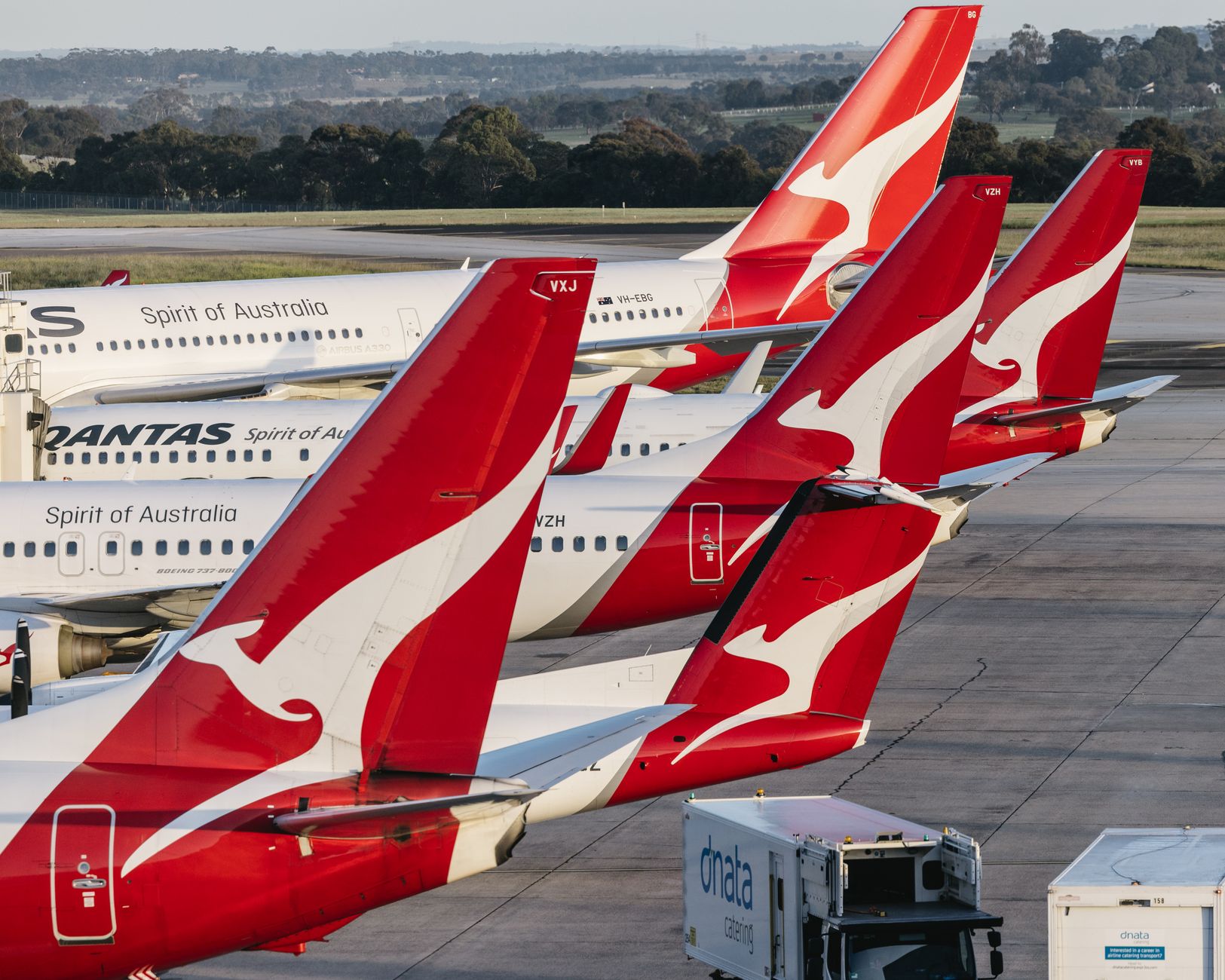
Qantas job cuts have raised alarms as the airline plans to outsource 850 positions to India, affecting many employees. This decision has sparked discussions about the future of the airline and its commitment to local jobs.
Overview of Qantas Job Cuts
Qantas Airways has announced a significant restructuring plan that will lead to the cutting of 850 jobs, a move that many industry experts are labeling as detrimental to the airline’s future. The decision comes as part of an initiative to outsource various functions to India, aiming to reduce operational costs in a highly competitive market.
This announcement has sparked widespread concern among employees and union representatives, who argue that such job cuts could undermine the quality of service and operational efficiency. The airline’s management has justified the layoffs, stating that outsourcing certain roles will allow Qantas to remain financially viable in the long term. However, critics fear this approach may alienate loyal customers who value the reliability and service that come from local staff.
According to Qantas, the affected positions will primarily be in administrative and support roles, with the aim of reallocating resources towards more critical areas of the business. The airline has promised to provide support for impacted employees, including severance packages and assistance in finding new employment.
As the airline navigates these changes, the focus will be on balancing cost-cutting measures with the need to maintain high standards of customer service, a challenge that could define Qantas’s future in the aviation industry.
Impact on Employees
The recent announcement regarding Qantas job cuts has left many employees feeling anxious about their future. The decision to eliminate 850 positions, primarily through outsourcing to India, raises significant concerns about job security and the morale of those remaining within the company.
Many employees have expressed feelings of betrayal, citing a lack of transparency from management during the decision-making process. The sudden nature of these layoffs has led to uncertainty among teams, with workers questioning their roles and the stability of their positions in the long term.
In addition to the emotional toll, the impact on employee livelihoods is profound. A survey revealed that:
- Over 70% of staff are worried about their financial stability.
- Many employees have expressed concerns about the quality of service that will follow outsourcing.
- Workers fear that the company’s reputation may suffer as a result of reduced workforce quality.
As Qantas moves forward with these significant cuts, the airline must consider the long-term ramifications on its workforce. Employee loyalty has been a cornerstone of the airline’s success, and this decision could jeopardize that foundation, potentially leading to further issues down the line.
Reasons Behind Outsourcing
The decision to implement Qantas job cuts has raised significant concerns regarding the airline’s future. One of the main reasons behind this move is the company’s shift towards outsourcing operations, particularly to India. This strategy is aimed at reducing operational costs and improving efficiency, but it may have unintended consequences.
Several factors contribute to Qantas’s decision to outsource jobs:
- Cost Reduction: By moving certain roles overseas, Qantas aims to lower labor costs significantly, which is crucial for remaining competitive in a challenging airline industry.
- Operational Efficiency: Outsourcing can streamline operations and allow the airline to focus on its core competencies while relying on external expertise for support roles.
- Global Market Trends: Many airlines are increasingly turning to outsourcing as a means of adapting to market pressures and economic fluctuations, setting a precedent that Qantas appears to be following.
- Technological Advancements: The rise of digital platforms and automation has made it easier for companies to manage outsourced teams effectively, further encouraging this trend.
However, while these reasons may explain the current strategy, the long-term implications of Qantas job cuts could jeopardize employee morale and customer trust, raising questions about the airline’s commitment to its workforce and service quality.
Future of Qantas Operations
The future of Qantas operations is under scrutiny following the announcement of significant job cuts. As the airline moves to outsource roles to India, many industry experts express concern over the long-term implications of these decisions. The Qantas job cuts are not just a response to immediate financial pressures; they could reshape the company’s operational strategy for years to come.
Analysts argue that outsourcing essential functions may lead to a decline in service quality, which has been a hallmark of the Qantas brand. The loss of experienced staff could create gaps in knowledge and expertise, ultimately affecting customer satisfaction. Moreover, the move raises questions about the airline’s commitment to its home market, as local talent faces displacement.
Industry insiders highlight several potential consequences of these cuts:
- Operational Efficiency: While outsourcing may reduce costs in the short term, it could also lead to inefficiencies if not managed properly.
- Brand Reputation: A decline in service quality could tarnish Qantas’s reputation, making it harder to attract new customers.
- Employee Morale: Remaining staff may feel insecure about their jobs, leading to decreased productivity and a negative workplace culture.
Overall, the strategic direction of Qantas will be closely monitored as the airline navigates these challenging changes.
Public Reaction to Job Cuts
The announcement of Qantas job cuts has sparked significant public outcry, with many expressing concern over the airline’s decision to outsource roles to India. Critics argue that this move jeopardizes the quality of service and safety standards that passengers expect from a leading airline. Social media platforms have become a battleground for opinions, with numerous users sharing their discontent using hashtags like #QantasJobCuts and #SaveOurJobs.
Many former and current employees have taken to online forums to voice their frustrations, highlighting the impact of these cuts on their lives and the broader community. A former Qantas employee stated, “This decision feels like a betrayal. We dedicated our careers to this company, and now we are being discarded.” The sentiment resonates as many believe that these job cuts reflect a lack of commitment to local staff and the Australian workforce.
Additionally, advocacy groups have called for greater accountability from Qantas, urging the airline to reconsider its strategy. In a recent poll, a significant majority of respondents indicated they would prefer to support airlines that prioritize local jobs over cost-cutting measures. As the backlash grows, it remains to be seen how Qantas will address these concerns and the long-term implications of the job cuts on its reputation and operations.
Comparative Analysis with Other Airlines
The recent decision by Qantas to implement significant job cuts has sparked a debate about the airline’s long-term strategy. When compared to other major airlines, Qantas’s approach raises concerns about its sustainability.
Several global airlines have faced similar challenges but have opted for different strategies to navigate economic pressures. For instance, Delta Air Lines has focused on enhancing employee training and retaining staff to improve customer service, which resulted in higher employee morale and loyalty. In contrast, United Airlines has diversified its operations by investing in technology and innovation, which has led to increased efficiency without resorting to large-scale layoffs.
Furthermore, British Airways adopted a more cautious approach, negotiating temporary contracts with staff during downturns rather than permanent job cuts. This strategy allowed them to maintain a committed workforce while managing costs effectively.
In light of these comparisons, Qantas’s decision to cut 850 jobs and outsource positions to India appears to be a risky move. As the airline industry continues to recover from the pandemic, retaining skilled employees might be crucial for Qantas’s future competitiveness. The comparative analysis suggests that prioritizing staff over short-term cost savings could yield a more sustainable path forward for the airline.
The recent Qantas job cuts have raised concerns among industry experts about the airline’s long-term viability. Many believe that these Qantas job cuts could lead to a decline in service quality and customer loyalty.
Photo by Josh Withers on Pexels