
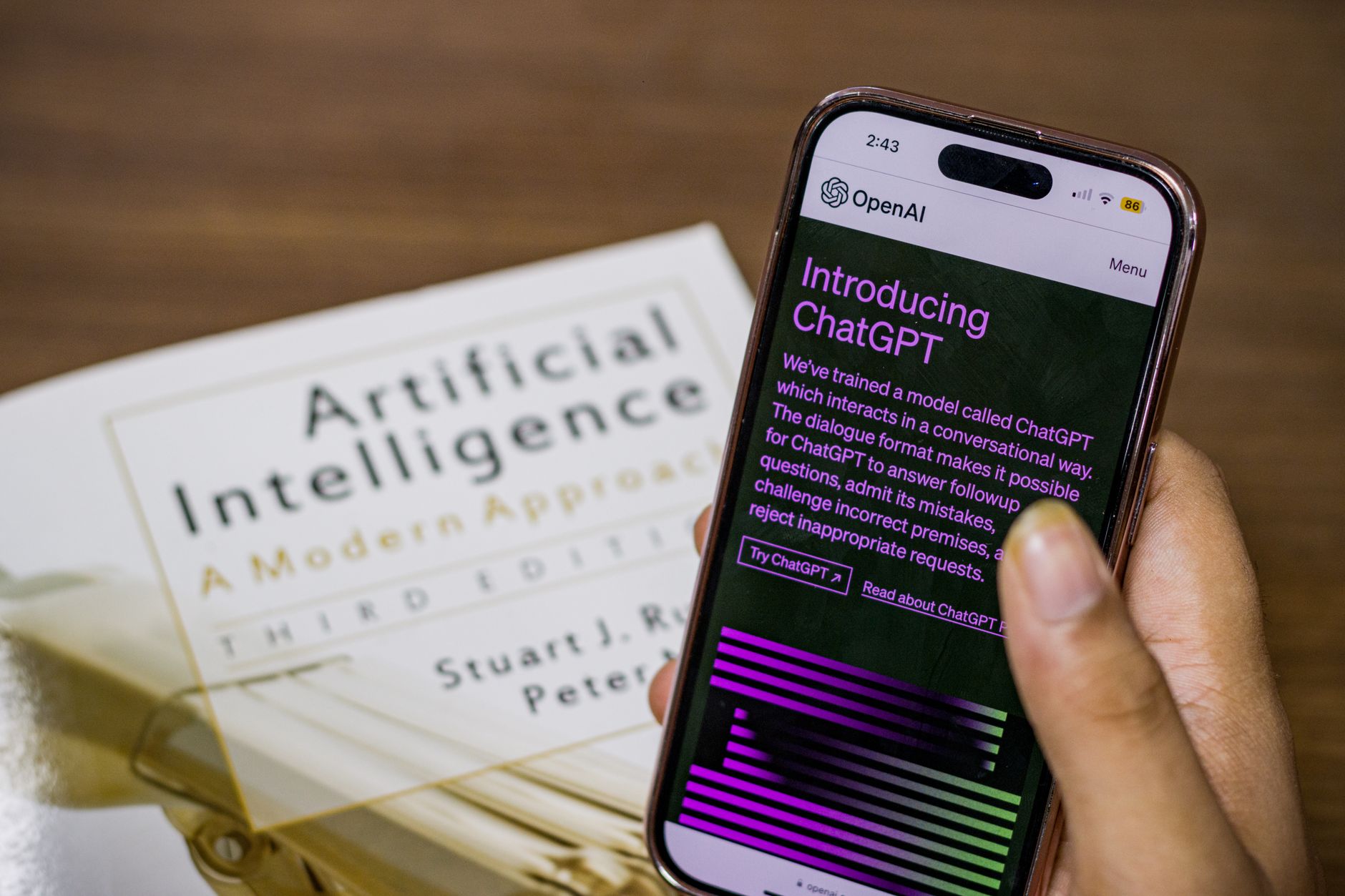
ChatGPT in Dentistry is revolutionizing how dental professionals approach patient care and practice management.
Understanding ChatGPT’s Role in Dentistry
As the integration of technology in healthcare continues to evolve, ChatGPT in Dentistry emerges as a pivotal tool enhancing patient care and clinical efficiency. This advanced language model utilizes artificial intelligence to assist dental professionals in various capacities.
One significant application is in patient communication. ChatGPT can facilitate seamless interactions, offering patients instant responses to queries about procedures, aftercare, and appointment scheduling. This not only improves patient satisfaction but also allows dental staff to allocate more time to clinical tasks.
Additionally, ChatGPT can aid in diagnostic support by analyzing patient data and providing insights that assist dentists in making informed decisions. It can also play a role in patient education, tailoring information to individual needs and helping patients understand their treatment options better.
Despite its potential, the adoption of ChatGPT in Dentistry does present challenges, including ensuring data privacy and the need for continuous updates to its knowledge base. Overall, the future of dental care looks promising with advancements in AI technology.
Current Applications of AI in Dental Practices
Artificial intelligence is revolutionizing various industries, and dentistry is no exception. Current applications of AI in dental practices are enhancing patient care and improving operational efficiency. One prominent example is the use of ChatGPT in Dentistry, which assists dental professionals in patient communication and education.
Moreover, AI-driven tools are being employed for:
- Diagnostic support: AI algorithms analyze dental images to identify issues such as cavities or gum disease more accurately and swiftly.
- Treatment planning: AI systems can suggest personalized treatment plans based on patient data and historical outcomes.
- Patient management: AI chatbots improve patient engagement by handling appointment scheduling and answering common queries, freeing up staff time.
- Predictive analytics: By evaluating patient records, AI can predict potential dental issues, allowing for preventative care.
These innovations not only enhance the patient experience but also empower dental professionals to deliver more efficient care.
Clinical Implications of Using ChatGPT
The integration of ChatGPT in Dentistry presents several clinical implications that could transform patient care and operational efficiency. Dental professionals can harness this technology to enhance patient interactions by providing timely information and answering common queries.
Key clinical implications include:
- Improved Patient Communication: ChatGPT can facilitate clearer communication between dentists and patients, ensuring that patients understand treatment options and post-operative care.
- Efficient Appointment Scheduling: By automating appointment bookings, ChatGPT can reduce administrative burdens on dental staff, allowing them to focus more on patient care.
- Personalized Care Recommendations: This technology can analyze patient records and preferences, offering tailored advice and reminders for oral hygiene, thus promoting better oral health.
- Enhanced Training: ChatGPT can serve as a resource for dental students and professionals, providing access to the latest research and clinical guidelines.
Overall, the adoption of ChatGPT in dental practices could lead to a more efficient, responsive, and patient-centered approach to dental care.
Challenges Faced by Dentists with AI Integration
As the integration of AI technologies like ChatGPT in Dentistry continues to unfold, dental professionals encounter several challenges. These hurdles can impact the effectiveness and adoption of AI within practices.
- Data Privacy Concerns: Many dentists worry about the security of patient data when using AI systems, as sensitive information must be protected to comply with regulations.
- Training and Adaptation: Dentists may require additional training to effectively incorporate ChatGPT into their workflows, which can be time-consuming and resource-intensive.
- Reliability of AI Outputs: The potential for miscommunication or inaccuracies in AI-generated responses raises concerns among practitioners regarding patient safety and care quality.
- Cost of Implementation: Investing in AI technology can be prohibitive for smaller practices, leading to a disparity in the adoption of advanced tools.
- Patient Acceptance: Some patients may be skeptical of AI’s role in their care, preferring traditional human interaction over automated responses.
Future Perspectives on AI in Dentistry
The future of dentistry is set to be transformed by advancements in artificial intelligence, particularly through tools like ChatGPT in Dentistry. As dental practices continue to embrace technology, several promising perspectives emerge.
- Enhanced Patient Communication: AI-driven chatbots can provide 24/7 support, answering patient queries and scheduling appointments, thereby improving overall patient satisfaction.
- Personalized Treatment Plans: With the ability to analyze vast amounts of data, AI can help dentists create customized treatment plans tailored to individual patient needs.
- Predictive Analytics: By utilizing predictive analytics, dentists can foresee potential dental issues and address them proactively, leading to better health outcomes.
- Streamlined Administrative Tasks: AI tools can automate mundane administrative tasks, allowing dental professionals to focus more on patient care.
Overall, the integration of ChatGPT and similar technologies holds great promise for the future of dental care, fostering a smarter, more efficient approach to oral health.
Patient Experiences with AI in Dental Care
Patients are increasingly sharing their experiences with ChatGPT in Dentistry, highlighting how artificial intelligence is transforming their dental care interactions. Many have reported a greater sense of engagement during appointments, as AI tools provide instant access to information and personalized responses to queries.
One patient noted that using ChatGPT to ask about treatment options led to a more informed discussion with their dentist, improving their overall experience. This technology is allowing dental professionals to address concerns promptly, enhancing communication and trust.
Furthermore, patients appreciate the convenience of AI-driven platforms that can assist with appointment scheduling and follow-up care instructions. These innovations not only streamline processes but also empower patients to take an active role in their oral health.
However, some individuals express concerns about the limitations of AI, emphasizing the importance of human interaction in healthcare. Balancing the efficiency of ChatGPT in Dentistry with the personal touch of dental professionals remains crucial for future advancements.
Photo by Sanket Mishra on Pexels