
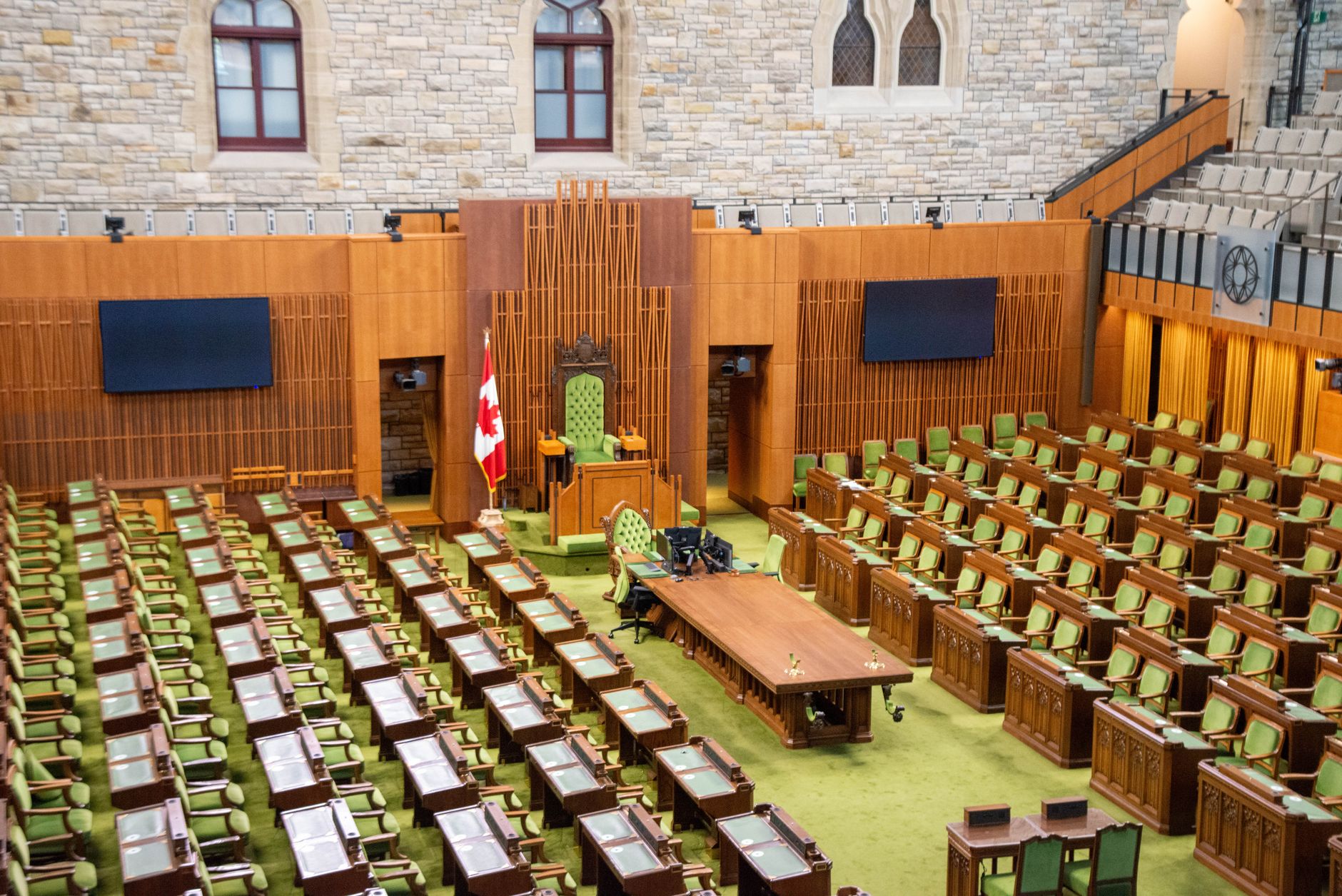
Parliament winter session may be called in early December, raising questions about the government’s agenda and priorities for the upcoming months.
What is the Parliament winter session?
The Parliament winter session is a crucial period in the legislative calendar of India, typically held in December. During this session, Members of Parliament (MPs) convene to discuss and pass important legislation and address key national issues. This session often allows the government to present its agenda for the upcoming year and is essential for the democratic process.
Generally, the winter session lasts for about a month and focuses on various topics, including:
- Reviewing important bills pending from previous sessions
- Introducing new legislation aimed at addressing current challenges
- Debating issues that have significant public interest and impact
The timing of the Parliament winter session is particularly significant as it leads up to the new fiscal year, providing a platform for the government to outline its financial plans and priorities. As December approaches, discussions around the agenda for this session are intensifying, with various stakeholders eagerly awaiting the government’s proposals and potential reforms.
Importance of the winter session
The Parliament winter session holds significant importance in the legislative calendar of India. This session is crucial for several reasons:
- Legislative Agenda: The winter session provides an opportunity for the government to introduce and pass important bills that may have been pending from previous sessions.
- Budget Preparations: With the annual budget presentation scheduled for February, the winter session allows for discussions and debates that are vital for shaping fiscal policies.
- Public Interest Issues: The session often addresses pressing public concerns, allowing lawmakers to raise issues that impact citizens directly, from social welfare to economic policies.
- Parliamentary Accountability: The winter session serves as a platform for the opposition to hold the government accountable, ensuring that key issues are scrutinized and debated.
- Engagement with Constituents: Members of Parliament can interact with their constituents during this time, gathering feedback and concerns that can inform their legislative actions.
Overall, the Parliament winter session is a pivotal time for governance and legislative action, making it essential for lawmakers to prioritize effectively to address the nation’s needs.
Potential agenda for December
The upcoming Parliament winter session is expected to address several key issues in December, shaping the legislative agenda for the next year. Lawmakers are focused on crafting a plan that prioritizes pressing matters affecting the nation.
Among the potential agenda items for the December session are:
- Economic Recovery: Discussions on measures to boost economic growth post-pandemic, including stimulus packages and job creation initiatives.
- Farm Laws: A review of agriculture reforms and the implementation of policies to support farmers.
- Health Policy: Updates on healthcare infrastructure improvements and responses to any ongoing public health challenges.
- Education Reforms: Proposals aimed at enhancing the quality of education and accessibility for all students.
- Climate Change: Legislative measures to address environmental concerns and commitments to sustainability.
As the Parliament winter session approaches, it is crucial for lawmakers to establish a clear and focused agenda that addresses these vital issues, fostering a productive dialogue within the house. This session promises to be a significant opportunity for political leaders to showcase their commitment to the nation’s development.
Government’s plans for Parliament
The government’s plans for the upcoming Parliament winter session are taking shape as December approaches. Lawmakers are expected to convene early in the month to discuss critical issues and legislation that require urgent attention.
Key areas of focus for the session may include:
- Economic Recovery: Strategies to boost economic growth post-pandemic will likely be a priority, with discussions on fiscal policies and stimulus measures.
- Farmers’ Issues: The government may address ongoing farmers’ protests and seek to find common ground on agricultural reforms.
- Public Health: With the COVID-19 situation still a concern, health-related legislation and vaccination strategies will be crucial topics.
- Social Welfare: Initiatives aimed at supporting marginalized communities may also be proposed to ensure inclusivity in development plans.
The government faces pressure to deliver tangible results during the Parliament winter session, as public expectations remain high. As the session nears, it will be vital for the administration to balance various interests while pushing forward its legislative agenda.
Reactions from political leaders
As the Parliament winter session approaches, reactions from political leaders have begun to shape the discourse around its agenda and timing. Many leaders from various parties are expressing their expectations and concerns regarding the upcoming session.
- The ruling party has emphasized the need for a productive winter session, urging all members to cooperate in passing crucial legislation.
- Opposition leaders have called for a focus on pressing issues such as unemployment and inflation, voicing their concerns that the government may prioritize less significant matters.
- Regional parties have also weighed in, highlighting the importance of including local issues in the discussions, suggesting that the Parliament winter session should address diverse regional needs.
- Political analysts predict a highly charged atmosphere, especially given the recent controversies surrounding various government policies. They note that these dynamics might influence the effectiveness of the session.
Overall, the reactions indicate a mix of optimism and skepticism as political leaders prepare for the Parliament winter session, each aiming to represent their constituents while navigating the complexities of national governance.
Historical context of winter sessions
The winter session of Parliament has a rich historical context, dating back to the colonial era when it was established to address pressing legislative needs during the colder months. Traditionally, the session convened in November and continued into December, allowing lawmakers to discuss and pass crucial bills before the year concludes.
Over the years, the winter session has evolved in response to the changing political landscape and societal needs. It has often been a time for significant debates on key issues, from economic policies to social reforms. The Parliament winter session has served as a platform for the ruling government to present its agenda while providing opposition parties an opportunity to voice their concerns and hold the government accountable.
Moreover, the winter session’s timing coincides with the end of the fiscal year, making it an ideal period for the government to introduce budgetary measures and other financial bills that can shape the upcoming year. As December approaches, the expectation surrounding the session grows, with various stakeholders keenly observing how the government will navigate legislative challenges and political dynamics.
Ultimately, the historical significance of the winter session underscores its role in shaping India’s legislative framework and responding to contemporary issues.
Public expectations for the session
As the Parliament winter session approaches, public expectations are rising regarding the government’s agenda and outcomes. Many citizens are looking for decisive action on pressing issues that have been lingering for some time.
Key expectations from the public include:
- Legislative Action: The need for new laws addressing economic recovery and public health is paramount. Citizens anticipate discussions on bills that impact daily life and bolster the economy.
- Transparency: There is a strong call for transparency in decision-making processes, especially concerning budget allocations and resource management.
- Engagement: The public hopes for increased engagement from their representatives, desiring more frequent updates and opportunities for dialogue on important issues.
- Debate on Social Issues: Many are eager to see Parliament address critical social issues such as education, gender equality, and employment, ensuring that these topics are not sidelined.
The Parliament winter session is an opportunity for leaders to respond to these expectations, reflecting the voices of their constituents and fostering a collaborative atmosphere. Meeting public demands during this session could pave the way for a more productive legislative agenda in the coming year.
Photo by Daniel Miller on Pexels
Where this came from
Related reading
Planes Collide at Miami Airport: A Clear Warning for Travelers · Are NAD Supplements Necessary for Healthy Adults? The Clear Answer · Punjab Electricity Bill Relief: Simple Way to Save Money