
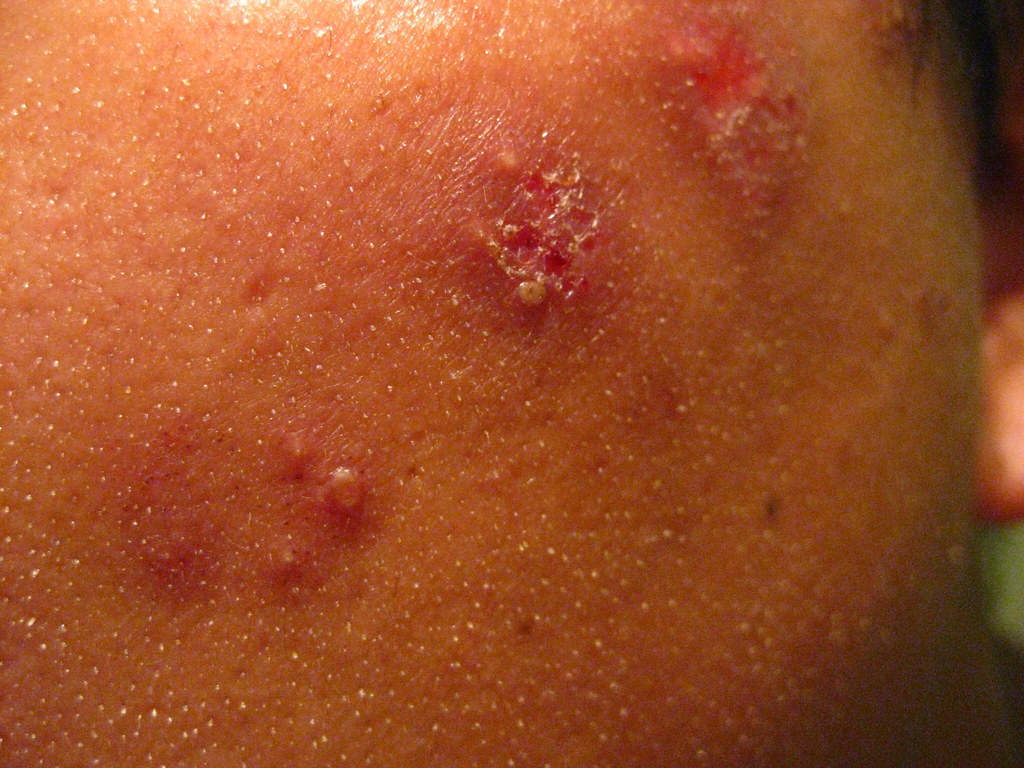
Varicella-Zoster Virus is a significant health issue for patients with thymoma. This article explores the implications of a recent case involving Good’s Syndrome.
Understanding Varicella-Zoster Virus
The Varicella-Zoster Virus (VZV) is a highly contagious virus known for causing chickenpox in children and shingles in adults. It belongs to the herpesvirus family and can remain dormant in the body after the initial infection. When reactivated, it can lead to painful rashes and complications, especially in immunocompromised individuals. Understanding the implications of VZV infection is crucial for patients with thymoma, a rare tumor of the thymus gland.
Thymoma patients, often dealing with weakened immune systems, may face severe consequences if infected with the virus. The risk of disseminated VZV infections can be significantly higher in these individuals, leading to extensive complications. Some potential issues include:
- Severe skin lesions
- Pneumonitis
- Neurological complications
- Increased mortality risk
In cases like Good’s Syndrome, a rare immune disorder associated with thymoma, the body’s ability to combat VZV is further compromised. Thus, understanding the Varicella-Zoster Virus and its potential impact is essential for improving patient outcomes.
Impact on Thymoma Patients
The Varicella-Zoster Virus (VZV), known for causing chickenpox and shingles, poses significant risks for immunocompromised individuals, including thymoma patients. Thymoma is a tumor originating from the thymus gland, often associated with autoimmune conditions and weakened immune responses. This vulnerability makes these patients particularly susceptible to severe infections, including those caused by VZV.
Studies have shown that thymoma patients may experience a more aggressive course of VZV infections, leading to complications such as pneumonia or disseminated disease. The immune system’s inability to effectively respond to the virus can result in an increased risk of hospitalization and morbidity.
Key factors influencing the impact of VZV on thymoma patients include:
- Immune Status: Thymoma patients often have compromised immune systems, making them less capable of fighting off infections.
- Age: Older patients may face heightened risks due to age-related declines in immune function.
- Co-morbid Conditions: The presence of other health issues can exacerbate the effects of VZV.
Due to these challenges, it is critical for thymoma patients to receive timely vaccinations and medical guidance to mitigate the risks associated with the Varicella-Zoster Virus.
What is Good’s Syndrome?
Good’s Syndrome is a rare immunodeficiency disorder that primarily affects patients who have thymoma, a tumor originating from the thymus gland. This condition is characterized by the combination of thymoma and hypogammaglobulinemia, which leads to an increased susceptibility to various infections, including those caused by the Varicella-Zoster Virus (VZV).
Patients with Good’s Syndrome may experience recurrent infections due to their compromised immune system. The lack of adequate antibody production means that even common pathogens can pose significant health risks. The presence of the thymoma further complicates the clinical picture, as it can alter the function of T-cells, which are crucial for a robust immune response.
Some specific challenges faced by individuals with Good’s Syndrome include:
- Increased risk of viral infections: Patients may have recurrent episodes of VZV, which can result in severe complications.
- Difficulty managing infections: Standard treatments may be less effective due to the underlying immune deficiency.
- Need for vigilant monitoring: Regular follow-ups are essential to detect infections early and manage them appropriately.
Overall, understanding Good’s Syndrome is vital for optimizing the care of thymoma patients, especially those at risk for severe infections like those caused by the Varicella-Zoster Virus.
Recent Case Study Analysis
A recent case study published in a prominent medical journal highlights the complexities surrounding the Varicella-Zoster Virus infection in patients with thymoma. This specific case involved a patient who developed disseminated varicella-zoster virus infection, leading to significant health complications.
The study detailed the clinical presentation and management of the patient, emphasizing the challenges faced due to their underlying thymoma condition. Key findings from the analysis include:
- Increased vulnerability: Thymoma patients may have compromised immune systems, making them more susceptible to severe infections.
- Delayed diagnosis: Symptoms of varicella-zoster virus can be atypical in immunocompromised patients, leading to potential delays in treatment.
- Management strategies: The case illustrated the importance of early antiviral therapy and supportive care in mitigating complications.
Overall, this case serves as a critical reminder of the risks associated with Varicella-Zoster Virus in thymoma patients, prompting further research into tailored treatment protocols for this vulnerable population.
By brownpau via Openverse