
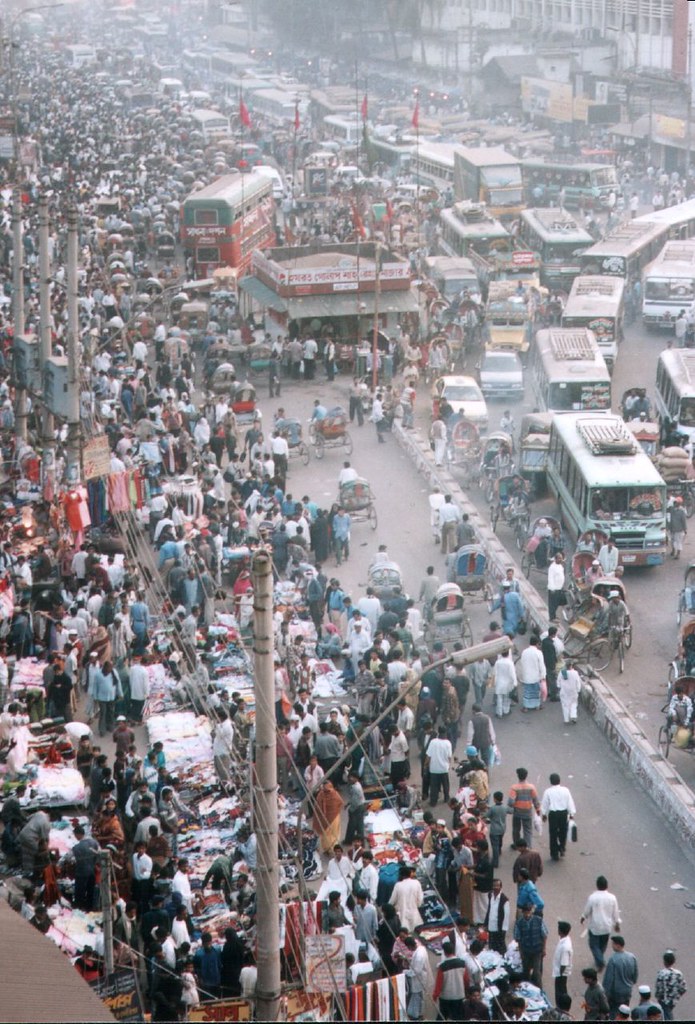
Bangladesh threat has become a pressing issue as Nahid Islam discusses the BJP minister’s alarming statements. This situation requires careful consideration and strategic responses from India.
Understanding the Bangladesh threat
The geopolitical landscape in South Asia has been increasingly influenced by the Bangladesh threat, which raises significant concerns for neighboring India. Analysts argue that this threat is not only rooted in territorial disputes but also in the growing influence of external powers in the region.
Several factors contribute to the perception of this threat:
- Political Instability: Ongoing political challenges within Bangladesh could lead to instability that may spill over into India.
- Economic Competition: Bangladesh’s rapid economic growth has made it a competitor to India in various sectors.
- Security Concerns: The potential for extremist groups to exploit instability in Bangladesh poses a direct risk to Indian security.
- Geographical Position: Bangladesh’s location makes it a strategic point for trade and military movements, affecting Indian interests.
Experts emphasize the need for India to recognize these implications and develop strategies that not only address the Bangladesh threat but also foster stability and cooperation in the region. Strengthening diplomatic ties and enhancing economic partnerships could be key steps in mitigating this potential threat.
Nahid Islam’s perspective on the situation
Nahid Islam, a prominent political analyst, emphasizes the growing Bangladesh threat as a significant concern for India. He argues that the rising influence of extremist groups in Bangladesh poses risks not just to regional stability but also to India’s national security. Islam notes that the country’s political landscape is increasingly polarized, which can lead to an escalation of tensions.
In his recent commentary, he highlighted several key factors that contribute to this threat:
- Political Instability: The ongoing power struggles and lack of consensus among political parties create an environment conducive to radicalization.
- Cross-Border Terrorism: The potential for militant groups to use Bangladesh as a base for operations against India raises alarms.
- Economic Disparities: Rising economic challenges can lead to increased unrest, further fueling extremist ideologies.
Islam urges Indian policymakers to adopt a proactive approach, engaging diplomatically with Bangladesh to address these issues before they escalate into a larger crisis. He believes that understanding the Bangladesh threat is crucial for shaping a stable future in South Asia.
The role of the BJP in regional politics
The role of the BJP in regional politics has become increasingly significant amid the growing concerns surrounding the Bangladesh threat. As India navigates its foreign relations, the BJP’s stance on neighboring countries has often influenced its diplomatic strategies.
Analysts argue that the BJP’s approach is driven by a desire to strengthen national security while addressing potential risks posed by political instability in Bangladesh. The party’s leadership has been vocal about the implications that a destabilized Bangladesh could have on Indian border security and communal harmony.
Some key points regarding the BJP’s role include:
- Security Measures: The BJP has advocated for enhanced border security to prevent illegal immigration and potential threats from extremist groups.
- Diplomatic Engagement: The party has emphasized the need for stronger ties with Bangladesh to foster stability and cooperation.
- Domestic Politics: The BJP often leverages the Bangladesh threat in electoral campaigns to rally support based on nationalistic sentiments.
With these strategies, the BJP aims to mitigate risks associated with the Bangladesh threat while shaping its narrative in regional politics.
Implications for India-Bangladesh relations
The evolving Bangladesh threat poses significant implications for India-Bangladesh relations, which have historically been characterized by cooperation and mutual interests. However, recent political developments and rising tensions have begun to challenge this stability.
As the political landscape in Bangladesh shifts, India must navigate its diplomatic strategies carefully. The increasing influence of extremist factions within Bangladesh could lead to a more confrontational stance, affecting cross-border trade and security cooperation. The consequences of any instability in Bangladesh are likely to reverberate across India’s northeastern states, which share a porous border with its neighbor.
Moreover, public perception in Bangladesh regarding India’s involvement in domestic affairs may further complicate relations. Many Bangladeshis view Indian political maneuvers, particularly those related to the BJP’s statements, as intrusive. This sentiment has the potential to fuel anti-India narratives, leading to a deterioration of trust.
In light of these factors, India must adopt a nuanced approach that emphasizes dialogue and understanding. The goal should be to address the Bangladesh threat while reinforcing bilateral ties through mutual respect and cooperation, rather than allowing external factors to dictate the relationship.
Historical context of India-Bangladesh ties
The historical context of India-Bangladesh ties is marked by a complex interplay of shared culture, economic cooperation, and political tensions. Since Bangladesh’s independence in 1971, the relationship has experienced both collaboration and conflict.
Initially, India played a crucial role in supporting Bangladesh during its liberation struggle against Pakistan, fostering a sense of camaraderie between the two nations. However, as time progressed, various factors have strained this bond. Key issues include:
- Bilateral Trade: Despite significant trade ties, disparities have often created friction, with concerns over trade imbalances surfacing regularly.
- Border Management: The porous India-Bangladesh border has led to challenges in controlling illegal immigration and smuggling, creating security concerns for India.
- Political Dynamics: The rise of nationalist politics in both countries has sometimes pitted them against each other, particularly concerning the treatment of minority communities.
Today, the Bangladesh threat looms large, as both nations navigate their historical ties while addressing contemporary geopolitical challenges. Understanding this backdrop is essential for assessing future relations and regional stability.
Potential responses from India
In light of the growing Bangladesh threat, India faces several potential responses to address its national security concerns and maintain regional stability. Key strategies could include:
- Diplomatic Engagement: Strengthening diplomatic ties with Bangladesh through high-level talks and collaboration on security matters could help mitigate tensions and foster mutual understanding.
- Intelligence Sharing: Enhancing intelligence-sharing protocols between India and Bangladesh may aid in preemptively addressing any threats arising from extremist groups operating in the region.
- Border Security Enhancements: Increasing surveillance and security measures along the Indo-Bangladesh border could prevent illegal crossings and the influx of potential threats.
- Regional Cooperation: Initiating multilateral discussions with neighboring countries, such as Bhutan and Nepal, could create a united front against any external threats in South Asia.
- Public Awareness Campaigns: Educating the Indian populace about the complexities surrounding the Bangladesh threat may foster greater understanding and support for government actions.
By adopting a multifaceted approach, India can better navigate the challenges posed by the situation and ensure its national interests are safeguarded.
Future outlook for South Asia
The future outlook for South Asia remains uncertain, particularly in light of the ongoing Bangladesh threat. As regional dynamics shift, several factors will shape the geopolitical landscape.
Firstly, the rise of nationalist sentiments within Bangladesh could lead to increased tensions with neighboring countries. This may exacerbate existing issues related to migration, trade, and security. The potential for conflict over water resources, particularly the Teesta river, is another area of concern that could impact India-Bangladesh relations.
Moreover, the involvement of external powers in South Asia may complicate matters further. Countries such as China are increasing their influence in Bangladesh through economic investments and infrastructure projects. This could create a strategic dilemma for India, as it seeks to maintain its influence in the region.
Additionally, the internal political climate in India will play a crucial role in addressing the Bangladesh threat. The BJP’s approach to foreign policy, particularly regarding its neighbors, will have lasting implications for stability in South Asia.
- Increased regional cooperation may provide opportunities to mitigate threats.
- Strengthening diplomatic ties will be essential for peace and security.
- India must engage proactively to address the underlying issues.
By Ahron de Leeuw via Openverse