
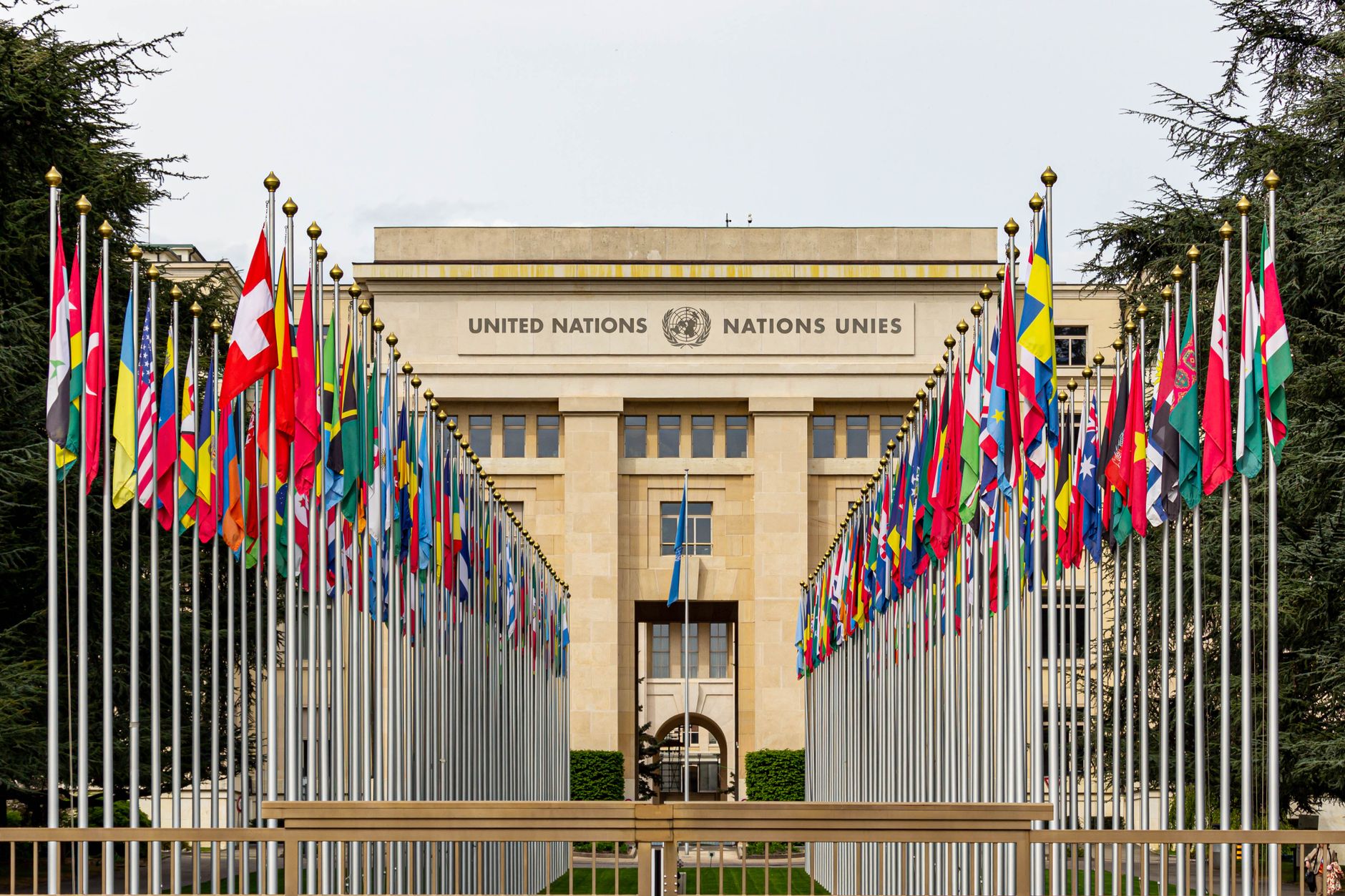
OHCHR remarks India have sparked controversy as India denies the allegations regarding detentions in Delhi. Officials claim these concerns are misplaced and provide clarity on the situation.
Background on OHCHR
The Office of the United Nations High Commissioner for Human Rights (OHCHR) has increasingly addressed various human rights issues around the globe, including those concerning India. Recent remarks from the OHCHR regarding detentions in Delhi have sparked significant debate. The organization has emphasized the importance of protecting civil liberties and ensuring that government actions align with international human rights standards.
India, on the other hand, has responded assertively to these remarks, categorizing them as misplaced concerns. Officials have reiterated that the country upholds democratic values and emphasizes the rule of law. The Indian government insists that all detentions are lawful and conducted in accordance with established procedures.
In light of the OHCHR remarks on India, several key points have emerged:
- International scrutiny: The remarks have drawn attention from various human rights advocates and organizations.
- Government response: India’s government has firmly denied any wrongdoing and continues to defend its practices.
- Implications for diplomacy: Such statements from the OHCHR may affect India’s international relations and its standing in global forums.
- Public perception: The ongoing dialogue between the OHCHR and India reflects broader concerns about human rights in democratic societies.
As the situation unfolds, the balance between national security and individual rights remains a critical issue.
India’s Official Statement
In response to the recent remarks made by the OHCHR regarding detentions in Delhi, the Indian government issued an official statement addressing the concerns raised. The statement strongly refuted the allegations put forth by the OHCHR, emphasizing that the claims were not only unfounded but also misrepresented the realities on the ground.
The Indian government outlined key points in its response:
- Legal Framework: The statement highlighted that all detentions carried out by law enforcement are conducted within the framework of Indian law, ensuring adherence to due process.
- Security Concerns: Authorities defended their actions by citing legitimate security concerns that necessitate certain measures to maintain public order.
- Dialogue and Engagement: The Indian government reiterated its commitment to dialogue and engagement with various stakeholders, affirming that it remains open to addressing any legitimate concerns through appropriate channels.
- Selective Reporting: The statement criticized the OHCHR for what it described as selective reporting, arguing that the organization failed to consider the broader context of the situation in India.
In conclusion, India’s official statement serves as a clear response to the OHCHR remarks, reinforcing the nation’s stance on its legal and security protocols while urging a more balanced perspective on the issues at hand.
International Reactions
The recent remarks by the OHCHR regarding human rights issues in India have elicited a variety of international reactions. While some countries support the OHCHR’s call for improved human rights practices, others have expressed skepticism about the validity of the concerns raised.
Several nations have issued statements highlighting the importance of dialogue and understanding in addressing human rights matters. Notably, a spokesperson for the European Union remarked, “We encourage India to engage constructively with OHCHR’s concerns to ensure the protection of all citizens’ rights.” This reflects a growing expectation for transparency and accountability in governance.
On the other hand, some countries have reiterated their confidence in India’s democratic framework. U.S. officials emphasized, “We believe India has robust mechanisms to address internal challenges and that engagement is more productive than criticism.” This statement aligns with India’s official position denying the OHCHR remarks, labeling the concerns as misplaced.
Human rights organizations have also weighed in, urging both the Indian government and the OHCHR to prioritize constructive dialogue. Amnesty International stated, “It is crucial for all parties to work together to resolve these issues amicably.” As the international community continues to monitor the situation, the OHCHR remarks on India remain a focal point of discussion in diplomatic circles.
Analysis of Detentions in Delhi
The recent remarks by the OHCHR regarding detentions in Delhi have sparked a significant debate on human rights practices in India. While the OHCHR emphasizes the need for accountability and transparency, India’s government has firmly rejected these claims, labeling them as misplaced concerns.
In analyzing the situation, it is crucial to consider various factors:
- Legal Framework: India has stringent laws governing detentions; however, critics argue that these laws are often misused, leading to arbitrary arrests.
- Human Rights Perspective: The OHCHR remarks highlight international concerns about the potential for human rights violations in the context of political dissent.
- Government’s Stance: Officials assert that detentions are necessary for maintaining public order and safety, thereby justifying their actions.
- Public Sentiment: A significant portion of the Indian populace supports the government’s approach, viewing it as essential in combating terrorism and unrest.
The dichotomy between the OHCHR remarks and India’s official response underscores a broader tension between international human rights advocacy and sovereign governance. As both sides continue to assert their positions, the situation in Delhi remains a focal point for discussions on the balance between security and individual rights.
Human Rights Concerns
The recent remarks from the Office of the United Nations High Commissioner for Human Rights (OHCHR) regarding the situation in India have sparked significant debate. While the OHCHR expressed concerns over detentions in Delhi, India has firmly rejected these assertions, labeling them as misplaced. The Indian government emphasizes that its actions are in accordance with national laws and reflect a commitment to maintaining public order.
Human rights organizations have pointed to several incidents where they believe the rights of individuals have been compromised. Critics argue that the detentions may infringe upon fundamental freedoms, raising alarms about the treatment of dissenting voices. However, the Indian administration maintains a stance that prioritizes security and social stability.
In response to the OHCHR remarks, officials have reiterated that the judiciary in India operates independently, ensuring that legal processes are upheld. The government argues that the international community must recognize the complexities involved in governance and law enforcement, particularly in a diverse nation like India.
As discussions continue, it is essential to consider multiple perspectives. While the OHCHR remarks on India have brought human rights concerns to the forefront, the counterarguments highlight the importance of national security and the rule of law. Moving forward, dialogue between India and international bodies may provide a pathway to address these pressing issues.
What This Means for India
The recent remarks made by the OHCHR regarding India have sparked significant discussions both domestically and internationally. These comments, which India has labeled as misplaced concerns, highlight the delicate balance the nation must maintain between upholding human rights and ensuring national security. The ongoing situation in Delhi, particularly concerning detentions, has brought these issues to the forefront.
For India, the OHCHR remarks serve as a reminder of its obligations under international human rights law. While the government has firmly defended its actions, the international attention indicates the need for transparency and dialogue. The implications of these remarks are multifaceted:
- Diplomatic Relations: The response from India may influence its relationships with other nations, especially those that prioritize human rights in their foreign policy.
- Domestic Reactions: Public sentiment may be affected as citizens and activists respond to the international scrutiny of the government’s actions.
- Policy Adjustments: The remarks could prompt India to reconsider certain policies and practices to align more closely with global human rights standards.
Ultimately, the OHCHR remarks on India are a call for reflection and dialogue, urging the nation to navigate these complex issues with care and consideration for both security and human rights.
Future Implications
The recent OHCHR remarks on India have sparked a debate that could have significant future implications for human rights discourse in the region. As the international community closely monitors the situation, India’s response may shape its diplomatic relationships and influence future engagements with various global organizations.
With organizations like the OHCHR emphasizing the importance of human rights, the Indian government faces the challenge of balancing national security with the need for accountability. This tension may lead to a reassessment of policies related to detentions and civil liberties, especially in politically sensitive areas. The government’s insistence that the OHCHR remarks are misplaced suggests a commitment to its current stance, but it also signals a potential isolation from international norms.
Furthermore, ongoing scrutiny could encourage civil society groups within India to amplify their advocacy for human rights. In this context, the effects of the OHCHR’s statements may lead to increased awareness and mobilization among citizens, prompting a demand for greater transparency and reform.
In summary, the OHCHR remarks on India are not merely a matter of diplomatic rhetoric; they could set the stage for evolving human rights practices and influence the nation’s approach to governance in the years to come.
Public Opinion on the Matter
The recent remarks made by the Office of the United Nations High Commissioner for Human Rights (OHCHR) regarding detentions in Delhi have sparked significant public discourse across India. Many citizens are expressing various viewpoints on the matter, reflecting a diverse spectrum of opinions.
Supporters of the government’s stance argue that the OHCHR remarks on India do not accurately represent the on-ground realities. They believe that the concerns raised by the international body are misplaced and fail to recognize India’s commitment to maintaining law and order while respecting human rights. These individuals emphasize the importance of national sovereignty and the need to address issues within the context of India’s unique sociopolitical landscape.
Conversely, human rights advocates and activists are voicing their apprehensions, indicating that the OHCHR’s remarks highlight genuine issues that need addressing. They argue that the detentions in Delhi reflect a troubling trend of suppressing dissent, which could have lasting implications for democracy in India.
- Public sentiment appears divided: Some view the government’s actions as protective, while others see them as repressive.
- Social media is abuzz: Many are sharing their views, leading to heated debates online.
- Calls for accountability: Advocates urge for greater transparency and adherence to human rights standards.
This polarized public opinion underscores the complexity of the situation and indicates that the conversation surrounding the OHCHR’s remarks will likely continue to evolve.
The recent OHCHR remarks India have sparked a dialogue on human rights practices in the region. Many are closely analyzing the implications of the OHCHR remarks India for future policy decisions.
Photo by Hugo Magalhaes on Pexels