
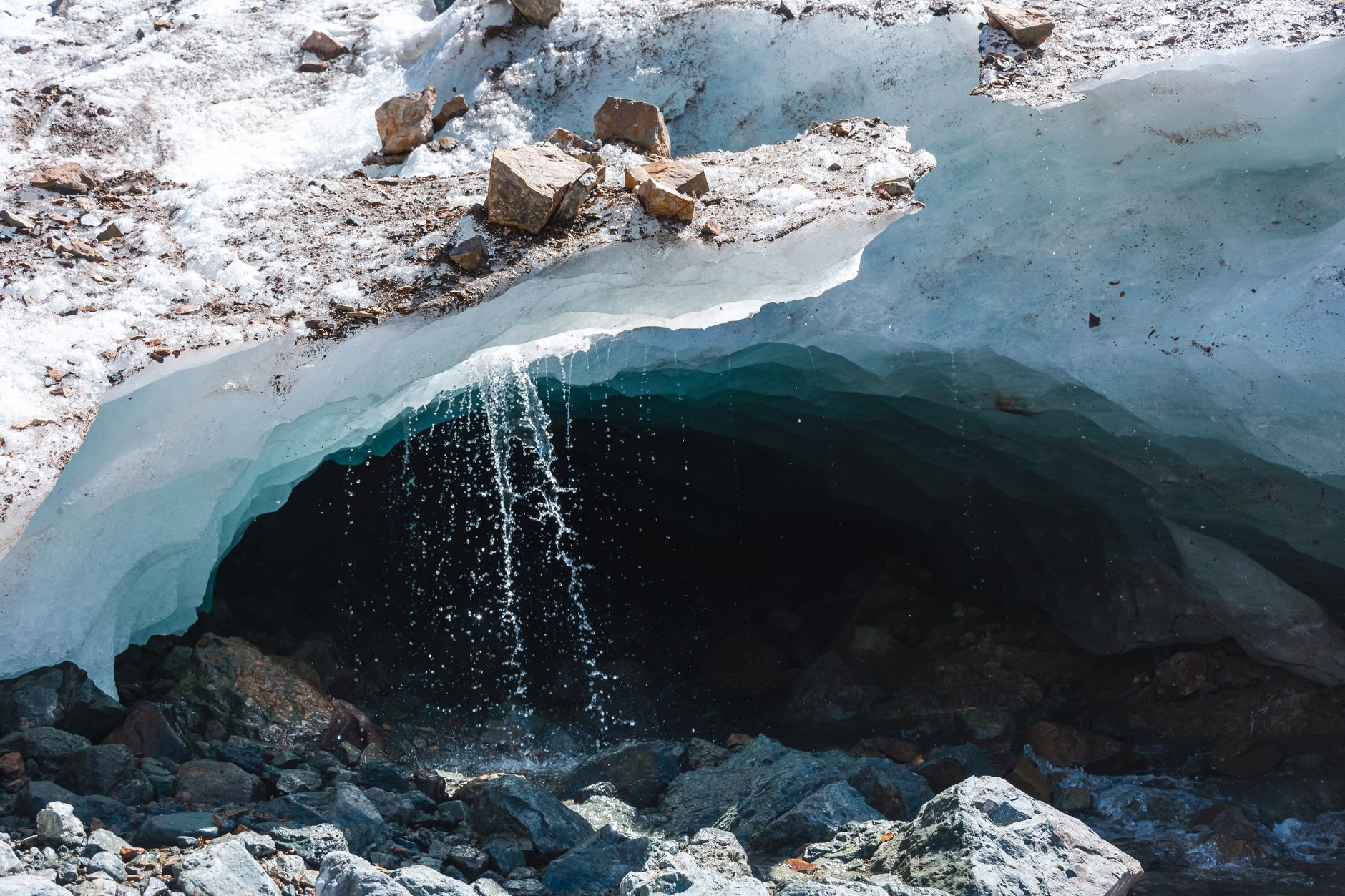
Antarctic snow melt is being accelerated by penguin poop, according to a recent study. This surprising finding highlights the complex interactions between wildlife and climate change in the region.
How Penguin Poop Affects Snow Melt
Recent studies have highlighted an unexpected factor contributing to Antarctic snow melt: penguin poop. This organic material, rich in nutrients, is altering the albedo effect of the snow, causing it to absorb more sunlight and accelerate melting.
When penguins gather in large colonies, their droppings accumulate, creating patches of nutrient-rich soil that can significantly change the surrounding environment. The dark color of the feces contrasts sharply with the white snow, which leads to an increase in heat absorption. As a result, these areas of snow melt at a faster rate than the surrounding ice.
The effects of this phenomenon are not isolated to the immediate vicinity of the colonies. The increased snow melt can contribute to rising sea levels and disrupt local ecosystems. As the snow melts more rapidly, it releases freshwater into the ocean, which can affect oceanic currents and marine life.
Environmental scientists are concerned that as penguin populations have grown, particularly in regions like Antarctica, the impact of their waste on snow melt will intensify. Further research is necessary to fully understand the implications of Antarctic snow melt driven by biological factors such as penguin poop.
In summary, while penguins are often seen as a charming symbol of the Antarctic, their contribution to snow melt poses serious questions about climate change and its broader effects on the region.
The Science Behind the Study
Recent research has shed light on the surprising consequences of penguin poop on the Antarctic ecosystem. The study, conducted by a team of climate scientists, investigates how fecal matter from penguins contributes to the phenomenon of Antarctic snow melt.
The scientists focused on two primary factors to understand the impact of penguin droppings:
- Biological Activity: Penguin colonies are concentrated in specific areas, leading to high levels of fecal accumulation. This concentration of nutrients alters the snow’s composition, making it darker and more susceptible to melting.
- Microbial Communities: The presence of organic material in penguin poop fosters the growth of microbial communities. These microbes, in turn, produce heat through metabolic processes, further accelerating the snow melt.
Additionally, the research highlights that as the Antarctic snow melt progresses, it creates a feedback loop. The melting snow exposes darker surfaces, which absorb more sunlight and raise local temperatures. This cycle not only threatens the penguin populations but also impacts the broader climate system.
The findings emphasize the intricate connections within ecosystems and how seemingly minor factors like penguin poop can lead to substantial changes, illustrating the worst proven impact of penguin poop on Antarctic snow melt.
Implications for Climate Change
The recent findings regarding the impact of penguin poop on Antarctic snow melt raise significant implications for climate change. Researchers have observed that the nutrient-rich droppings of penguins can accelerate snow melt, leading to alterations in the region’s delicate ecosystem. As the Antarctic snow melt progresses, it can contribute to rising sea levels, which poses a threat to coastal communities worldwide.
Furthermore, the study highlights the interconnectedness of wildlife and climate systems. The presence of penguins, while seemingly innocuous, plays a crucial role in shaping the landscape of Antarctica. The nutrients released through their excrement stimulate the growth of algae, which in turn affects the albedo effect—the ability of snow and ice to reflect sunlight. A decrease in albedo due to increased algae growth can result in further snow melt, creating a feedback loop that exacerbates climate change.
Additionally, the implications extend beyond Antarctica. Changes in snow melt patterns can influence global ocean currents and weather systems, highlighting the far-reaching impacts of local ecological changes. As scientists continue to study the effects of Antarctic snow melt and its connection to wildlife, it becomes increasingly clear that protecting these species is vital for maintaining climate stability.
Understanding these dynamics is essential for informing conservation strategies and climate policies aimed at mitigating the effects of global warming.
Wildlife and Environmental Interactions
The interactions between wildlife and their environment are complex and can have significant implications for ecosystems. In the Antarctic, penguins play a pivotal role in the landscape through their natural behaviors, particularly in relation to snow melt. Recent studies have indicated that Antarctic snow melt is being accelerated by the accumulation of penguin guano, which enriches the soil and alters the thermal properties of snow.
This phenomenon highlights how wildlife can inadvertently impact their habitat. The guano deposited by large penguin colonies serves as a nutrient-rich fertilizer, promoting the growth of algae and other vegetation. While this may initially appear beneficial, it creates a darker surface that absorbs more sunlight, leading to increased melting of the surrounding snow.
Furthermore, the effects of this snow melt extend beyond the immediate area. As the snow cover diminishes, it can influence local climate patterns and disrupt the balance of marine ecosystems. The melting snow contributes to rising sea levels, posing risks to coastal communities and habitats.
In the broader context, understanding these interactions is crucial for predicting future environmental changes. The findings serve as a reminder of the interconnectedness of species and their habitats, with Antarctic snow melt serving as a stark indicator of how wildlife can shape their environment in unexpected ways.
Future Research Directions
As researchers continue to explore the complex interactions between wildlife and climate change, future studies on Antarctic snow melt will focus on several key areas. These investigations aim to deepen our understanding of how biological factors, such as penguin populations, influence environmental conditions.
- Long-term monitoring: Establishing comprehensive monitoring programs will allow scientists to track changes in penguin populations and their direct effects on snow melt rates over time.
- Geographic variations: Future research should investigate how different regions of Antarctica are affected by penguin poop, considering factors like local climate conditions and varying penguin densities.
- Microbial activity: Studies could delve into the role of microbes in breaking down penguin waste. Understanding these processes may reveal additional insights into how nutrient input accelerates snow melt.
- Impact on ecosystems: It is crucial to examine how accelerated snow melt, influenced by penguin excrement, affects surrounding ecosystems, including flora and other fauna that rely on stable snow cover.
By addressing these areas, researchers can provide more comprehensive insights into the implications of penguin poop on Antarctic snow melt and contribute to a broader understanding of climate change dynamics in polar regions.
Understanding Antarctic Ecosystems
Antarctic ecosystems are uniquely adapted to the harsh conditions of the continent, featuring a delicate balance of flora and fauna that has evolved over millions of years. Among the most iconic inhabitants are the penguins, which play a critical role in this environment. Their activities significantly impact the surrounding ecosystem, particularly through their waste. The recent study highlighting the connection between Antarctic snow melt and penguin poop reveals how this organic material contributes to changes in the landscape.
Penguin colonies generate large amounts of waste, which enriches the soil and promotes the growth of various plant species. This process, while beneficial in some aspects, also leads to unintended consequences. As the waste accelerates the melting of snow, it alters the reflective properties of the ice. This melting not only affects local wildlife but also has broader implications for global sea levels.
In addition to penguins, other species in the Antarctic contribute to the complexity of this ecosystem. Each organism plays a role, whether directly or indirectly, in maintaining the balance necessary for survival in such a challenging habitat. Understanding these interactions is crucial for anticipating the effects of climate change and the future of the Antarctic region.
Future studies will be essential to unraveling the intricate dynamics of these ecosystems and their responses to ongoing environmental shifts.
Photo by Ivan Stecko on Pexels
Sources
Tropical Storm Rachel: Worst Weather Weekend Ahead · Is Trump’s beef gamble the worst business decision ever? · World Space Week: Is It the Best Celebration of Space Events?