
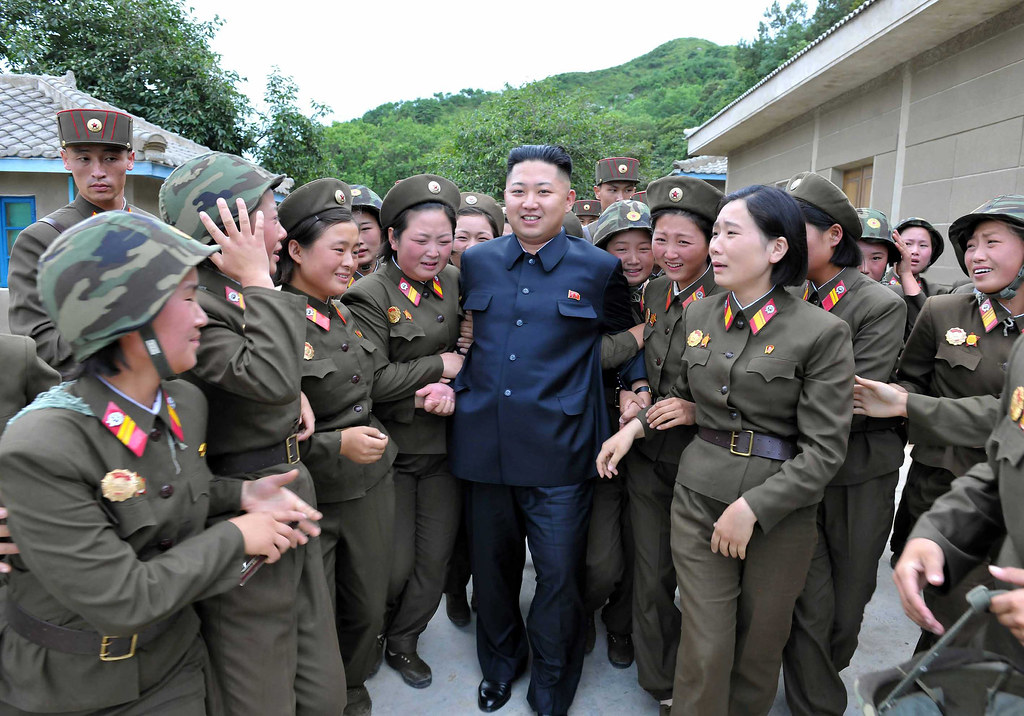
Kim Jong Un China visit marks a significant moment in diplomatic relations. The newly opened bridge symbolizes a potential thaw in North Korea’s international ties.
Background of Kim Jong Un’s Visit
Recently, North Korean leader Kim Jong Un embarked on a significant diplomatic trip to China, marking a notable moment in the ongoing relationship between the two nations. This visit comes in the wake of a newly opened bridge that facilitates easier travel between North Korea and China, symbolizing a strengthening of ties. The Kim Jong Un China visit underscores the importance of regional alliances in a rapidly changing geopolitical landscape.
The backdrop to this visit is marked by heightened tensions in the Korean Peninsula, as North Korea continues to navigate its position amidst international scrutiny. Kim’s journey to China not only serves to bolster bilateral relations but also aims to showcase North Korea’s commitment to maintaining strategic partnerships. It is widely believed that discussions during this visit may revolve around trade, security, and potential diplomatic maneuvers regarding denuclearization talks.
In the past, Kim Jong Un has made similar trips to China, seeking Chinese support and economic collaboration. During this latest visit, experts speculate that the North Korean leader will aim to leverage China’s influence to strengthen his own regime while addressing pressing domestic issues.
As the world watches closely, the implications of this visit could reverberate far beyond the borders of North Korea and China, impacting broader international relations and security dynamics.
The Significance of the New Bridge
The recent visit of Kim Jong Un to China via the newly opened bridge marks a significant development in regional diplomacy. This infrastructure not only facilitates smoother travel between the two nations but also symbolizes a strengthening of ties amidst ongoing geopolitical tensions.
Several factors highlight the importance of this new bridge:
- Economic Cooperation: The bridge streamlines trade between North Korea and China, allowing for increased exchange of goods and services. This could lead to an uplift in North Korea’s economy, which has been heavily affected by sanctions.
- Diplomatic Channels: By visiting China, Kim Jong Un demonstrates a willingness to engage with his neighbor, suggesting a desire for dialogue and collaboration. This visit, particularly via the new bridge, signifies a commitment to maintaining open lines of communication.
- Strategic Alliances: The bridge enhances military and strategic cooperation, allowing for potential joint exercises and a united front against common threats. This could alter the balance of power in the region.
- Cultural Exchange: The new bridge is expected to foster greater cultural exchanges, enabling a deeper understanding between the peoples of North Korea and China.
Overall, Kim Jong Un’s visit to China via this newly opened bridge underscores the significance of his diplomatic efforts and the potential for improved relations between the two countries.
Reactions from Global Leaders
Global leaders have expressed a variety of reactions to the recent Kim Jong Un China visit, highlighting the implications for regional stability and international diplomacy. Many analysts view this visit as a strategic maneuver aimed at strengthening ties between North Korea and China amidst ongoing tensions in the Korean Peninsula.
The United States has cautiously monitored the situation, with officials emphasizing the importance of continued dialogue. A spokesperson for the State Department stated, “We are looking closely at how this visit may affect the balance of power in East Asia.”
In contrast, South Korea has voiced concern regarding the potential for increased North Korean aggression as a result of bolstered support from China. South Korean President Yoon Suk-yeol remarked, “We must remain vigilant and prepared for any developments that may arise from this meeting.”
China, on the other hand, has welcomed Kim’s visit as a reaffirmation of their partnership. Chinese President Xi Jinping reiterated his commitment to fostering stability in the region, emphasizing, “We will work together to find pathways to peace and mutual development.”
Meanwhile, Japan has expressed its apprehension, with Prime Minister Fumio Kishida stating that such visits can lead to a more dangerous security environment. Overall, the international community is closely watching the ramifications of the Kim Jong Un China visit and its effect on future diplomatic engagements.
Impact on North Korea-China Relations
The recent Kim Jong Un China visit marks a pivotal moment in the evolving relationship between North Korea and China. This trip, facilitated by the newly opened bridge, symbolizes not only enhanced connectivity but also a deepening of diplomatic ties. As both nations face international scrutiny, their alliance is increasingly significant in the geopolitical landscape.
Historically, China has been North Korea’s most essential ally, providing economic support and political backing. With Kim Jong Un’s visit, this relationship appears to be solidifying further. Observers note that a stronger North Korea-China partnership can serve as a counterbalance to Western influence in the region, particularly from the United States and its allies.
The implications of this visit extend beyond mere symbolism. Analysts suggest that closer cooperation might lead to increased trade and investment opportunities for North Korea, which has been struggling under the weight of international sanctions. Furthermore, this enhanced relationship could lead to joint initiatives addressing mutual concerns, such as security and economic development.
In conclusion, the Kim Jong Un China visit signifies a strategic alignment that may reshape regional dynamics. As both nations navigate their respective challenges, their continued collaboration could bolster their positions on the global stage, ultimately affecting international relations in Asia and beyond.
Historical Context of Their Relationship
The historical context of the relationship between North Korea and China is essential to understanding the implications of Kim Jong Un’s recent visit. For decades, China has been North Korea’s most significant ally and trading partner, providing economic support and diplomatic backing.
Since the end of the Korean War in 1953, the two countries have maintained a complex alliance characterized by both cooperation and tension. While China has often provided essential aid to North Korea, it has also expressed frustration with Kim Jong Un’s nuclear ambitions, which have at times threatened regional stability.
In recent years, the dynamics of their relationship have evolved. The historic summit between Kim Jong Un and US President Donald Trump in 2018 shifted the geopolitical landscape, prompting China to enhance its role as a mediator. This new bridge, which facilitated Kim’s visit, symbolizes a renewed commitment to strengthening bilateral ties.
Moreover, the COVID-19 pandemic has impacted their interactions, with border closures significantly affecting trade. Kim Jong Un’s visit to China serves not only as a diplomatic gesture but also as a signal of solidarity amidst growing global pressures. As both nations navigate their interests, understanding the intricacies of their historical relationship is crucial for analyzing the outcomes of Kim Jong Un’s China visit.
Future Prospects for Diplomacy
The recent Kim Jong Un China visit has opened new avenues for diplomatic engagement in the region, prompting analysts to speculate on future developments. As both nations strengthen their ties, several key factors could shape the trajectory of their relationship.
- Increased Economic Cooperation: With North Korea’s economy struggling under sanctions, a closer alliance with China could provide much-needed resources and investment. This partnership may lead to joint infrastructure projects and trade agreements that benefit both countries.
- Security Dynamics: The evolving security landscape in East Asia, particularly concerning the United States’ presence, may encourage North Korea and China to collaborate more closely. Their united front could shift regional power balances, influencing how other nations perceive military threats.
- Potential for Diplomatic Engagement: Kim Jong Un’s willingness to engage with China could pave the way for renewed dialogues with the international community. By demonstrating a commitment to diplomacy, North Korea might seek to ease tensions and explore denuclearization discussions.
- Influence on Regional Allies: The strengthening of North Korea-China relations may affect other alliances in the region. Countries like South Korea and Japan might need to reconsider their strategies in response to this developing partnership.
As these elements unfold, the implications of the Kim Jong Un China visit will be closely monitored by global leaders and analysts alike.
Conclusion: What This Means for the Region
The recent Kim Jong Un China visit highlights a significant shift in diplomatic relations that could have lasting effects on the region. As North Korea continues to navigate its position on the global stage, this trip symbolizes a stronger alliance with China, bolstering economic and military ties between the two nations.
This visit underscores the importance of dialogue in addressing pressing regional issues, such as denuclearization and economic stability. By strengthening their partnership, both countries aim to counterbalance the influence of the United States and its allies in East Asia. Observers believe that a united front might embolden North Korea to pursue a more assertive foreign policy.
Furthermore, the implications extend beyond the immediate borders of North Korea and China. Neighboring countries, including South Korea and Japan, are likely to reassess their security strategies in light of this growing alliance. The diplomatic landscape of the region may shift, prompting new alliances and potentially escalating tensions.
Ultimately, the Kim Jong Un China visit serves as a reminder of the intricate web of relationships that define East Asian geopolitics. As both nations look to enhance cooperation, the international community will be closely monitoring the developments that arise from this pivotal moment in history.
The recent Kim Jong Un China visit is seen as a strategic maneuver to strengthen ties between the two nations. Analysts believe that this Kim Jong Un China visit could pave the way for more diplomatic discussions in the region.
By vnmobiography via Openverse
Sources
Related stories
Muzaffarpur latest news: VIP Elections and Scandal Exposed · Pirelli Calendar India: Is It the Best Break from Stereotypes? · NVIDIA RTX Spark laptops: Best Proven Performance Unleashed