
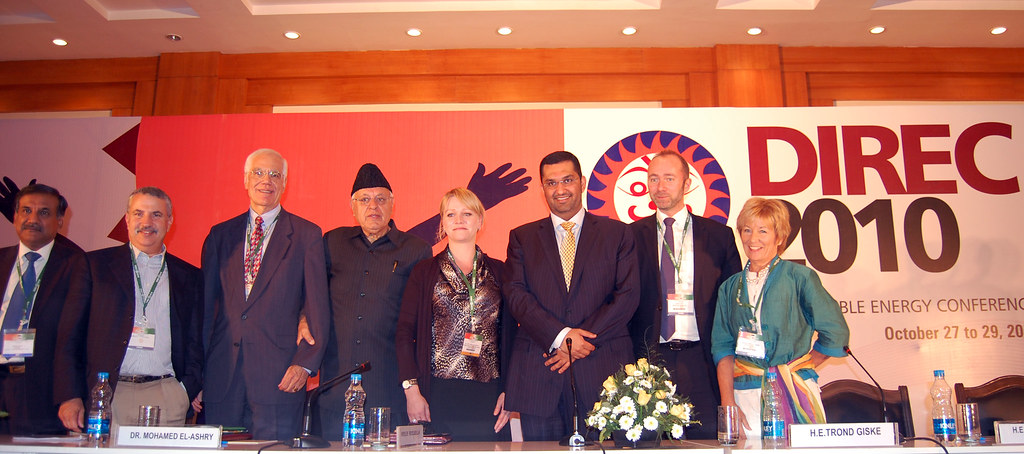
Farooq Abdullah remarks have stirred significant controversy, particularly regarding his comments on Pakistan and Kashmiris. The BJP is now calling for an apology, highlighting the political tensions surrounding the issue.
Background on Farooq Abdullah
Farooq Abdullah, a prominent politician and former Chief Minister of Jammu and Kashmir, has a long history of advocating for the rights and interests of the people in his region. His recent remarks have sparked controversy, particularly concerning his views on Pakistan and the aspirations of Kashmiris. Abdullah has often emphasized the need for dialogue and reconciliation in addressing the complex issues surrounding Kashmir.
His statements have drawn both support and condemnation, illustrating the polarized nature of political discourse in India regarding Kashmir. Critics, particularly from the Bharatiya Janata Party (BJP), have demanded an apology for what they perceive as an affront to national integrity. They argue that his comments undermine the sacrifices made by Indian soldiers and the broader narrative of national unity.
Supporters of Abdullah, however, argue that his remarks reflect a genuine concern for the plight of Kashmiris, who have endured decades of conflict and instability. The ongoing debate surrounding Farooq Abdullah’s remarks highlights the delicate balance between national pride and the yearning for peace and resolution in a region fraught with historical tensions.
- Farooq Abdullah’s political legacy
- The role of dialogue in conflict resolution
- Public reactions to his recent comments
Understanding Kashmir’s Political Landscape
The political landscape of Kashmir has been historically complex, marked by decades of conflict and a struggle for identity. Recently, Farooq Abdullah’s remarks regarding Pakistan and the aspirations of Kashmiris have reignited debates within the region and across India. His comments highlight the ongoing tensions between various political factions and the central government.
Abdullah, a prominent leader of the National Conference, has often advocated for a peaceful resolution to the Kashmir issue. His statements reflect a broader sentiment among certain groups that favor dialogue over confrontation. However, this approach has not been without its critics. The Bharatiya Janata Party (BJP) has responded vehemently, calling for Abdullah to apologize for his comments, which they perceive as undermining India’s sovereignty.
The reactions to Abdullah’s remarks reveal a deep divide in public opinion. Supporters argue that his perspective is essential for understanding the aspirations of Kashmiris, while opponents claim it compromises national integrity. As discussions continue, the situation remains fluid, with potential implications for both local governance and national policy.
Ultimately, Farooq Abdullah’s remarks serve as a reminder of the fragile political fabric in Kashmir, where every statement can spark significant controversy.
BJP’s Response to the Remarks
The recent remarks made by Farooq Abdullah have ignited a wave of controversy, drawing sharp reactions from various political factions, particularly the Bharatiya Janata Party (BJP). In response to Abdullah’s statements regarding Pakistan and the situation in Kashmir, BJP leaders have publicly condemned his comments, labeling them as irresponsible and detrimental to national interests.
Senior BJP spokespersons have called for an immediate apology from Abdullah, asserting that his remarks undermine the sacrifices made by Indian soldiers and the ongoing efforts to maintain peace in the region. They argue that such statements could embolden anti-India sentiments and provide fodder for separatist narratives.
During a press conference, a BJP leader emphasized the need for unity in addressing the challenges faced by Kashmir, stating that politicians should refrain from making statements that could be interpreted as siding with adversarial forces. Furthermore, they urged local leaders to recognize the delicate balance of security in the region.
As the controversy unfolds, it remains to be seen how Farooq Abdullah will respond to the backlash, with many observers keenly watching for potential ramifications in the political landscape of Kashmir. The situation underscores the sensitivity surrounding discussions of Kashmir and the complexities involved in regional politics.
Public Reaction to Abdullah’s Statements
The recent Farooq Abdullah remarks have ignited a significant public backlash, with various sections of society expressing their opinions on social media platforms and in public forums. Many netizens have taken to Twitter and Facebook to voice their disagreement, labeling Abdullah’s statements as irresponsible and inflammatory.
Supporters of the former Chief Minister argue that his comments were taken out of context and that he has consistently advocated for peace and dialogue in Kashmir. They believe that his intention was to highlight the plight of the Kashmiri people rather than to provoke controversy.
On the other hand, critics claim that such remarks could jeopardize the fragile situation in the region. Some political analysts warn that statements perceived as sympathetic to Pakistan might embolden separatist sentiments among the youth. As a result, the demand for an apology from Abdullah has gained momentum, particularly among BJP supporters, who feel that his words undermine national unity.
The controversy surrounding these remarks has opened up a broader conversation about the need for responsible political discourse in Kashmir, where emotions run high and public sentiment can quickly shift.
Historical Context of India-Pakistan Relations
The historical context of India-Pakistan relations is essential to understanding the significance of Farooq Abdullah’s remarks. The partition of British India in 1947 led to the creation of two sovereign states, India and Pakistan, accompanied by mass migration and communal violence. The subsequent claims over the Kashmir region have been a central point of contention, resulting in several wars and ongoing military skirmishes.
Since then, both nations have engaged in numerous dialogues and agreements aimed at resolving the conflict, yet the situation remains volatile. The Line of Control (LoC) continues to separate the two sides, with frequent violations and skirmishes reported. The Kashmir issue has not only strained bilateral relations but has also influenced domestic politics within India, as seen in the varied responses to Farooq Abdullah’s recent comments.
Efforts to bring peace have often been complicated by rhetoric from political leaders. Abdullah’s remarks on Pakistan and the status of Kashmiris have reignited debates about the historical grievances and the need for dialogue. Such statements can easily polarize public sentiments, particularly in a politically charged atmosphere, further complicating an already delicate situation.
The Role of Kashmiris in the Debate
The recent Farooq Abdullah remarks have ignited a crucial debate surrounding the role of Kashmiris in the ongoing political discourse. As tensions rise, many are questioning how the perspectives of local communities are being represented in national conversations.
Kashmiris, who have long been at the center of the conflict, possess unique insights that are often overlooked. Their voices reflect a complex tapestry of experiences, aspirations, and grievances that are essential for understanding the region’s dynamics. The emphasis on local narratives is critical, as it brings to light the nuanced reality faced by the people in Kashmir.
Furthermore, the involvement of Kashmiris in discussions related to their future is paramount. A few key points outline their importance:
- Cultural Identity: Kashmiris have a rich cultural heritage that shapes their identity and influences their political stance.
- Local Governance: Engaging Kashmiris in governance can lead to more effective solutions tailored to their unique challenges.
- Peacebuilding: Promoting dialogue among Kashmiris can pave the way for reconciliation and long-term peace.
In light of Abdullah’s controversial statements, the need for inclusive dialogue is more pressing than ever.
Implications for Future Political Discourse
The recent Farooq Abdullah remarks have ignited a significant debate about the future of political discourse in India, particularly concerning Kashmir. As political leaders grapple with the implications of these statements, several key areas warrant attention.
- Polarization of Opinions: Abdullah’s comments have further polarized opinions among different political factions, making it increasingly challenging to find common ground. This division may hinder constructive dialogue on sensitive issues.
- Impact on Election Strategies: Political parties might recalibrate their strategies as they respond to the backlash from Abdullah’s remarks. The BJP, for instance, is likely to leverage this controversy to consolidate its voter base.
- Influence on Kashmir’s Image: The remarks could affect how Kashmiris are perceived both domestically and internationally. A narrative that frames Kashmiris in a negative light could impede progress towards peace and reconciliation.
- Encouragement for Open Dialogue: Conversely, this controversy may prompt some leaders to advocate for more open dialogue about Kashmir, encouraging discussions that address the region’s complexities rather than simplifying them.
Ultimately, the fallout from Farooq Abdullah’s remarks may shape the trajectory of political discourse in India, especially regarding Kashmir.
Conclusion and Next Steps
The recent Farooq Abdullah remarks have ignited significant controversy, drawing reactions from various political factions and the public alike. As the political landscape in Kashmir continues to evolve, these statements have underscored the need for a deeper dialogue about the region’s future. The ongoing debate highlights the complexities surrounding Kashmir’s relationship with both India and Pakistan, emphasizing the necessity for a comprehensive understanding of local sentiments.
In light of the backlash, it is imperative for Abdullah and other political leaders to engage in constructive discussions that address the concerns of all stakeholders. Moving forward, several key steps should be considered:
- Encouraging Dialogue: Foster open conversations between political leaders, civil society, and local communities.
- Promoting Understanding: Focus on educational initiatives that aim to bridge gaps in perceptions about the Kashmir issue.
- Addressing Grievances: Create platforms for Kashmiris to voice their concerns effectively and constructively.
- Seeking Compromise: Work towards mutually agreeable solutions that respect the sentiments of both India and Pakistan.
As the situation develops, it remains to be seen how these remarks will shape future political discourse in the region.
The Farooq Abdullah remarks have ignited a heated debate among political analysts and the public alike. Many are questioning the implications of the Farooq Abdullah remarks on the current political landscape.
By NHD-INFO via Openverse
References
You might also like
Kim Jong Un China visit: A Smart Move for Diplomacy · Muzaffarpur latest news: VIP Elections and Scandal Exposed · Pirelli Calendar India: Is It the Best Break from Stereotypes?