
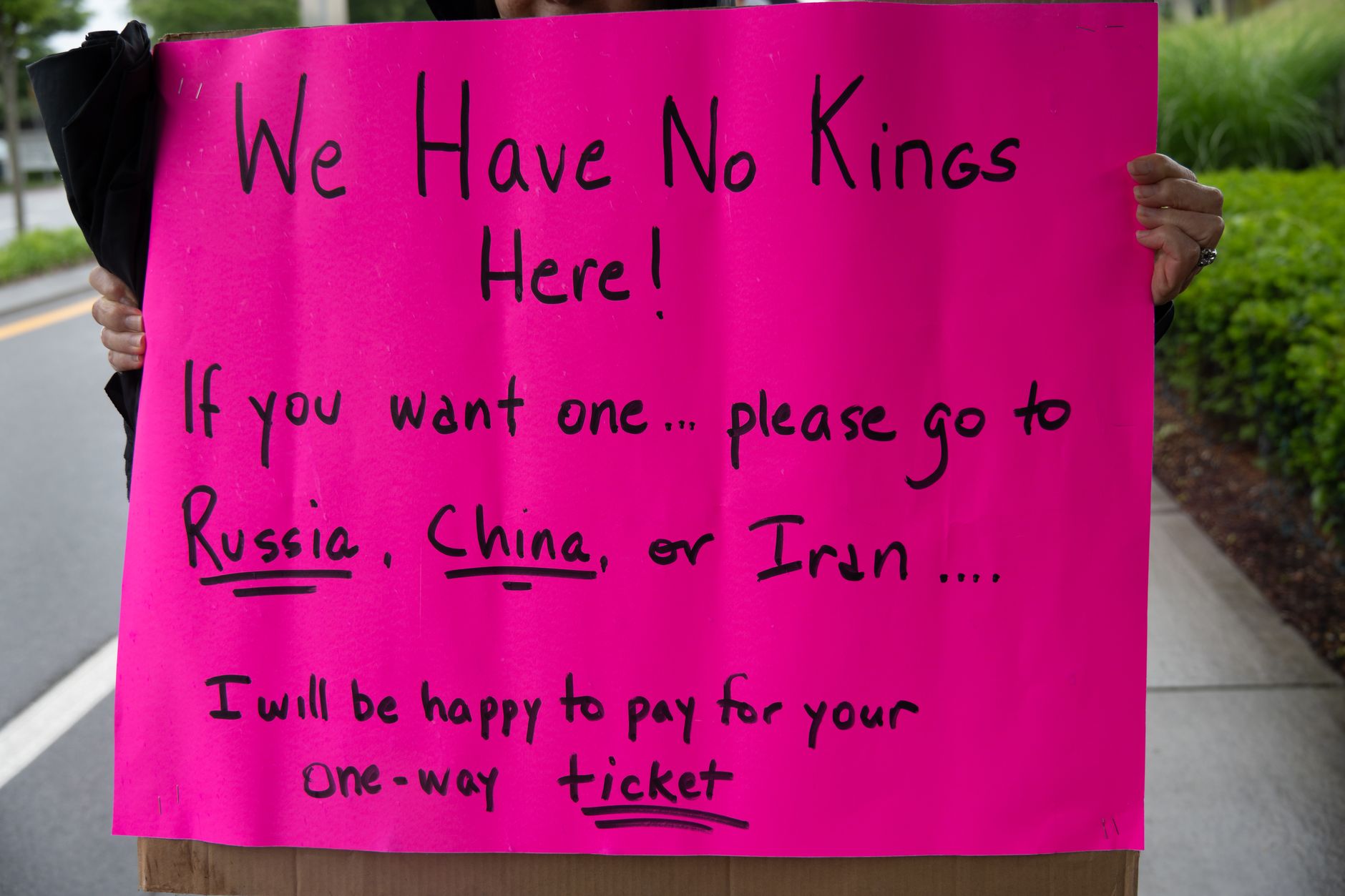
Iran conditions to Trump reveal the intricate negotiations that could redefine US-Iran relations. As tensions escalate, these demands present significant challenges for American diplomacy.
Understanding Iran’s Demands
In a significant escalation of tensions, Iran has outlined a series of demands that it insists the U.S. must meet for any potential reconciliation with the Trump administration. These conditions highlight the complexities of U.S.-Iran relations and the challenges facing American diplomacy.
Iran’s conditions reflect deep-seated grievances and strategic interests that the Iranian leadership believes must be acknowledged. The key demands include:
- End Sanctions: Iran calls for the immediate lifting of all economic sanctions imposed by the U.S., which have severely impacted its economy.
- Respect for Sovereignty: Tehran insists on the recognition of its sovereignty and the cessation of U.S. military interventions in the region.
- Nuclear Deal Resumption: Iran demands the U.S. return to the Joint Comprehensive Plan of Action (JCPOA) and recommit to its terms.
- Non-Interference: The Iranian government seeks assurances against U.S. interference in its domestic affairs and regional policies.
- Support for Regional Allies: Iran expects the U.S. to halt support for groups and nations opposing its interests in the Middle East.
These conditions underscore the seriousness of Iran’s stance and the hurdles that lie ahead for any diplomatic efforts under the Trump administration. As both sides navigate these demands, the path to diplomacy remains fraught with challenges.
The Impact on US-Iran Relations
The recent announcement of Iran’s conditions to Trump has sent shockwaves through the diplomatic landscape, significantly impacting US-Iran relations. As tensions continue to escalate, these conditions may serve as a litmus test for future negotiations between the two nations.
One of the primary effects of Iran’s demands is the potential for increased hostility. The insistence on specific terms suggests that Iran is not willing to engage in open dialogue without firm guarantees. This hardline approach could further strain an already fragile relationship, complicating diplomatic efforts.
Additionally, the conditions put forth by Iran may limit the options available to the US government. As Trump weighs his response, he must balance the need for national security with the desire to avoid further escalation. The implications of this decision could resonate beyond the bilateral relationship, influencing US alliances in the region.
Moreover, the conditions to Trump highlight the broader geopolitical chess game in which both nations are entrenched. The US’s response will undoubtedly be scrutinized by allies and adversaries alike, potentially reshaping perceptions of American diplomacy.
In summary, the impact of Iran’s conditions to Trump underscores the complexities of US-Iran relations and poses significant challenges for US diplomacy moving forward. As both sides navigate this tumultuous landscape, the stakes have never been higher.
Historical Context of US-Iran Diplomacy
The diplomatic relationship between the United States and Iran has been fraught with tension and conflict since the mid-20th century. The roots of this complex relationship can be traced back to key historical events that have shaped both nations’ perspectives.
One of the pivotal moments was the 1953 CIA-backed coup that overthrew Iran’s democratically elected Prime Minister Mohammad Mossadegh. This action not only fostered resentment towards the United States but also laid the groundwork for future hostilities. The 1979 Iranian Revolution, which resulted in the establishment of the Islamic Republic, further strained relations as the U.S. embassy in Tehran was stormed and American diplomats were taken hostage.
Since then, diplomatic efforts have been sporadic and often unsuccessful. Various administrations in Washington have approached Iran with differing strategies, ranging from outright hostility to attempts at negotiation. However, the underlying issues, including Iran’s nuclear ambitions and its regional influence, have persisted as significant hurdles.
In recent discussions, Iran has laid out specific conditions to Trump, which highlights the ongoing challenges faced by U.S. diplomacy in the region. These conditions reflect not only Iran’s demands but also the historical grievances that continue to complicate any potential reconciliation between the two nations. The current state of affairs underscores how deeply rooted these tensions are and the difficulty in finding common ground.
Responses from US Officials
In response to Iran’s recent announcement of conditions to Trump, US officials have expressed a mix of skepticism and caution. Many believe that Iran’s demands are a strategic maneuver aimed at gaining leverage in future negotiations. Secretary of State Antony Blinken remarked, “We are aware of Iran’s conditions and are evaluating the implications for our diplomatic approach.” He emphasized the importance of a unified international front in addressing Iran’s regional activities and nuclear ambitions.
Several senior lawmakers echoed Blinken’s sentiments, suggesting that Iran’s conditions may reflect a desire to distract from internal issues. Senator Bob Menendez stated, “Iran seems to be playing a game of smoke and mirrors. It’s crucial for us to remain steadfast and not be swayed by their tactics.” This sentiment resonates with many in the US government, who view the conditions as a challenge to US diplomacy.
On the other hand, some officials argue for a more diplomatic approach. Representative Ilhan Omar asserted, “Engagement is necessary. If we dismiss Iran’s conditions outright, we risk escalating tensions further.” This debate highlights the complexities of US-Iran relations, especially as both sides navigate a landscape filled with historical grievances and contemporary challenges.
As the situation evolves, it remains to be seen how the US will respond to Iran’s conditions to Trump and the potential implications for future diplomacy.
Future Implications for Global Politics
The recent conditions set by Iran to Trump present a significant challenge not only for US diplomacy but also for the broader landscape of global politics. As tensions escalate, the implications of these demands could reshape alliances and influence international relations profoundly.
Firstly, the conditions outlined by Iran may lead to a reevaluation of diplomatic strategies among major world powers. Countries that have historically aligned with the US may find themselves in a difficult position, having to balance their relationships with both the US and Iran. This could result in:
- Shifts in Alliances: Nations may reconsider their support for US policies, especially if they perceive Iran’s conditions as legitimate or achievable.
- Increased Regional Tensions: Iran’s demands could provoke reactions from neighboring countries, particularly those wary of its influence, leading to a more volatile Middle East.
- Economic Ramifications: Global markets may react negatively to the uncertainty surrounding US-Iran relations, affecting oil prices and trade agreements.
Moreover, the situation could embolden other nations to adopt similar tactics, demanding concessions in exchange for cooperation on various global issues, ranging from nuclear proliferation to climate change. In essence, Iran’s conditions to Trump may not only redefine US-Iran relations but also set a precedent that challenges the conventional dynamics of international diplomacy.
The recent escalation in tensions highlights the significance of Iran conditions to Trump as a pivotal factor in shaping U.S. foreign policy. Understanding these Iran conditions to Trump is crucial for any diplomatic efforts moving forward.
Photo by Beth Fitzpatrick on Pexels