
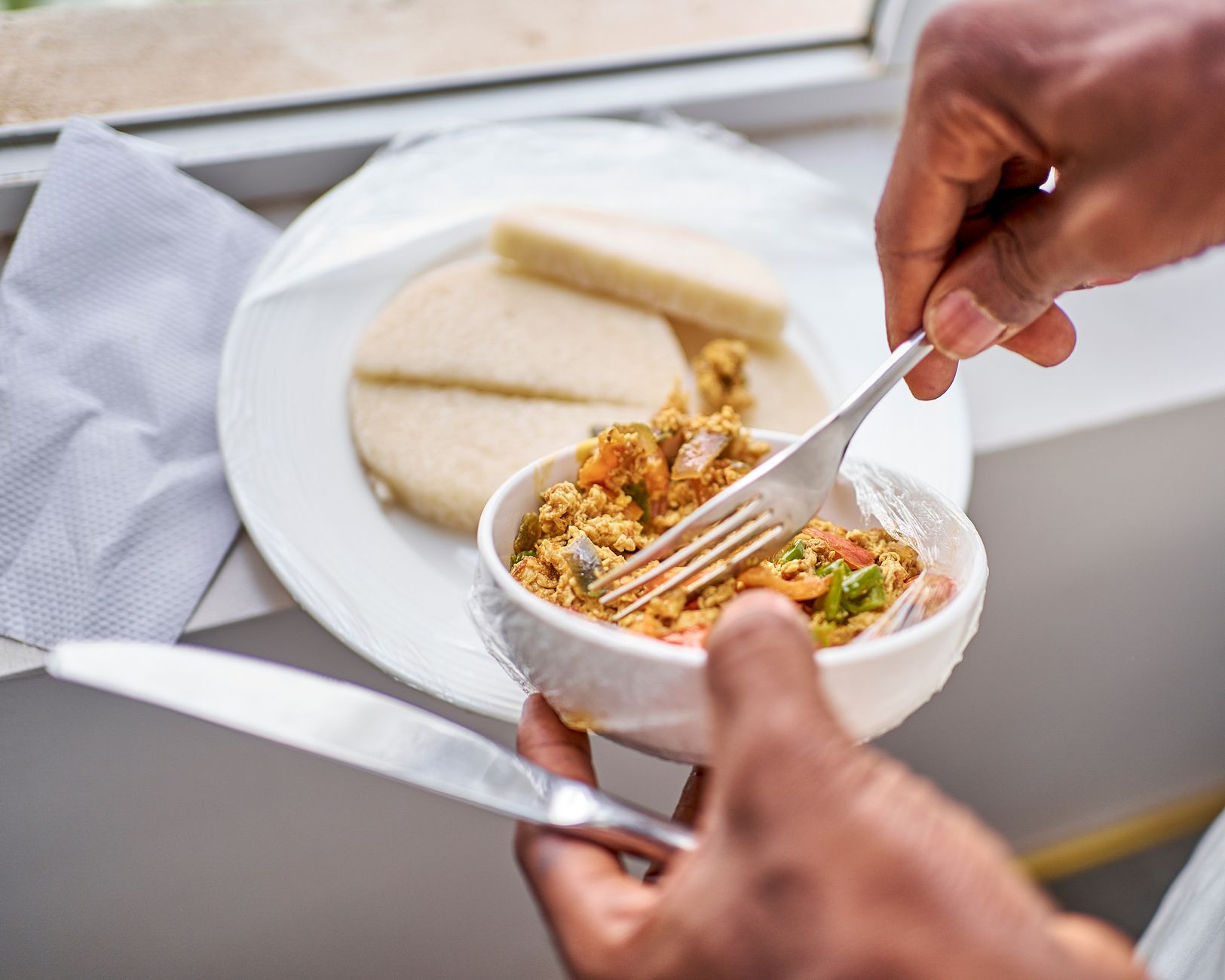
MK Stalin Breakfast Scheme has been revitalized by Vijay, who gives it a new identity. This initiative aims to provide nutritious meals to those in need.
Overview of the MK Stalin Breakfast Scheme
The MK Stalin Breakfast Scheme is an initiative aimed at providing nutritious meals to school children in Tamil Nadu. Launched with the intention of addressing malnutrition and ensuring that students start their day with a healthy breakfast, the scheme has garnered significant attention since its inception.
Under this program, children attending government schools receive free breakfast, which is designed to include a variety of wholesome ingredients. The meals are prepared with a focus on nutritional value and taste, ensuring that the children not only benefit from the food but also enjoy it.
Key features of the MK Stalin Breakfast Scheme include:
- Targeting students from economically disadvantaged backgrounds.
- Collaboration with local communities and organizations for meal preparation.
- Regular evaluations to improve the quality of meals provided.
This initiative is seen as a vital step towards enhancing educational outcomes, as proper nutrition is linked to better concentration and academic performance among young learners.
Vijay’s New Approach Explained
Vijay, an emerging leader in the state’s educational reform, has introduced a fresh perspective on the MK Stalin Breakfast Scheme. His innovative approach aims to enhance the existing framework while addressing some of the challenges faced in its implementation.
One of the key elements of Vijay’s strategy is to incorporate local and seasonal ingredients into the breakfast menu. This not only supports local farmers but also ensures that the meals provided to children are nutritious and culturally relevant.
Additionally, Vijay plans to involve parents and community members in the preparation and distribution of meals. This initiative fosters a sense of ownership and accountability, encouraging local participation in school programs.
Furthermore, Vijay emphasizes the importance of nutritional education. He aims to integrate workshops into the scheme, teaching children about healthy eating habits and the benefits of a balanced diet.
Through these modifications, Vijay’s new initiative builds upon the foundation laid by the MK Stalin Breakfast Scheme, potentially setting a benchmark for future educational programs across the state.
Benefits of the Breakfast Scheme
The MK Stalin Breakfast Scheme has garnered attention for its potential to positively impact the lives of children and families in Tamil Nadu. Several benefits have emerged since its implementation.
- Nutritional Improvement: The scheme aims to provide nutritious meals to school children, ensuring they receive essential vitamins and minerals necessary for their growth and development.
- Increased School Attendance: By offering breakfast, the initiative encourages more children to attend school regularly, thereby improving overall educational outcomes.
- Support for Working Parents: The Breakfast Scheme alleviates the burden on parents who may struggle to provide morning meals, allowing them to focus more on their jobs.
- Community Involvement: Local communities are encouraged to participate in the program, fostering a sense of unity and collaboration towards a common goal.
As discussions continue around its effectiveness, many argue that the MK Stalin Breakfast Scheme is a step in the right direction, addressing critical issues related to child nutrition and education.
Public Response to the Initiative
The public response to the MK Stalin Breakfast Scheme has been largely positive, with many praising the initiative for its potential to improve children’s health and education. Parents and educators have expressed their appreciation for the program, noting that it helps to ensure that children start their day with a nutritious meal.
Feedback from various community members highlights several key points:
- Health Benefits: Many believe that a healthy breakfast can significantly enhance children’s focus and concentration in school.
- Accessibility: The scheme has made it easier for low-income families to provide nutritious meals for their children, reducing the burden on parents.
- Community Support: Local businesses and organizations have shown interest in supporting the initiative, helping to expand its reach.
- Long-Term Impact: Advocates argue that the MK Stalin Breakfast Scheme could lead to better academic performance over time, creating a more educated workforce.
Despite some concerns regarding implementation and funding, the overall sentiment indicates that the MK Stalin Breakfast Scheme is a step in the right direction for child welfare and education in the region.
Comparison with Other Welfare Programs
The MK Stalin Breakfast Scheme stands out among various welfare programs due to its unique approach to addressing child nutrition and education. Unlike traditional schemes that often focus solely on monetary assistance, this initiative directly provides nutritious meals to school-going children, which can significantly impact their learning and overall well-being.
When comparing the MK Stalin Breakfast Scheme to other welfare programs, several key differences emerge:
- Target Audience: The Breakfast Scheme specifically targets school children, whereas many welfare initiatives cater to a broader demographic.
- Nutritional Focus: Emphasizing health and education, the scheme integrates nutrition into the educational framework, which is less common in other programs.
- Implementation: The scheme relies on local partnerships with schools and communities, promoting local engagement and ownership, unlike many centralized welfare efforts.
- Outcomes Measurement: The success of the MK Stalin Breakfast Scheme can be measured through improvements in school attendance and academic performance, providing a direct correlation between nutrition and education.
These distinctions highlight the innovative nature of the MK Stalin Breakfast Scheme within the landscape of welfare programs.
Challenges Faced by the Scheme
The MK Stalin Breakfast Scheme has garnered significant attention, but it is not without its challenges. As the initiative aims to provide nutritious meals to school children, several obstacles have surfaced that could hinder its effectiveness.
- Budget Constraints: Funding the scheme has proven to be a daunting task, with financial limitations impacting the quality and quantity of meals provided.
- Implementation Issues: There are inconsistent reports regarding the distribution of meals, leading to concerns about whether all targeted students are receiving their breakfast consistently.
- Quality Control: Ensuring the nutritional quality of the meals remains a challenge. There have been instances of subpar food, raising questions about the health benefits intended by the MK Stalin Breakfast Scheme.
- Awareness and Participation: Some parents and children remain unaware of the scheme, resulting in lower participation rates. This can diminish the initiative’s overall impact on child health and education.
- Logistical Challenges: The infrastructure required to transport and serve meals efficiently is often lacking, causing delays and inconsistencies.
Future of the Breakfast Initiative
The future of the MK Stalin Breakfast Scheme looks promising as it continues to evolve and adapt to the needs of the community. With an increasing number of schools participating, the initiative aims to reach more children, providing them with essential nutrition to enhance their learning experience.
Future plans include expanding the menu to include a wider variety of healthy options, ensuring that dietary preferences and restrictions are considered. This could potentially lead to better acceptance and increased participation among students.
Furthermore, collaborations with local farmers and suppliers are being explored to promote sustainability and support the local economy. These partnerships not only ensure fresh ingredients but also bolster community engagement.
However, challenges such as funding and logistics remain critical factors that could impact the scheme’s sustainability. Continuous assessment and feedback from stakeholders will be essential in refining the program.
As the initiative continues to gain traction, it may serve as a model for similar programs across the country, reinforcing the importance of addressing child nutrition and education holistically.
Conclusion and Takeaways
In conclusion, the MK Stalin Breakfast Scheme has emerged as a significant initiative aimed at addressing childhood nutrition and educational outcomes. As various stakeholders evaluate its impact, several key takeaways can be identified.
- Positive Reception: Public response has largely been favorable, with many recognizing the potential of the scheme in reducing hunger among schoolchildren.
- Vijay’s Adaptation: The new approach introduced by Vijay builds on the foundational principles of the original scheme, aiming to enhance its effectiveness and reach.
- Challenges Persist: Despite its benefits, the program faces logistical challenges and funding constraints that need to be addressed for sustainability.
- Comparative Advantage: When compared to other welfare programs, the Breakfast Scheme stands out for its focused approach on nutritional support, which is crucial for cognitive development.
- Future Prospects: The scheme’s future will depend on ongoing public support and the ability to adapt to emerging challenges in implementation.
Overall, the MK Stalin Breakfast Scheme represents a promising step towards ensuring no child goes hungry, fostering a healthier future generation.
Photo by mk_photoz on Pexels
References
Related reading
Multi-coloured object Tehran: The Real Mystery Unveiled · Trump Coverage Boycott: The Clear Impact on Media Trust · India’s Schedule At Asian Games: Best Proven Highlights