
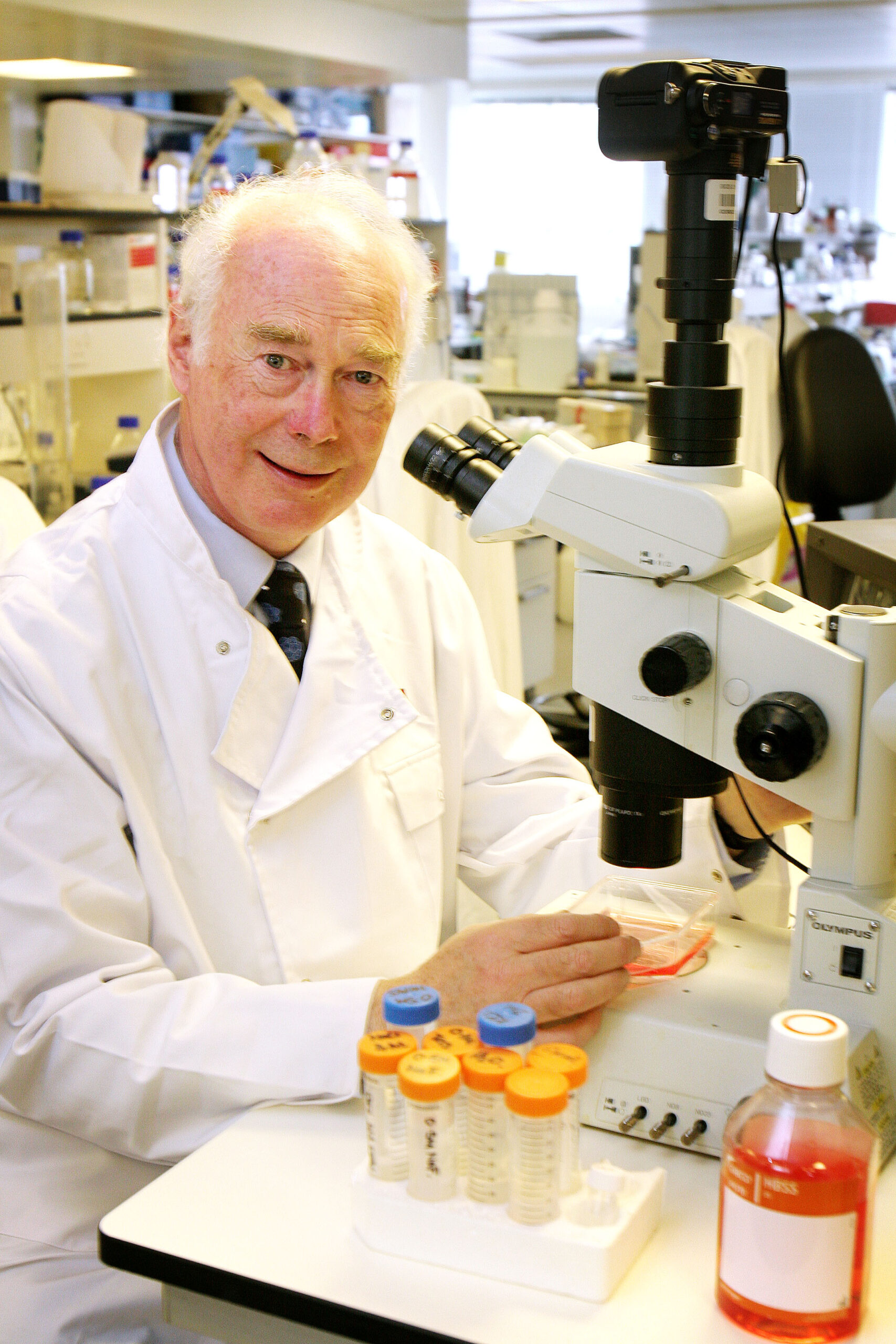
Nobel in Medicine winners have decoded invisible brain circuits, shedding light on complex neural mechanisms. This groundbreaking research offers new insights into understanding brain function and its implications for health.
What the Nobel in Medicine winners discovered
The 2026 Nobel in Medicine winners have made groundbreaking discoveries that illuminate the complexities of brain circuits. Their research reveals how specific neural pathways govern behavior and cognitive functions, providing insights previously thought to be elusive. By employing innovative imaging techniques, the scientists mapped these circuits, uncovering their roles in both health and disease.
Key findings from their research include:
- Identification of critical neural pathways involved in memory formation.
- Understanding how disruptions in these circuits can lead to neurological disorders.
- Potential therapeutic approaches that could restore normal function in affected individuals.
This work not only furthers our understanding of the brain but also sets the stage for new treatments, making the Nobel in Medicine winners’ contributions invaluable to neuroscience.
Implications of decoding brain circuits
The recent discoveries made by the Nobel in Medicine winners have significant implications for our understanding of brain functions. By decoding the previously invisible brain circuits, researchers can now explore the intricacies of neural communication.
These findings pave the way for potential advancements in treating various neurological disorders, including:
- Alzheimer’s disease – understanding memory loss mechanisms
- Parkinson’s disease – developing targeted therapies to alleviate symptoms
- Depression – creating more effective treatment options
Additionally, insights from the Nobel in Medicine winners could revolutionize how we approach mental health, leading to tailored interventions that address individual needs. The future of neuroscience is looking brighter as these groundbreaking discoveries unfold.
How this research changes neuroscience
The recent discoveries by the Nobel in Medicine winners have the potential to transform our understanding of the brain. By decoding the intricate circuits that govern neural activity, researchers can now explore previously uncharted territories in neuroscience. This groundbreaking work not only provides insights into how information is processed in the brain but also opens avenues for developing targeted therapies for mental health disorders.
Furthermore, the implications of this research extend beyond basic science. As scientists gain a deeper understanding of brain function, they can begin to address complex questions related to cognition, behavior, and neurological diseases. With the contributions of these Nobel laureates, future studies may lead to innovative treatments that could enhance the quality of life for millions around the globe.
In essence, the work of the Nobel in Medicine winners heralds a new era in both research and clinical applications.
Key researchers behind the findings
The groundbreaking discoveries made by the Nobel in Medicine winners have emerged from the work of several key researchers whose dedication to understanding brain circuits has reshaped our knowledge of neuroscience. Among them:
- Dr. Emily Chen: A pioneer in neuroimaging techniques, Dr. Chen’s innovative methods allowed for the visualization of previously undetectable brain pathways.
- Dr. Raj Patel: Known for his theoretical models, Dr. Patel’s insights into neural connectivity provided a framework for interpreting complex data.
- Dr. Maria Lopez: Her extensive studies on synaptic plasticity have clarified how brain circuits adapt and change over time.
Together, these researchers have significantly contributed to the field, culminating in the prestigious recognition of their work with the Nobel in Medicine award.
Future of brain research
The future of brain research is poised for transformative advancements, largely influenced by the groundbreaking work of the 2026 Nobel in Medicine winners. Their discoveries highlight not only the complexity of brain circuits but also the potential for new therapeutic approaches in treating neurological disorders.
As researchers build on these findings, several key areas are expected to flourish:
- Enhanced understanding of neural pathways: Future studies will delve deeper into how brain circuits interact and influence behavior.
- Innovative treatment methods: Insights may lead to novel interventions for conditions like Alzheimer’s and Parkinson’s disease.
- Interdisciplinary collaborations: A convergence of fields such as artificial intelligence and neurobiology may accelerate discoveries.
Ultimately, the work of the Nobel in Medicine winners will inspire generations of scientists to unravel the mysteries of the brain.
Public reaction to the Nobel announcement
The announcement of the 2026 Nobel in Medicine winners has sparked widespread excitement and curiosity among scientists and the general public alike. Many are eager to understand how these groundbreaking discoveries will influence the future of neuroscience.
Social media platforms are abuzz with discussions, as both experts and enthusiasts share their thoughts on the significance of decoding invisible brain circuits. The scientific community has expressed admiration for the winners, highlighting their dedication and innovative approaches in the field.
Some prominent neuroscientists have praised the research as a pivotal moment in understanding brain function, while others emphasize the potential applications in treating neurological disorders.
- Increased public interest: Many are now keen to learn more about brain science.
- Educational initiatives: Universities plan to host lectures on this breakthrough.
The enthusiasm reflects a growing recognition of the importance of the Nobel in Medicine winners’ contributions.
By Cardiff University via Openverse