
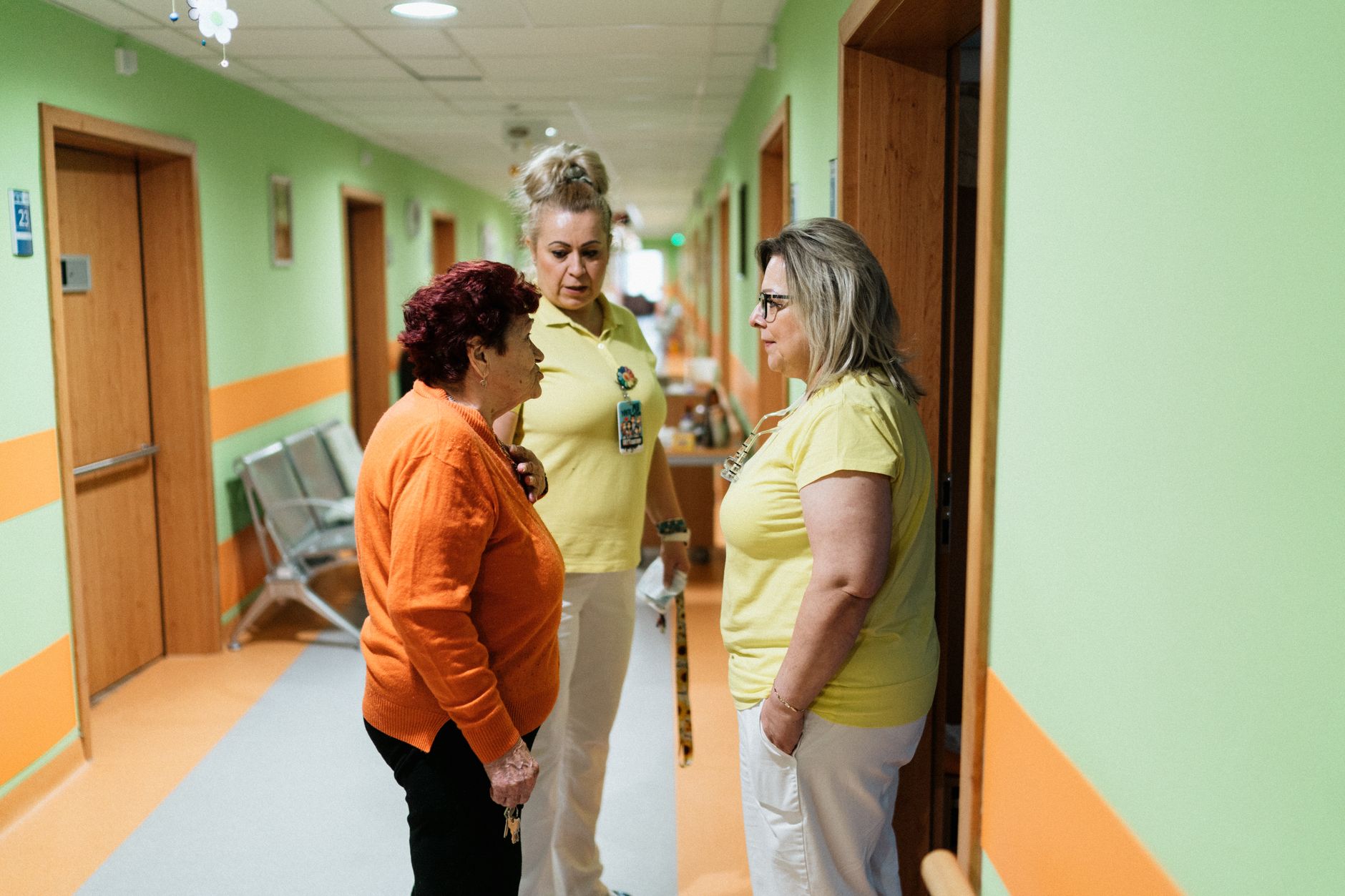
Switzerland’s healthcare sector continues to depend on qualified professionals who can provide safe, compassionate, and reliable patient care across different settings. For professionals exploring Nursing jobs Switzerland (pflege jobs schweiz), the market offers opportunities in hospitals, rehabilitation facilities, residential care, outpatient services, and specialist healthcare environments. Nursing remains a profession where clinical knowledge, communication, adaptability, and responsibility are closely connected, making it an important part of the country’s healthcare system and its continuing workforce development.
Table of Contents
- Understanding the Nursing Employment Landscape
- Skills That Support Career Development
- Qualifications and Professional Preparation
- Workplace Environment and Career Expectations
- A Structured Approach to Finding a Role
- Building a Sustainable Nursing Career
Understanding the Nursing Employment Landscape
The Swiss nursing employment landscape includes a broad range of professional roles. Registered nurses may work in acute care, long-term care, rehabilitation, elderly care, mental health services, community nursing, or specialized departments. Each environment requires a different combination of technical skills and personal qualities.
Healthcare employers generally look for professionals who can work systematically while maintaining a patient-focused approach. The ability to observe changes in a patient’s condition, communicate effectively with medical teams, and document care accurately is central to professional nursing practice.
Skills That Support Career Development
Professional nursing requires more than clinical knowledge. Strong organizational skills are particularly important because nurses often coordinate several responsibilities during a working day. Prioritizing patient needs, maintaining accurate records, following care plans, and responding appropriately to changing situations are essential elements of effective practice.
Communication is another significant factor. Nurses interact with patients, relatives, physicians, therapists, and other healthcare professionals. Clear communication can support continuity of care and help create a respectful environment for patients.
Digital competence is also becoming increasingly relevant. Healthcare organizations use electronic documentation, scheduling systems, digital patient records, and other technologies to support daily operations. Professionals who are comfortable with modern workplace systems can adapt more effectively to changing healthcare environments.
Qualifications and Professional Preparation
Candidates should carefully review the professional requirements associated with the role they want to pursue. Depending on the position and educational background, recognition of qualifications may be an important part of the employment process.
Language skills can also influence workplace integration. Switzerland has several official languages, and healthcare professionals may encounter different linguistic requirements depending on the region. Strong communication in the relevant workplace language can help nurses communicate with patients and colleagues more confidently.
Professional development should remain an ongoing priority. Healthcare practices evolve as clinical knowledge, technology, and patient expectations change. Continuing education can therefore help nurses maintain relevant skills and prepare for broader responsibilities.
Workplace Environment and Career Expectations
A professional healthcare workplace should encourage teamwork, respectful communication, and consistent standards of care. Nurses often work as part of multidisciplinary teams, making cooperation an important part of daily responsibilities.
Job seekers should evaluate factors such as working schedules, responsibilities, professional development opportunities, workplace culture, and the type of patient population before accepting a position. Understanding these elements can help candidates identify roles that match their qualifications and long-term professional goals.
A Structured Approach to Finding a Role
A focused job search can make the employment process more efficient. Candidates should maintain an updated CV that clearly presents education, professional experience, certifications, language abilities, and relevant areas of expertise. Applications should also demonstrate an understanding of the position rather than relying on generic statements.
Healthcare professionals can review suitable vacancies through dedicated employment platforms and organize opportunities according to location, specialization, and professional requirements. This approach makes it easier to compare roles and concentrate on positions that genuinely fit an individual’s career direction.
Building a Sustainable Nursing Career
Nursing careers can develop in many directions. Experience gained in direct patient care may create pathways toward specialized clinical responsibilities, coordination roles, education, or other areas of healthcare practice. Career progression often depends on experience, continued learning, professional interests, and the ability to adapt to changing workplace needs.
For candidates considering a future in Swiss healthcare, preparation and realistic expectations are essential. A strong professional profile, appropriate qualifications, effective communication, and a commitment to patient-centered care can provide a solid foundation for long-term employment. By approaching the search strategically and evaluating each opportunity carefully, nursing professionals can identify roles that support both meaningful patient care and sustainable professional development.
What You Need to Know
- Switzerland’s healthcare sector relies on qualified professionals to provide safe and reliable patient care in various settings.
- Nursing roles in Switzerland encompass areas such as acute care, long-term care, rehabilitation, and mental health services.
- Effective communication, organizational skills, and digital competence are crucial for success in the nursing profession.
- Language skills are important for workplace integration in Switzerland’s multilingual healthcare environment.
- A structured job search involving an updated CV and targeted applications can enhance employment opportunities for nursing professionals.
- Career progression in nursing can lead to specialized responsibilities, education roles, or coordination positions, dependent on experience and continued learning.