
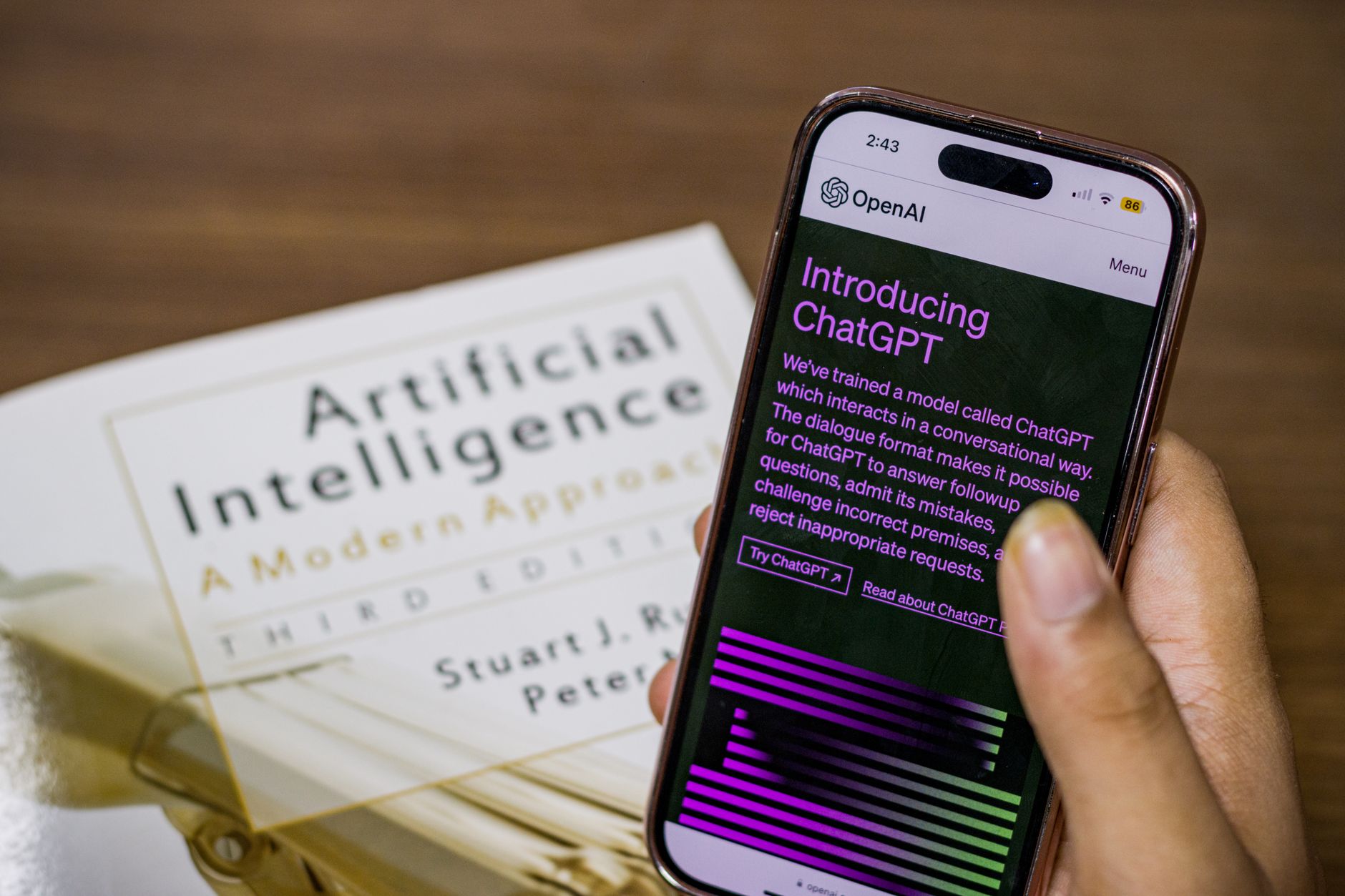
OpenAI lawsuit news highlights the legal action taken by eight US states, claiming that ChatGPT harms young users. This development raises significant concerns about the safety of AI technologies for children.
Overview of the OpenAI Lawsuit
The recent OpenAI lawsuit news has captured significant attention as eight US states have come together to file a lawsuit against the tech giant. The states allege that OpenAI’s popular AI model, ChatGPT, poses potential risks to young users. The lawsuit highlights concerns regarding the safety and impact of AI technologies on children and adolescents.
According to the filing, the states argue that ChatGPT can expose young users to inappropriate content and harmful information, which could negatively influence their mental health and well-being. The states involved in the lawsuit are seeking to hold OpenAI accountable for any adverse effects that may arise from the use of its AI products.
The lawsuit raises critical questions about the responsibilities of technology companies in safeguarding young users. There is an ongoing debate about the balance between innovation and user safety, particularly when it comes to vulnerable populations. As the case unfolds, many are watching closely to see how it will impact regulations surrounding AI and whether it will lead to stricter guidelines for companies like OpenAI.
The outcome of this lawsuit could have lasting implications for the future of AI technology and its role in society.
Claims from the Eight States
The recent OpenAI lawsuit news reveals significant claims made by eight US states against the technology company. These states allege that OpenAI’s ChatGPT poses risks to young users, raising concerns about its impact on mental health and overall wellbeing.
The states involved in the lawsuit include:
- California
- New York
- Illinois
- Massachusetts
- New Jersey
- Virginia
- Washington
- Connecticut
In their complaint, the states argue that ChatGPT can expose minors to harmful content and misinformation, leading to potential psychological distress. They emphasize the need for stricter regulations around AI applications that cater to younger audiences.
Furthermore, the lawsuit highlights the lack of adequate safeguards implemented by OpenAI to protect children from inappropriate interactions. The states are seeking both monetary damages and a commitment from OpenAI to enhance its content moderation practices.
This legal action marks a pivotal moment in the conversation about AI technology and its implications for young users, underscoring the urgency for responsible development and oversight in the industry.
Impact on Young Users
The ongoing OpenAI lawsuit news has raised significant concerns regarding the impact of artificial intelligence on young users. As the lawsuit unfolds, various experts are highlighting potential risks associated with the use of AI technologies like ChatGPT among children and teenagers.
Many believe that excessive exposure to AI-driven platforms can lead to:
- Misinformation: Young users may struggle to distinguish between accurate information and misleading content generated by AI.
- Dependency: There is a concern that relying on AI for homework or social interaction could hinder the development of critical thinking and interpersonal skills.
- Privacy Issues: Data collection practices may expose young users to privacy violations, raising alarms among parents and guardians.
As legal representatives argue the case, the implications for educational and social environments remain a focal point. Parents are urged to be vigilant in monitoring their children’s interactions with AI tools. This lawsuit not only seeks accountability but also prompts a broader discussion about the ethical responsibilities of AI developers in protecting vulnerable user groups.
Future of AI Regulations
As the OpenAI lawsuit news continues to unfold, the future of AI regulations is becoming increasingly important. Legal actions taken by the eight states highlight a growing concern regarding the safety and well-being of young users interacting with AI technologies. Experts argue that without comprehensive regulations, the potential for harm could escalate.
In the wake of this lawsuit, several key points have emerged regarding the regulation of AI:
- Establishing Standards: There is a pressing need for clear standards that govern the behavior of AI systems, particularly those designed for young audiences.
- Accountability Measures: Developers may be required to implement accountability measures to ensure that their products do not inadvertently cause harm.
- Transparency Requirements: Enhanced transparency in how AI models like ChatGPT function and are trained could help alleviate concerns from parents and educators.
- Ongoing Research: Continued research on the impacts of AI on youth will be essential in shaping future regulatory frameworks.
As the case progresses, it remains to be seen how these factors will influence the legislative landscape surrounding AI and its usage among vulnerable populations.
The OpenAI lawsuit news highlights the growing concerns surrounding the safety and privacy of young users in the digital space. As the case unfolds, many are left wondering about the potential implications of the OpenAI lawsuit news on future regulations and protections for minors online.
Photo by Sanket Mishra on Pexels
Read the original
Is the Xbox Nano Controller the Best Gaming Accessory? · Sony wireless microphone: Best audio quality with proven tech · Air France crew restrictions: The Wrong Move for Safety