
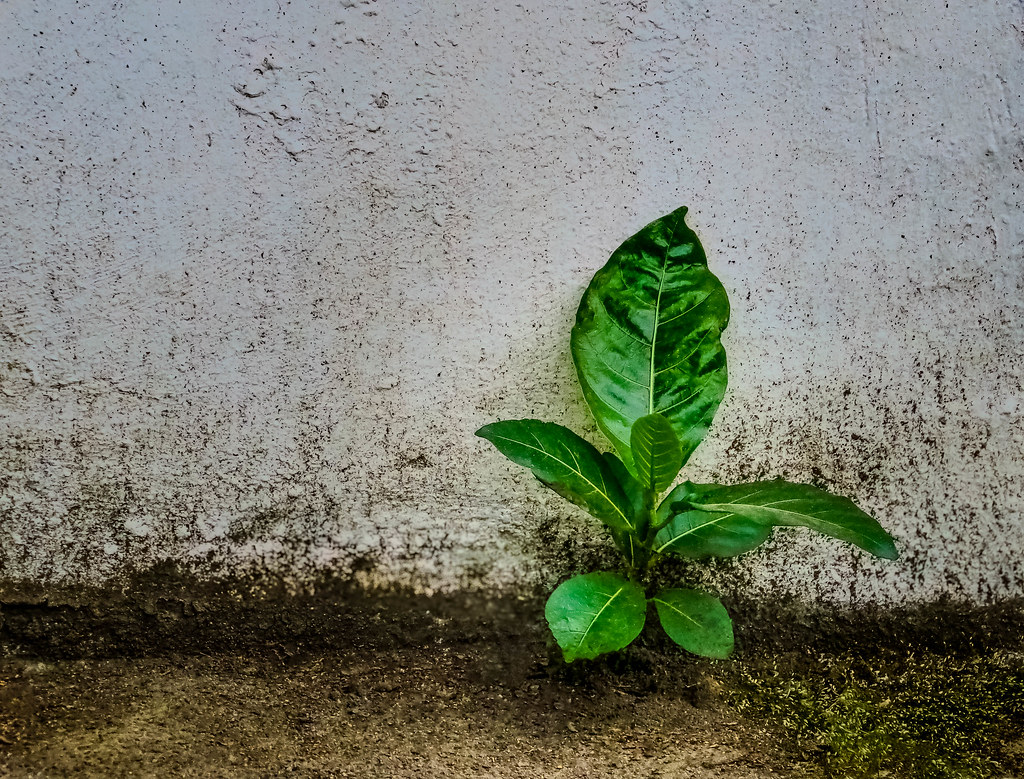
resilient dirt has become a focal point for scientists attempting to understand its incredible survival capabilities. Despite various attempts to eliminate it, this soil continues to thrive, revealing secrets about its strength and adaptability.
Understanding Soil Resilience
Soil resilience is a crucial aspect of ecological sustainability, reflecting the ability of soil to recover from disturbances. Researchers have discovered that certain types of resilient dirt can withstand extreme conditions, including drought and pollution, thanks to their unique biological and chemical properties.
Key factors contributing to soil resilience include:
- Microbial Diversity: A rich community of microorganisms helps decompose organic matter and enhance nutrient cycling.
- Soil Structure: Well-aggregated soils improve aeration and water retention, making them more resilient to environmental stress.
- Organic Matter: Higher levels of organic content contribute to soil fertility and stability.
Understanding these components not only helps in managing agricultural practices but also in restoring degraded lands. As scientists continue to study resilient dirt, they uncover the intricate relationships that sustain ecosystems and the vital role of healthy soils in combating climate change.
The Science Behind Dirt Survival
Researchers have long been fascinated by the concept of resilient dirt, which showcases the remarkable ability of soil to withstand adverse conditions. Recent studies reveal that soil can survive extreme weather events, such as droughts and floods, far better than previously believed. This resilience stems from a complex interplay of biological, chemical, and physical factors that enable soil to maintain its structure and function.
Key findings include:
- Microbial Diversity: A rich variety of microorganisms contributes to nutrient cycling, enhancing the soil’s ability to recover from disturbances.
- Soil Composition: The presence of organic matter and minerals helps retain moisture and supports plant growth, even in harsh conditions.
- Root Systems: Deep-rooted plants contribute to soil stability and aeration, which are vital for sustaining life.
These insights underline the importance of preserving healthy soils, as they play a crucial role in ecological balance and agricultural productivity.
Impact of Climate on Soil
The impact of climate on soil is profound, influencing its composition, health, and resilience. As temperatures rise and weather patterns become more erratic, the ability of soil to retain nutrients and support plant life is severely tested. Climate change can lead to increased erosion, reduced moisture retention, and altered microbial communities within the soil. These factors collectively challenge the concept of resilient dirt, pushing scientists to explore how various climates affect soil survival.
Research indicates that healthy soils can adapt to some degree of climate stress, but extreme conditions can overwhelm their natural defenses. In areas where droughts are common, for instance, soil tends to become less fertile, diminishing its productivity. Conversely, regions with excessive rainfall may experience waterlogging, which can suffocate roots and decrease biodiversity. Understanding these dynamics is crucial for developing strategies to enhance soil resilience in the face of a changing climate.
Continued study in this field will be essential as we look to preserve the vital ecosystem services that resilient dirt provides.
Innovative Research Techniques
Recent studies have employed innovative research techniques to explore the remarkable properties of resilient dirt. Researchers have turned to advanced methods to simulate extreme environmental conditions, aiming to understand how soil can withstand harsh climates and other stressors.
One approach involves controlled laboratory experiments where scientists expose soil samples to varying levels of heat, drought, and flooding. This allows them to observe the survival mechanisms of resilient dirt in real-time.
Another technique utilizes field studies that monitor soil health across diverse ecosystems. By analyzing how different soil types respond to climate changes, researchers can identify the innate qualities that contribute to soil resilience.
Additionally, genomic analysis is being applied to uncover the microbial communities within resilient dirt, revealing how these microorganisms play a crucial role in maintaining soil vitality and fertility under duress.
These innovative methods are paving the way for a deeper understanding of soil resilience and its vital role in our ecosystem.
Future of Soil Conservation
The future of soil conservation relies heavily on our understanding of resilient dirt and its vital role in sustainable agriculture. As scientists continue to investigate various methods of protecting and enhancing soil health, several key strategies are emerging:
- Implementing regenerative farming practices: Techniques such as crop rotation, cover cropping, and reduced tillage can significantly improve soil structure and nutrient cycling.
- Enhancing biodiversity: Promoting diverse plant and animal life within agricultural ecosystems can foster a more resilient dirt environment, improving resistance to pests and diseases.
- Utilizing technology: Advanced tools such as soil sensors and data analytics can help farmers make informed decisions that support soil conservation efforts.
- Community engagement: Educating local communities about the importance of soil health can lead to grassroots movements focused on conservation and sustainable land use.
By adopting these strategies, we can ensure the survival of our resilient dirt for generations to come.
Lessons from Nature
In the quest to understand resilient dirt, researchers have turned to nature for invaluable lessons. Ecosystems exhibit remarkable adaptability, showcasing survival strategies that can inform soil conservation efforts. Observations of resilient habitats reveal that diverse microbial communities play a crucial role in maintaining soil health. These microorganisms not only aid in nutrient cycling but also enhance the dirt’s ability to withstand environmental stressors.
Additionally, plants in resilient ecosystems develop deep root systems that stabilize the soil and prevent erosion. This natural architecture supports a dynamic relationship between flora and fauna, further contributing to the dirt’s resilience. Furthermore, the use of cover crops and organic matter is a practice inspired by nature that improves soil structure and fertility.
By studying these natural systems, scientists are uncovering techniques to bolster the resilience of dirt, ensuring its survival amidst the challenges posed by climate change and human activity.
By FotoGrazio via Openverse