
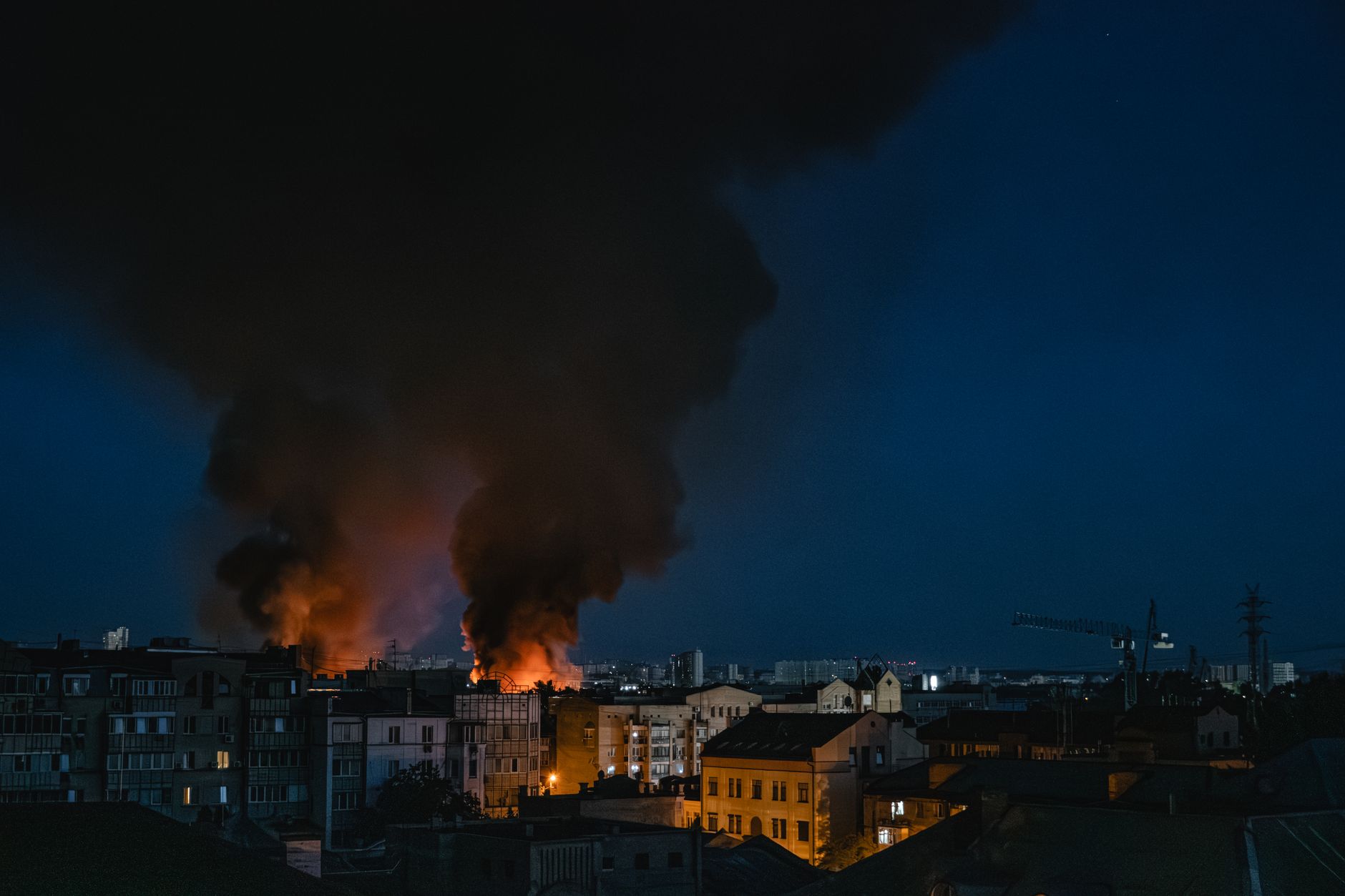
Russia hits Kyiv in a devastating attack, resulting in three fatalities following a pause for the visit of US envoys.
Overview of the Attack
In a shocking escalation of violence, Russia hits Kyiv with a series of missile strikes that have left the Ukrainian capital reeling. This attack, which occurred shortly after a high-profile visit from U.S. envoys, is being described as one of the worst since the conflict reignited earlier this year. Authorities confirmed that at least three civilians lost their lives, and multiple others sustained injuries as residential areas were targeted.
The strikes came after a brief lull in hostilities, raising concerns about the timing and the strategic implications of the attack. Local officials reported widespread damage, with several buildings destroyed and critical infrastructure severely impacted. Emergency services rushed to the scene to assist victims and assess the destruction.
Eyewitness accounts described scenes of chaos and panic as sirens wailed and residents sought shelter. The psychological toll on the community is profound, as many are left to grapple with the aftermath of this sudden violence.
International leaders have condemned the attack, urging for a renewed focus on diplomatic efforts to resolve the ongoing conflict. The situation remains tense, with fears that further escalations could follow, given the recent pattern of strikes by Russian forces.
- Three civilians confirmed dead
- Multiple injuries reported
- Significant damage to residential areas
Impact on Kyiv Residents
The recent escalation in violence as Russia hits Kyiv has left the city’s residents in a state of shock and fear. The attack, which occurred shortly after a visit from US envoys, has reverberated through the community, raising concerns about safety and security in the capital.
Local authorities reported that three individuals lost their lives as a result of the strikes, with many more suffering injuries. Emergency services have been working tirelessly to assist those affected and to clear debris from the streets. The psychological impact on residents has been profound, with many expressing feelings of anxiety and helplessness in the face of ongoing threats.
In the aftermath of the attack, several residents shared their experiences:
- Anna, a teacher: “We thought we were safe. The noise was deafening, and I couldn’t believe it was happening again.”
- Viktor, a shop owner: “Business has been tough, but this is a new level of fear. I worry about my family and our future.”
- Olena, a mother: “My children are terrified. I try to comfort them, but how do you explain this kind of violence?”
As the conflict continues, the resilience of Kyiv’s residents is being tested, with many calling for peace and stability in the face of such adversity.
Response from US Officials
The recent escalation in hostilities, as Russia hits Kyiv, has drawn significant responses from US officials. Following the attack, which resulted in the tragic loss of three lives, key political figures have expressed their outrage and condemnation.
Secretary of State Antony Blinken stated, “This brutal assault on civilians is unacceptable and must be met with a unified response from the international community.” He emphasized the importance of supporting Ukraine during this challenging time and reaffirmed America’s commitment to its security.
In a statement released shortly after the attack, National Security Advisor Jake Sullivan noted, “The United States stands firmly with Ukraine and will continue to provide the necessary military assistance to help defend against these aggressions.”
Additionally, US Ambassador to Ukraine Bridget Brink called the attack a “cowardly act” and urged allies to intensify their support for Ukraine. She mentioned that the attack will not deter Ukraine’s resolve in defending its sovereignty.
- The US plans to coordinate with NATO allies to enhance military support for Ukraine.
- Officials are assessing the need for further sanctions against Russia in response to the recent violence.
- Discussions are ongoing regarding humanitarian assistance for those affected in Kyiv.
As the situation unfolds, US officials continue to monitor developments closely and prepare for a range of diplomatic and military responses.
History of Tensions Between Russia and Ukraine
The ongoing conflict between Russia and Ukraine has a long and turbulent history, characterized by a series of aggressive actions and diplomatic failures. The tensions escalated significantly in 2014 when Russia annexed Crimea, a move that was met with international condemnation and led to sanctions against Moscow.
Since then, the situation in Eastern Ukraine has remained volatile, with numerous ceasefires attempted but ultimately failed. The conflict has resulted in thousands of deaths and widespread displacement, creating a humanitarian crisis that continues to affect millions. In recent years, Russia’s military presence near the Ukrainian border has raised alarms, leading to fears of further escalation.
The recent attack on Kyiv marks a troubling escalation in this ongoing conflict. Following a brief pause in strikes, Russia hits Kyiv again, underscoring the precarious security situation in the region. Analysts suggest that this could be a signal of Russia’s intent to exert pressure on Ukraine, especially following diplomatic engagements with U.S. officials.
In response to these developments, Ukraine has sought increased support from its Western allies, emphasizing the need for a united front against Russian aggression. The international community continues to monitor the situation closely, with calls for renewed dialogue and efforts to de-escalate tensions between the two nations.
Future Implications for International Relations
The recent escalation in hostilities, marked by the Russia hits Kyiv attack, raises significant concerns regarding the future of international relations in the region. As global powers assess the implications of this incident, several key factors are likely to influence diplomatic dynamics moving forward.
- Increased Tensions: The attack has exacerbated existing tensions between Russia and Western nations, complicating efforts for peaceful resolution. With the involvement of US envoys in Kyiv just days prior, this incident underscores the fragility of diplomatic engagements.
- Shifts in Alliances: Countries in the region are reevaluating their positions in light of the attack. Nations that have previously maintained neutrality may feel pressured to align with stronger military alliances, potentially reshaping the geopolitical landscape.
- Economic Sanctions: In response to continued aggression, Western nations may impose further economic sanctions on Russia, which could lead to severe repercussions for the global economy and increase anti-Western sentiments within Russia.
- Humanitarian Crisis: The ongoing conflict is likely to exacerbate the humanitarian crisis in Ukraine, prompting international organizations to bolster aid efforts, further entangling foreign involvement in the region.
As the world watches the fallout from this attack, the ramifications for international relations are profound, with potential long-term effects on peace and stability in Eastern Europe.
In a shocking escalation of hostilities, Russia hits Kyiv with a barrage of missiles, marking the worst attack after US envoys’ visit. The timing of this offensive raises concerns about the ongoing diplomatic efforts in the region, as Russia hits Kyiv just days after high-level talks.
Photo by Алесь Усцінаў on Pexels