
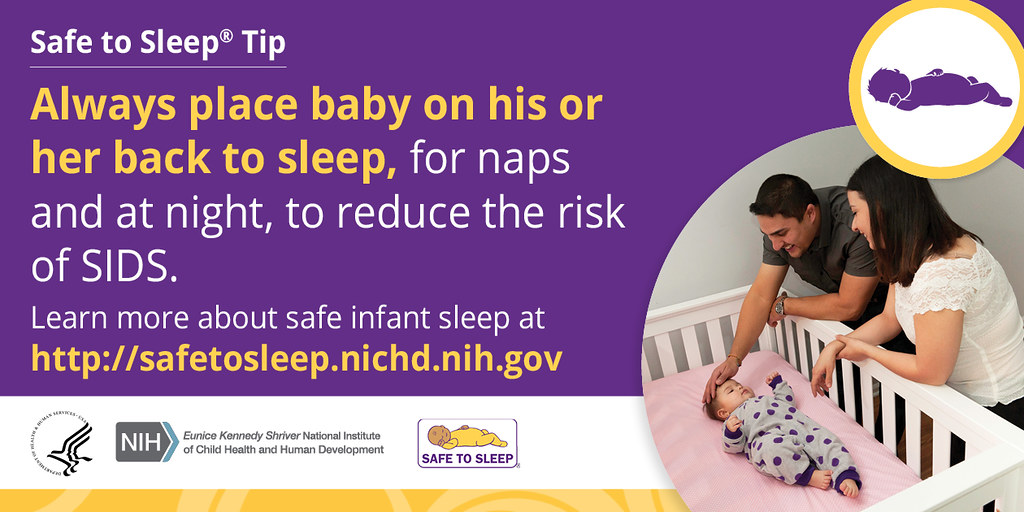
Sleep health tips are crucial for maintaining well-being, especially this school year. With the right strategies, students can improve their sleep quality and academic performance.
Why Sleep Health Matters for Students
Sleep health is crucial for students as it directly impacts their academic performance, emotional well-being, and overall health. During the school year, students often face various challenges that can disrupt their sleep patterns, such as late-night study sessions, social activities, and early morning classes.
Maintaining good sleep health is essential for several reasons:
- Cognitive Function: Adequate sleep enhances memory, focus, and problem-solving skills, enabling students to perform better in their studies.
- Emotional Regulation: Quality sleep helps manage stress and anxiety, which are common among students. A well-rested mind is more resilient to daily challenges.
- Physical Health: Sleep supports the immune system and promotes growth and development, crucial for adolescents and young adults.
- Social Interactions: Good sleep health improves mood and interpersonal relationships, making it easier for students to connect with peers and engage in social activities.
To improve sleep health, students can adopt simple strategies like establishing a consistent sleep schedule, creating a restful environment, and limiting screen time before bed. Prioritizing sleep can lead to better academic performance and a healthier lifestyle.
Top Sleep Health Tips for Better Rest
Getting a good night’s sleep is essential for maintaining overall health and well-being, especially for students facing academic pressures. Here are some top sleep health tips to help improve your rest:
- Establish a Routine: Go to bed and wake up at the same time every day, even on weekends, to regulate your body’s internal clock.
- Create a Relaxing Environment: Make your bedroom conducive to sleep by keeping it dark, cool, and quiet.
- Limit Screen Time: Avoid screens at least an hour before bedtime, as the blue light emitted by devices can disrupt melatonin production.
- Watch Your Diet: Limit caffeine and heavy meals close to bedtime to prevent disturbances in sleep.
- Incorporate Relaxation Techniques: Practice deep breathing, meditation, or gentle yoga to unwind before sleep.
- Stay Active: Regular physical activity can help you fall asleep faster and enjoy deeper sleep, but try to avoid vigorous exercise close to bedtime.
By implementing these sleep health tips, students can enhance their sleep quality, leading to better focus and academic performance.
The Impact of Sleep on Academic Performance
Sleep plays a crucial role in academic performance, as it significantly affects cognitive functions such as memory, attention, and problem-solving skills. Students who prioritize quality sleep are more likely to excel in their studies and retain information effectively. Research indicates that sleep deprivation can lead to diminished concentration, increased stress, and lower grades.
Several factors can influence sleep quality, including study habits, technology use, and lifestyle choices. To enhance sleep health, students should consider implementing the following strategies:
- Establish a Consistent Sleep Schedule: Going to bed and waking up at the same time each day helps regulate the body’s internal clock.
- Create a Relaxing Bedtime Routine: Engaging in calming activities, such as reading or practicing meditation, can signal to the body that it is time to wind down.
- Limit Screen Time Before Bed: Reducing exposure to screens at least an hour before sleep can improve the quality of rest.
- Optimize the Sleep Environment: A dark, quiet, and cool room can promote better sleep health and overall well-being.
By following these tips, students can enhance their academic performance through improved sleep health.
Creating a Sleep-Friendly Environment
Creating a sleep-friendly environment is essential for achieving optimal rest and improving sleep health. A few simple adjustments can make a significant difference in your ability to fall and stay asleep.
- Keep your bedroom dark: Light can interfere with your body’s natural sleep-wake cycle. Use blackout curtains or eye masks to block out any unwanted light.
- Maintain a comfortable temperature: The ideal room temperature for sleep is typically between 60 to 67 degrees Fahrenheit. Adjust your thermostat or use fans to create a comfortable atmosphere.
- Minimize noise: Sounds can disrupt your sleep quality. Consider using earplugs or a white noise machine to drown out disturbing noises.
- Choose the right bedding: Invest in a quality mattress and pillows that provide adequate support. Comfortable bedding can significantly enhance your sleep experience.
- Establish a calming bedtime routine: Engage in relaxing activities before sleep, such as reading or practicing mindfulness. This signals your body that it’s time to wind down.
By implementing these sleep health tips, you can create a tranquil environment that promotes better rest and enhances overall well-being.
Healthy Habits to Enhance Sleep Quality
Establishing healthy habits can significantly enhance sleep quality, promoting overall well-being and academic success. Here are some effective strategies to incorporate into your routine:
- Consistent Sleep Schedule: Go to bed and wake up at the same time every day, even on weekends. This consistency helps regulate your body’s internal clock.
- Avoid Stimulants: Limit caffeine and nicotine intake, especially in the afternoon and evening, as they can interfere with your ability to fall asleep.
- Wind Down Before Bed: Create a relaxing pre-sleep routine, such as reading or practicing deep breathing exercises, to signal to your body that it’s time to rest.
- Limit Screen Time: Reduce exposure to screens at least an hour before bedtime. The blue light emitted can disrupt your natural sleep cycle.
- Stay Active: Regular physical activity can promote better sleep, but try to finish exercising a few hours before bedtime to avoid feeling too energized.
By adopting these sleep health tips, students can improve their sleep quality, leading to better focus and performance in their academic endeavors.
Incorporating these sleep health tips into your nightly routine can significantly enhance your overall well-being. Remember, consistency is key when applying these sleep health tips for a more restful night.
By National Institutes of Health (NIH) via Openverse
Sources
Related reading
- Indian diplomat reaction: Clear response to Pakistan’s claim
- 2026 F1 Azerbaijan Grand Prix: The Best Racing Event Experience
- Atsumi Harasawa Resignation: A Clear Shift in K Line’s Leadership