
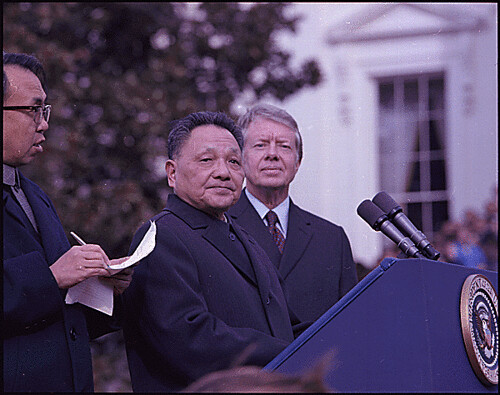
White House press access has been reinstated following a judge’s order, ending the ban on CNN, MS NOW, and Politico. This decision marks a significant shift in media relations with the administration.
Background on the press ban
The recent decision to restore White House press access has sparked discussions about transparency and fairness in governmental communication. This restoration comes after a significant legal battle concerning the exclusion of several media outlets, including CNN, MS NOW, and Politico, from White House briefings. The judge’s ruling emphasized the importance of a free press in a democratic society, stating that excluding certain outlets undermines the principle of equal access to information.
For months, these outlets faced restrictions that limited their ability to report on key issues affecting the nation. The press ban raised concerns among journalists and media organizations about the implications for press freedom and the ability to hold public officials accountable. Critics argued that the ban reflected a broader trend of diminishing press access and transparency at the federal level.
With the recent court ruling, journalists from the affected outlets have regained the ability to ask questions and cover events at the White House, reinforcing the essential role of the press in democracy. The decision has been welcomed by media advocates who argue that a diverse and inclusive press pool is crucial for informing the public and fostering a healthy discourse. Moving forward, it remains to be seen how this restoration of White House press access will shape the dynamics between media organizations and the administration.
Judge’s ruling explained
A recent ruling by a federal judge has significant implications for White House press access, restoring the rights of major media outlets previously banned from attending press briefings. The judge’s decision came after a thorough examination of the circumstances surrounding the press ban, which was deemed unconstitutional. Emphasizing the need for transparency and accountability in government, the ruling highlighted the importance of allowing a diverse range of voices in the press pool.
Key points from the judge’s ruling include:
- First Amendment Rights: The judge underscored that the First Amendment protects the right of the press to cover government activities, asserting that the ban unjustly limited this fundamental right.
- Fairness in Coverage: The ruling pointed out that a well-informed public relies on varied news sources, and restricting access undermines the integrity of news reporting.
- Impact on Public Discourse: The judge noted that limitations on press access can distort public discourse, inhibiting the ability of citizens to engage with and understand their government’s actions.
With the reinstatement of press access for outlets like CNN, MS NOW, and Politico, the ruling reinforces the belief that an open and fair press is essential for democracy. This decision marks a critical step towards ensuring that the public remains informed about the actions and decisions made within the White House.
Reactions from news organizations
Reactions from news organizations have been overwhelmingly positive following the restoration of White House press access. The recent ruling by a federal judge marked a significant victory for journalistic integrity and transparency, and media outlets are eager to resume their coverage of presidential activities.
Many news organizations expressed relief and satisfaction, highlighting the importance of diverse perspectives in reporting. CNN emphasized their commitment to providing fair and accurate news, stating, “Access to the White House is essential for us to fulfill our role as watchdogs.” Similarly, MS NOW released a statement, affirming that restored access allows them to better inform the public about critical issues affecting the nation.
In a joint statement, Politico and several other outlets underscored the necessity of press freedom, emphasizing that “the ability to ask questions in real time is vital for democracy.” This sentiment has been echoed across the media landscape, as organizations recognize that an engaged press leads to a more informed citizenry.
Furthermore, many journalists expressed gratitude for the ruling, which they believe will enhance accountability within the administration. “The public deserves to hear from their leaders directly, and we are committed to ensuring that happens,” remarked one veteran reporter. As the dust settles, the restoration of White House press access remains a pivotal moment for the media community.
Impact on White House communications
The recent restoration of White House press access marks a significant shift in the administration’s approach to media relations. With the White House press access now reinstated for organizations like CNN, MS NOW, and Politico, the implications for White House communications are profound.
Firstly, this move is likely to foster a more transparent dialogue between the administration and the public. By allowing a diverse range of media outlets back into the fold, the White House can ensure that various viewpoints are represented in its messaging.
Secondly, the reinstatement of press access underscores the administration’s commitment to fairness and accountability. This decision is expected to:
- Enhance credibility: Restoring access allows for a more comprehensive and accurate portrayal of the administration’s policies and actions.
- Encourage critical questioning: A diverse press corps can challenge the narrative, prompting more robust discussions on key issues.
- Foster public trust: Greater media access can help demystify government operations and build trust between the administration and citizens.
As reporters resume their roles in the briefing room, the administration faces renewed scrutiny, which may influence its communication strategies moving forward. Overall, the reestablishment of press access could pave the way for a more engaged and informed public, benefiting democracy as a whole.
Future of press access policies
The recent ruling has sparked a renewed conversation about the future of press access policies in the White House. With the reinstatement of CNN, MS NOW, and Politico, many are hopeful that this marks a turning point towards greater transparency and accountability in government communications.
Experts suggest that the restoration of press access is crucial for democratic health. Several key factors will influence how these policies evolve moving forward:
- Increased Scrutiny: The media’s role in holding government officials accountable is paramount. Continued access will allow journalists to ask tough questions and report on matters of public interest.
- Fair Representation: Ensuring that a diverse range of media outlets are included in press briefings will enhance the quality of information disseminated to the public. This could lead to a more informed electorate.
- Policy Revisions: The White House may need to revisit its policies governing press access to address concerns about bias and fairness. Clear guidelines could prevent future bans based on perceived unfairness.
- Adaptation to New Media: As social media platforms continue to evolve, the administration may need to consider how digital journalism fits into traditional press access policies.
Ultimately, the ongoing dialogue around White House press access will play a critical role in shaping the relationship between the government and the media.
Comparisons to past administrations
The recent restoration of White House press access has drawn comparisons to how previous administrations managed media relations. Historically, access to the White House has varied significantly between different presidential terms.
Past Administrations:
- Obama Administration: The Obama era was often marked by a relatively open press policy. Many outlets, including CNN and Politico, enjoyed regular access and were able to cover events extensively, fostering a sense of transparency.
- Trump Administration: In contrast, the Trump administration saw a more adversarial relationship with the press. Certain outlets faced restrictions, leading to accusations of favoritism and prompting legal challenges regarding press access.
- Bush Administration: The Bush years also featured a mix of openness and restrictions. Some journalists reported feeling sidelined, particularly during significant events, which raised questions about the fairness of press access.
The current administration’s decision to restore White House press access, particularly for organizations like CNN and Politico, signals a shift towards a more inclusive approach. Critics argue that this renewed access is essential for maintaining a healthy democracy, emphasizing that a free press serves as a check on power. As the landscape of press access continues to evolve, the implications for journalistic integrity and public information remain paramount.
What this means for journalists
The recent restoration of White House press access is a significant moment for journalists across the nation. With the ruling favoring media organizations, reporters are now able to engage directly with administration officials, fostering transparency and accountability in government communications.
This change means that journalists from outlets previously banned, such as CNN, MS NOW, and Politico, will have the opportunity to report on critical issues from the White House press room. The ruling emphasizes the importance of fairness and inclusivity in press access, ensuring that diverse voices and perspectives are represented in national discourse.
For journalists, this restoration is not just about physical access to the White House; it symbolizes a commitment to the principles of a free press. This environment enables reporters to ask tough questions, seek clarifications, and hold the administration accountable for its policies and decisions.
Moreover, this ruling could set a precedent for future press access policies, encouraging a culture of openness. As journalists adjust to the renewed access, they are likely to explore innovative ways to cover the White House, leveraging their unique positions to provide in-depth analysis and reporting.
In conclusion, the restoration of White House press access marks a pivotal moment for the media landscape, reaffirming the vital role of journalism in a democratic society.
The recent decision to restore White House press access has been met with widespread approval from journalists across the nation. Many believe that this move will enhance transparency and ensure that White House press access is maintained with proven fairness moving forward.
By pingnews.com via Openverse