
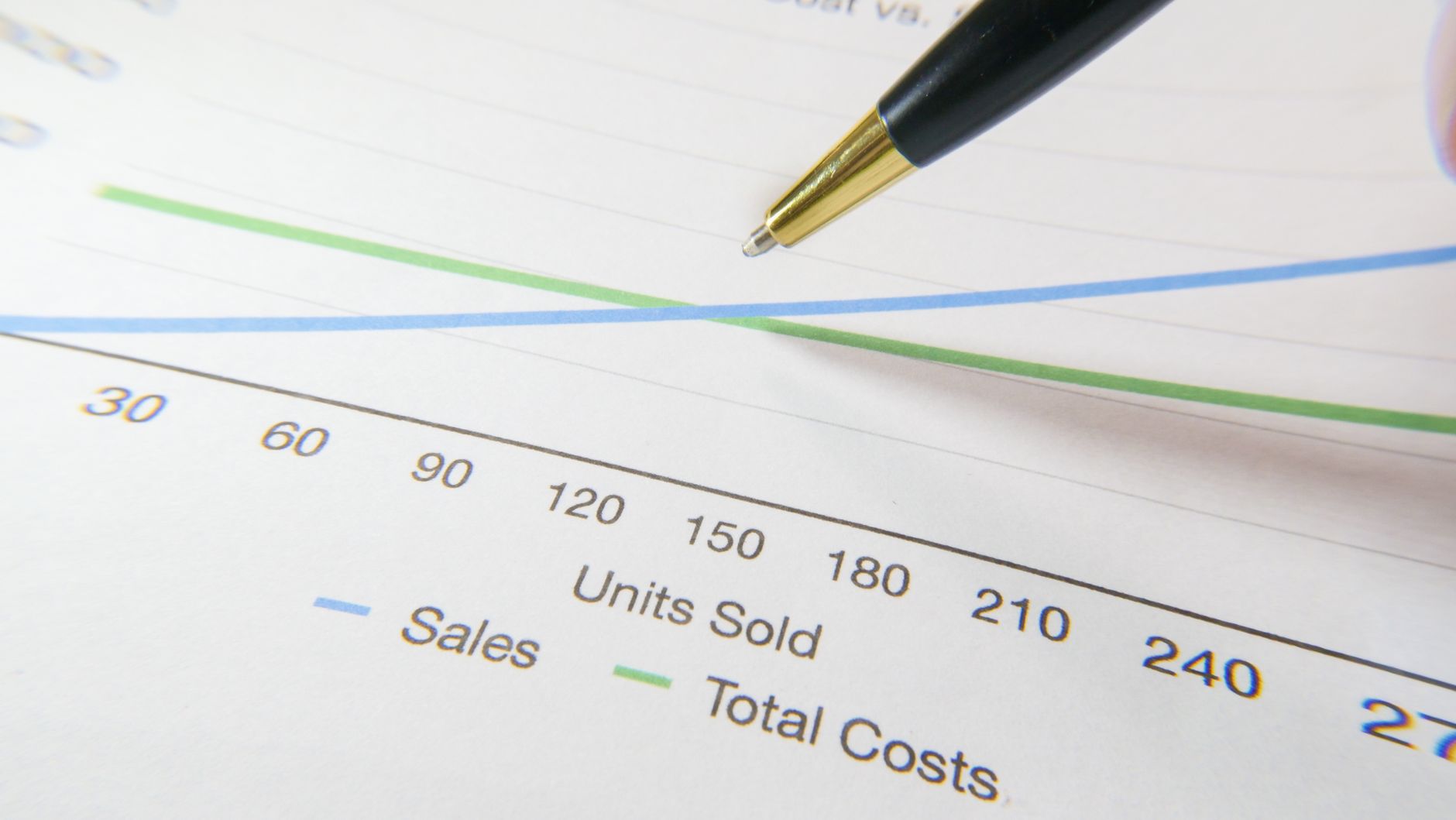
Rising costs are a pressing issue as lawmakers press Treasury Secretary on the economic challenges facing the nation. This discussion highlights the urgency of addressing these financial burdens.
Understanding Rising Costs
The issue of rising costs has become a central concern for both lawmakers and citizens alike. As inflation continues to affect various sectors of the economy, the pressure on households and businesses is palpable. Recent discussions have highlighted several key factors contributing to these economic pressures.
- Supply Chain Disruptions: Ongoing disruptions have led to shortages in essential goods, increasing prices for consumers.
- Labor Market Challenges: A tight labor market has resulted in higher wages, which in turn has led to increased costs for employers, often passed down to consumers.
- Energy Prices: Fluctuations in energy prices have a direct impact on transportation and production costs, affecting the overall pricing of goods.
- Government Policies: Legislative measures aimed at stimulating the economy can sometimes inadvertently lead to inflationary pressures.
In a recent hearing, lawmakers pressed the Treasury Secretary for insights on how these factors are being addressed. Understanding the root causes of rising costs is crucial for developing effective policies that can alleviate economic strain on American families and businesses.
Impact of Inflation on Households
The impact of inflation on households has become increasingly pronounced as rising costs affect daily living. Families across the nation are feeling the pinch in various aspects of their budgets, leading to a shift in spending habits.
Key areas where households are experiencing significant inflationary pressures include:
- Groceries: Many families are noticing higher prices at the checkout, making it difficult to maintain previous purchasing habits.
- Housing: Rising costs in both rent and homeownership mean that many are struggling to find affordable living options.
- Utilities: Increased energy prices have added an extra burden, impacting monthly expenses.
- Transportation: Fuel prices have surged, making commuting more expensive for many workers.
These rising costs are not just numbers; they represent a real challenge for households trying to balance their finances. As families adapt to these economic pressures, many are being forced to rethink their budgets and future financial plans. The ongoing dialogue among lawmakers and economic experts underscores the importance of addressing these challenges to ease the burden on everyday Americans.
Lawmakers’ Concerns About Economic Policy
As the nation grapples with rising costs, lawmakers are increasingly vocal about their concerns regarding economic policy. During a recent hearing, congressional representatives questioned Treasury Secretary Janet Yellen on the measures being taken to address inflation and its impact on consumers.
Many lawmakers highlighted the strain that rising costs place on everyday Americans, particularly those in lower-income brackets. They expressed worries that without targeted interventions, the economic pressures could exacerbate existing inequalities.
Several key points emerged during the discussions:
- Inflation Tracking: Lawmakers emphasized the importance of closely monitoring inflation rates and their effects on essential goods and services.
- Support for Vulnerable Populations: There were calls for additional support programs aimed at helping families who are struggling to cope with escalating prices.
- Long-term Solutions: Some representatives urged for comprehensive economic policies that not only address immediate concerns but also lay the groundwork for sustainable growth.
The dialogue reflects a growing urgency among lawmakers to find solutions that will alleviate the burden of rising costs while fostering a stable economic environment for all citizens.
Treasury Secretary’s Response to Pressures
Treasury Secretary Janet Yellen addressed lawmakers’ concerns regarding the rising costs affecting American households during a recent congressional hearing. Lawmakers expressed frustration over persistent inflation and its impact on everyday expenses.
In her remarks, Yellen acknowledged the challenges families are facing, stating, “We are aware of the pressures that rising costs place on all Americans, and we are committed to taking steps to alleviate these burdens.” She pointed out several strategies the Treasury is considering to mitigate these economic pressures.
Yellen highlighted the following key measures:
- Supply Chain Improvements: Efforts to enhance supply chain logistics to reduce delays and costs.
- Energy Initiatives: Encouraging investments in renewable energy to stabilize energy prices.
- Support for Vulnerable Populations: Providing targeted assistance to low-income families hit hardest by inflation.
Despite these efforts, some lawmakers expressed skepticism, urging for more immediate action to combat the economic pressures contributing to rising costs. As discussions continue, many are hopeful that concrete solutions will emerge to help ease the burden on families nationwide.
Future Outlook on Economic Stability
As the nation grapples with rising costs, experts are weighing in on the potential future outlook for economic stability. Many analysts believe that the current inflationary pressures could persist, leading to ongoing challenges for consumers and businesses alike.
Several key factors are influencing this outlook:
- Supply Chain Disruptions: Ongoing global supply chain issues may continue to affect the availability of goods, ultimately keeping prices elevated.
- Labor Market Dynamics: A tight labor market coupled with rising wages could lead companies to pass on increased costs to consumers.
- Monetary Policy Adjustments: The Federal Reserve’s decisions on interest rates will play a critical role in shaping economic conditions, and any missteps could exacerbate inflation.
Despite these challenges, some economists suggest that a measured approach to fiscal and monetary policy could mitigate the worst effects of rising costs. Monitoring these economic indicators will be essential as households and policymakers navigate this complex landscape.
Ultimately, the path forward will depend on collaborative efforts to address both immediate and long-term economic pressures.
Photo by Kindel Media on Pexels
Sources
You might also like
Trump Ireland Reunification: A Clear Perspective · Bering Sea rescue: Teen boy saved after days at sea · RNC Midterm Convention: Trump’s Proven Closing Remarks in Dallas