
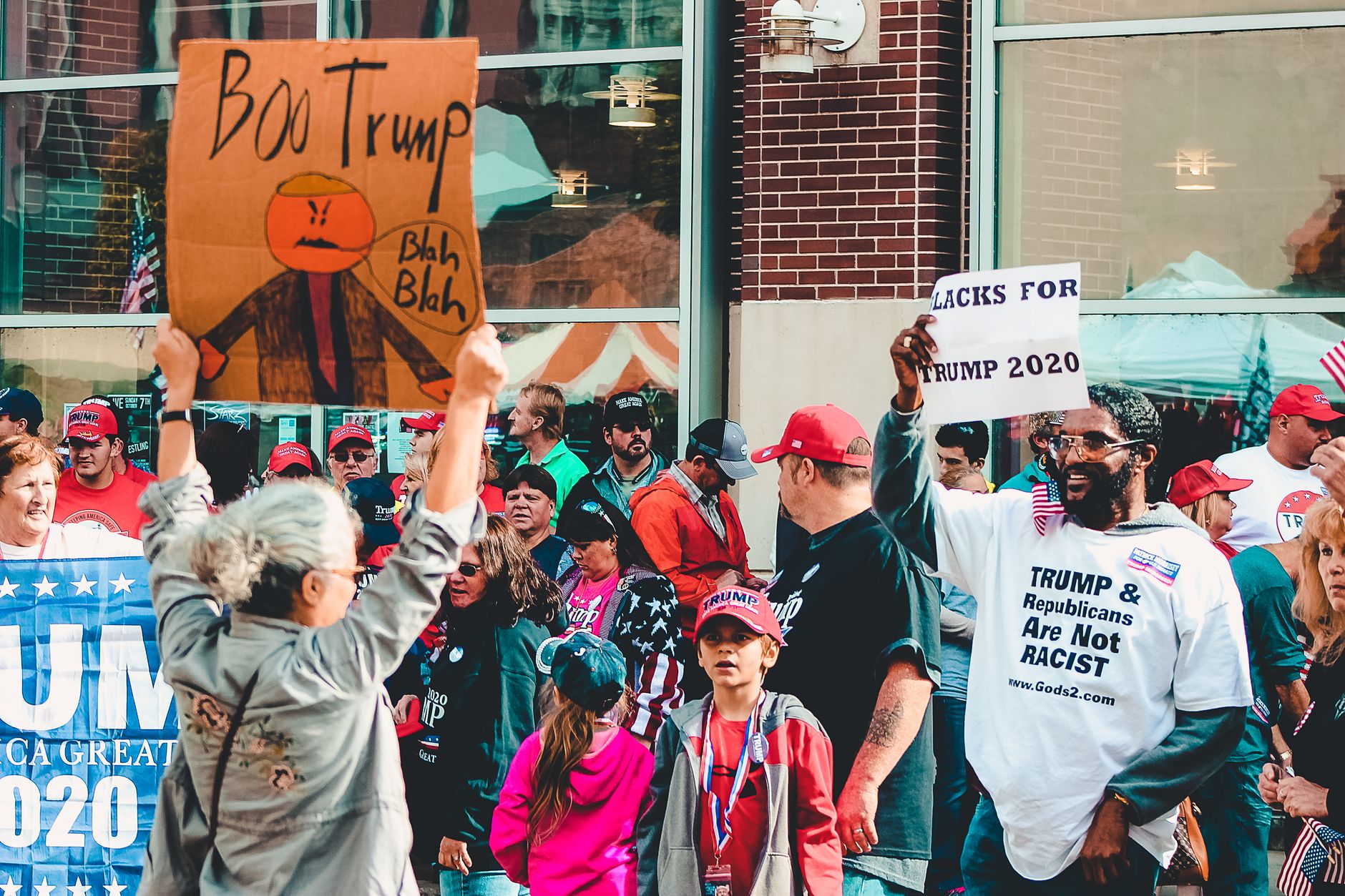
Trump Ireland reunification has sparked significant interest after his recent comments in Ireland. He described the idea of reunification as ‘fantastic’, prompting various reactions.
Trump’s Comments in Ireland
During his recent visit to Ireland, former President Donald Trump made headlines with his comments on the topic of reunification. He stated that the idea of Trump Ireland reunification would be “fantastic,” stirring discussions among political leaders and citizens alike.
Trump’s remarks came as he addressed a crowd in County Clare, where he emphasized the potential benefits of a united Ireland. His comments sparked a mix of reactions, reflecting the complex history and ongoing debates surrounding the issue. Many supporters expressed enthusiasm for the prospect of reunification, while critics raised concerns about the implications for stability in the region.
Key points from Trump’s speech included:
- Economic Opportunities: Trump highlighted the potential for increased trade and investment as a result of reunification.
- Cultural Ties: He acknowledged the shared heritage and connections between communities across the border.
- Political Implications: Some local politicians interpreted his comments as a provocative stance that could influence future discussions.
As the debate over Ireland’s future continues, Trump’s remarks will likely remain a focal point in discussions about reunification.
The Historical Context of Reunification
The concept of Ireland reunification has deep historical roots, stemming from centuries of political, cultural, and social divisions. The island was partitioned in 1921, creating Northern Ireland as part of the United Kingdom, while the rest became the Republic of Ireland. This division has led to significant conflict, particularly during the Troubles, a period marked by violent clashes between nationalists and unionists.
Over the years, various attempts at reconciliation have been made, including the Good Friday Agreement in 1998, which laid the groundwork for peace but left the question of reunification unresolved.
Recent discussions have reignited interest in the topic, especially as demographic shifts and changing political sentiments in Northern Ireland have led some to advocate for a closer examination of the reunification possibility. In this context, Trump’s comments during his visit to Ireland, where he described reunification as ‘fantastic,’ have sparked renewed debate.
Many see this as an opportunity to reflect on the future of Ireland, considering both the benefits and challenges that reunification could bring to the island’s complex socio-political landscape.
Reactions from Irish Leaders
Reactions from Irish leaders to Donald Trump’s comments on Ireland reunification have been mixed, reflecting the complex sentiments surrounding the topic. Some politicians welcomed his remarks, considering them a sign of evolving attitudes toward the longstanding issue of reunification.
In a statement, Mary Lou McDonald, leader of Sinn Féin, emphasized the importance of dialogue and expressed hope that Trump’s comments might open doors for greater discussions on the potential for unity between Northern Ireland and the Republic of Ireland. She stated, “Any conversation that brings attention to the possibility of reunification is valuable.”
On the other hand, Leo Varadkar, former Taoiseach, cautioned against oversimplifying the matter. He noted that while reunification could be seen as ‘fantastic’ by some, it is essential to consider the diverse perspectives of the people in Northern Ireland. Varadkar remarked, “Reunification is a sensitive topic, and any discussions must respect the voices of all communities.”
As the debate continues, it remains clear that Trump’s comments have reignited interest in the subject of Ireland reunification among both politicians and the public.
Public Opinion on Reunification
The topic of Trump Ireland reunification has sparked a diverse range of opinions among the Irish public. During his recent visit, Trump’s remarks about reunification being “fantastic” have resonated differently across various demographics.
Many supporters of reunification believe that Trump’s comments could bring greater attention to the issue, arguing that now is the time to address the longstanding division. They point to the potential benefits of a united Ireland, including economic growth and enhanced cultural ties.
Conversely, there are those who view Trump’s intervention as problematic. Critics argue that his simplistic take on a complex issue may overlook historical grievances and the delicate balance of peace established by the Good Friday Agreement. Concerns about reigniting sectarian tensions have emerged, highlighting the sensitivity surrounding the topic.
Surveys conducted after Trump’s visit reveal a split in public sentiment. Some polls indicate that a majority of younger voters are in favor of reunification, while older generations remain more cautious. As discussions continue, it seems that the conversation around Trump Ireland reunification will only intensify in the coming months.
Potential Benefits of Reunification
The potential benefits of a reunification of Ireland, especially in light of Trump’s comments during his recent visit, have sparked considerable discussion. Many believe that such a move could lead to a more unified political landscape, fostering greater collaboration between Northern Ireland and the Republic of Ireland.
Some of the key benefits include:
- Economic Growth: Reunification could open up new avenues for trade and investment, leading to enhanced economic stability across the island.
- Cultural Cohesion: A united Ireland may promote a stronger sense of shared identity among its citizens, helping to bridge historical divides.
- Improved Governance: By streamlining political processes, reunification could lead to more effective governance and policy-making.
- Enhanced International Relations: A unified Ireland could strengthen its position within the European Union and the global community, leading to increased diplomatic opportunities.
While challenges remain, the discussions surrounding Trump’s perspective on Ireland reunification signal a growing interest in exploring the possible advantages such a change could bring to the region.
Challenges Ahead for Ireland
While the notion of Trump Ireland reunification has sparked considerable interest, significant challenges remain for the prospect of a united Ireland. The complexities surrounding the issue are deeply rooted in history, politics, and social dynamics.
One of the primary challenges is the differing perspectives between communities in Northern Ireland. Many unionists, primarily identified with British identity, oppose reunification due to fears of losing their cultural and political ties to the UK. Conversely, nationalists advocate for a united Ireland, citing historical grievances and a desire for self-determination.
Additionally, the economic implications of reunification must be carefully considered. The potential financial burden on the Republic of Ireland, which already faces various economic challenges, raises concerns among policymakers. The need for a well-structured plan addressing these economic realities is crucial for gaining broader support.
Furthermore, the peace established by the Good Friday Agreement could be jeopardized by discussions of reunification. Many fear that the fragile balance achieved over the years may be disrupted, leading to renewed tensions and unrest.
Ultimately, any path toward reunification will require extensive dialogue, compromise, and a commitment to maintaining peace and stability in the region.
The discussion surrounding Trump Ireland reunification has sparked diverse opinions among political analysts. Many believe that Trump’s stance on Ireland reunification could significantly impact future negotiations.
Photo by Rosemary Ketchum on Pexels
References
Related stories
Bering Sea rescue: Teen boy saved after days at sea · RNC Midterm Convention: Trump’s Proven Closing Remarks in Dallas · George W. Bush’s Clear Warning About 9/11 Lessons